
Can a Person Develop Allergies to Cats Later in Life?
Cats are often regarded as popular household pets, but for a fraction of people, these furry creatures could pose some real health risks as they might develop allergies to cats later in life. While we usually think of cat allergies as something that one is born with, allergies to cats can develop at any age, including during adulthood. This article aims to explore whether it is true that people can develop allergies to cats later in life and provide some insights into mitigating allergies from cats.
The Science Behind Developing Allergies to Cats Later in Life
Allergies are the result of the immune system’s reaction to a harmless substance, such as cat dander or saliva, that it perceives as a threat. And, it’s still a mystery why the immune system would suddenly become intolerant to a substance that previously didn’t provoke an allergic reaction. Medical experts suggest that adult-onset allergies might be related to several factors such as genetics, environmental changes, and the developing immune system.
Some studies indicate that allergies to cats are more prevalent in adults than children, with about 10% of the population being allergic to cats. Research also shows that individuals who already suffer from allergies are more likely to develop cat allergies later in life.
Personal Anecdotes from People who Developed Allergies to Cats Later in Life
The impact of developing allergies to cats later in life can be detrimental, especially for those who have one or more cats as household pets. People who unexpectedly develop allergies to cats later in life may experience symptoms ranging from minor skin irritation to severe symptoms such as persistent cough, wheezing, or even asthma. These symptoms can make it challenging for people to manage their everyday lives, where interactions with cats may be unavoidable.
Panicking or feeling overwhelmed is usual when one realizes that they are allergic to a pet they love. Personal anecdotes from people show that it is necessary to take control of the situation and make the necessary changes to minimize the allergens from cats.
Certain adjustments like keeping the cat out of the bedroom, using an air purifier equipped with a HEPA filter, regular grooming and bathing the cat, and frequently cleaning bedding and carpets may help minimize the exposure to cat allergens.
Mitigating Allergens from Cats
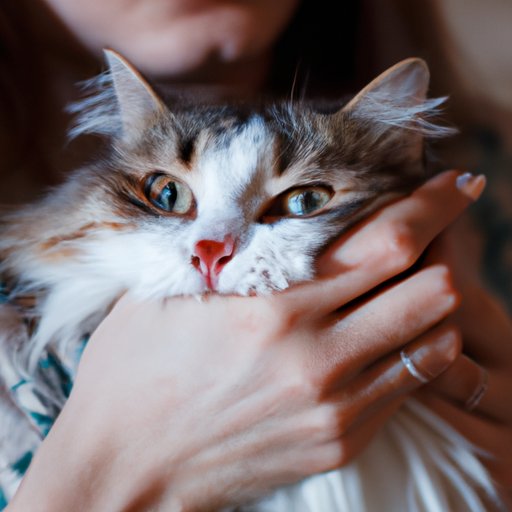
Gazing into a cat’s eyes or embracing a cat could be detrimental for people who are allergic to cats. Nonetheless, various medications and allergy treatments can help manage the symptoms that develop with exposure to cats. Over-the-counter medications like antihistamines, nasal sprays, and eye drops can help alleviate allergies’ milder symptoms.
Doctors may also suggest immunotherapy, also known as desensitization therapy, for individuals with more severe cat allergies. Immunotherapy involves exposing a person to gradually increased amounts of cat allergens, to decrease the body’s immune system’s reaction when exposed to cats.
If someone in the family is allergic to cats, the best strategy may be to reduce exposure to cat allergens. Maintaining good air quality in the home, as mentioned earlier, is a crucial step to mitigate allergens from cats.
Impact of Living with Cats on Young Children’s Allergies
Contrary to what many people believe, studies show that living with cats from an early age could be beneficial as it may decrease the development of allergies. Early exposure could also help infants develop more robust immune systems, which can combat unpleasant allergy symptoms. For parents who have a child with a cat allergy, there are several strategies they can adopt to help manage their child’s allergy symptoms.
First, parents should consider minimizing their child’s exposure to cats. Keep their bedrooms pet-free and designate play areas and other significant rooms as cat-free zones. Secondly, parents could teach their child to wash their hands with warm, soapy water after interacting with the cat to minimize the possibility of irritants entering their eyes.
Coping with the Emotional Toll of Giving Away a Pet Due to Allergies
If someone develops a cat allergy, but they have a deep attachment to their cat, it could be overwhelming to consider giving them away to a new home. Giving away pets due to allergies could be an emotionally challenging and heartbreaking experience.
Some things to bear in mind when giving away a pet due to allergies include being honest about your pet’s situation and how your allergies impact them. Reach out to reputable friends, acquaintances, and animal shelters to find a new home for your pet. It may be necessary to interview a prospective new owner to ensure a good fit for the pet.
Conclusion
In conclusion, developing allergies to cats later in life is possible and shouldn’t be undermined. Understanding the first signs of an allergic reaction and promptly seeing a doctor can help alleviate symptoms. If you’re a cat owner, it is essential to ensure that you keep a clean and well-maintained home to keep allergens from cats at bay. Similarly, parents with young children with cat allergies should make it their prerogative to mitigate their child’s exposure to irritants that trigger allergies. With commitment and support, it is possible to manage allergies from cats without entirely sacrificing the friendship between man and cat.
(Note: Is this article not meeting your expectations? Do you have knowledge or insights to share? Unlock new opportunities and expand your reach by joining our authors team. Click Registration to join us and share your expertise with our readers.)