
I. Introduction
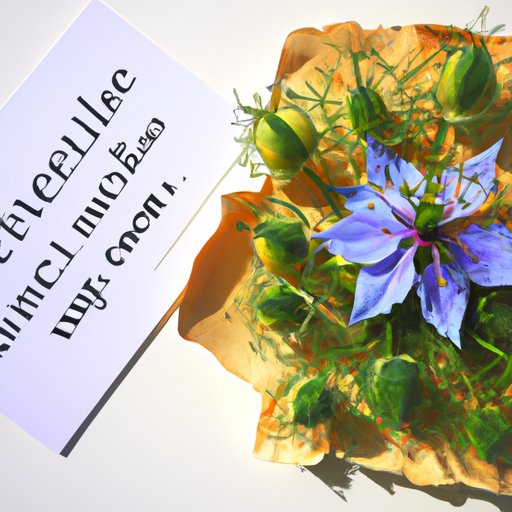
Nigella, also known as black cumin or black seed, is a spice that has been used for centuries in a variety of cultures for both culinary and medicinal purposes. However, it remains a mystery to many people who are not familiar with this spice. If you are one of those people, then this article is for you!
In this article, we will explore the many benefits of nigella, including its cultural significance, potential health benefits, dosage guidelines, flavor profile, and more. Not only that, but we will also provide you with some delicious recipe ideas to help you incorporate nigella into your daily diet. So, let’s dive in!
II. Recipe Ideas for Eating Nigella
Nigella is a versatile spice that can be used in a variety of dishes, from savory to sweet. Here are a few recipe ideas to get you started:
Bread:
Add nigella seeds to your bread dough for a more complex and nutty flavor. You can also sprinkle the seeds on top of the bread for a beautiful garnish.
Curries:
Add nigella seeds to your favorite curry recipe for added flavor. It pairs particularly well with lamb and lentil curries.
Salads:
Toss nigella seeds with greens and dressing for a simple salad that is full of flavor. It also pairs well with feta cheese.
Sweet dishes:
Add nigella seeds to your favorite sweet dishes, like oatmeal or baked goods, for a unique twist on traditional recipes.
No matter how you use it, nigella is sure to add a new dimension of flavor to your cooking!
III. Health Benefits of Consuming Nigella
Nigella is not only delicious but also nutritious. Here are a few ways that consuming nigella can benefit your health:
Nutritional Value:
Nigella is a good source of fiber, protein, and essential fatty acids. It also contains vitamins and minerals such as iron, calcium, and magnesium, which are important for overall health and well-being.
Heart Health:
Nigella has been shown to have a positive effect on heart health by reducing cholesterol levels and improving blood pressure. This could potentially lower the risk of heart disease.
Reducing Inflammation:
Nigella contains anti-inflammatory compounds that can help reduce inflammation throughout the body. This could potentially benefit conditions such as arthritis and asthma.
Boosting the Immune System:
Nigella has immune-boosting properties that can help support your body’s natural defense systems. This may help prevent illnesses and infections.
Healthy Snacks and Smoothies:
You can also incorporate nigella into your healthy snacks and smoothies. Try adding nigella seeds to your favorite nut butter or blending it into a smoothie with fruits and vegetables for a nutritious boost.
IV. Cultural Significance of Nigella
Nigella has played a significant role in many cultures throughout history. In Middle Eastern cuisine, nigella is often used in bread and spice blends. In Indian cuisine, nigella is used as a spice for curries and chutneys.
Nigella has also been used in traditional medicine and natural remedies. It was believed to have healing properties in ancient Greek and Egyptian cultures. Today, nigella is still used in some cultures as a natural remedy for digestive issues, skin conditions, and more.
V. Dosage and Administration Guidelines
While nigella is generally considered safe, it is important to follow dosage and administration guidelines to avoid potential side effects. Here are a few guidelines to keep in mind:
As a Spice:
You can use nigella as a spice in your cooking, just like any other spice. Start with small amounts and adjust the amount to your liking.
As a Supplement:
If you are taking nigella as a supplement, it is important to follow the recommended dosage guidelines. You can find nigella supplements in capsule form or as an oil.
Potential Side Effects:
In rare cases, nigella can cause an upset stomach, allergic reactions, or interfere with certain medications. If you experience any unwanted symptoms after consuming nigella, stop using it and consult your healthcare provider.
VI. Taste and Flavor of Nigella
Nigella has a unique taste and flavor that is often described as nutty, earthy, and slightly bitter. It pairs well with a variety of ingredients, including greens, meat, and cheese.
If you want to enhance the flavor of nigella in your dishes, consider toasting the seeds in a dry skillet over low heat before using them. This will help release their oils and intensify their flavor.
Here’s a recipe idea that showcases the unique taste of nigella:
Roasted Vegetables with Nigella:
Ingredients:
- 1 lb mixed vegetables (such as carrots, cauliflower, and Brussels sprouts)
- 1 tbsp olive oil
- 1 tsp nigella seeds
- Salt and pepper to taste
Instructions:
- Preheat oven to 400°F.
- Cut vegetables into bite-size pieces and toss with olive oil, nigella seeds, salt, and pepper.
- Spread vegetables out on a baking sheet and roast for 30-40 minutes, or until tender and slightly browned.
VII. Conclusion
Nigella is a versatile spice with a wide range of benefits, from culinary to medicinal. Whether you are looking to incorporate it into your cooking or use it as a supplement, it is important to follow dosage and administration guidelines to avoid potential side effects.
To get started, try out some of the recipe ideas provided in this article and explore the unique taste and flavor profile of nigella.
(Note: Is this article not meeting your expectations? Do you have knowledge or insights to share? Unlock new opportunities and expand your reach by joining our authors team. Click Registration to join us and share your expertise with our readers.)