
Introduction
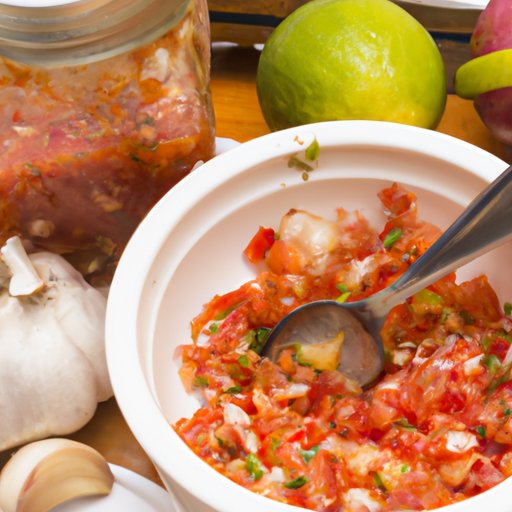
Homemade salsa is a delicious condiment that can be enjoyed with a variety of dishes. Made from fresh vegetables and spices, it is a healthier alternative to store-bought salsa. This article aims to provide a comprehensive guide to the nutritional value of homemade salsa and whether it is a healthy addition to your diet. We will cover the benefits of key ingredients, explore recipes, compare homemade salsa to store-bought alternatives, and provide tips on how to grow your own ingredients for homemade salsa.
The Health Benefits of Homemade Salsa: A Comprehensive Guide
Homemade salsa is a nutrient-dense food that provides a range of health benefits. Salsa is primarily made up of tomatoes, onions, cilantro, and peppers, which are low in calories and high in vitamins and minerals such as vitamin C, potassium, and fiber. Tomatoes, in particular, are rich in lycopene, a powerful antioxidant that has been linked to a reduced risk of heart disease and certain types of cancer.
Furthermore, the capsaicin found in peppers has been shown to alleviate pain, reduce inflammation, and boost metabolism. Combined with the antibacterial properties of garlic and the natural detoxification benefits of cilantro, homemade salsa can help to support both digestive health and immune function. Studies have also found that the consumption of salsa can help to promote weight loss and lower blood pressure.
3 Simple Homemade Salsa Recipes for Healthy Eating
Here are three simple homemade salsa recipes that are packed with nutritious ingredients. These recipes are easy to follow and perfect for anyone looking to add a healthy twist to their meals.
Classic Tomato Salsa
- 6 medium-sized tomatoes
- 1/2 red onion
- 1 jalapeno pepper
- 1/2 cup fresh cilantro
- 2 cloves of garlic
- 1 lime, juiced
- Salt to taste
Instructions:
- Dice the tomatoes and onion and add to a bowl.
- Finely chop the jalapeno pepper and cilantro and add to the bowl.
- Mince the garlic and add to the bowl.
- Add lime juice and salt to taste.
- Mix well and let sit for at least 10 minutes to allow the flavors to blend.
Spicy Mango Salsa
- 2 ripe mangos, diced
- 1 red bell pepper, diced
- 1/2 red onion, diced
- 1 jalapeno pepper, diced
- 1/4 cup fresh cilantro, chopped
- 1 lime, juiced
- Salt to taste
Instructions:
- Add all ingredients to a bowl and mix well.
- Let sit for at least 30 minutes for the flavors to blend.
Black Bean Salsa
- 1 can of black beans, drained and rinsed
- 1 medium-sized tomato, diced
- 1/2 red onion, diced
- 1 jalapeno pepper, diced
- 1/4 cup fresh cilantro, chopped
- 1 lime, juiced
- Salt to taste
Instructions:
- Add all ingredients to a bowl and mix well.
- Let sit for at least 10 minutes before serving.
The Surprising Health Risks of Store-Bought Salsa and Why Homemade Salsa is the Better Choice
While store-bought salsa may seem like a convenient option, it often contains added sugar, preservatives, and high levels of sodium. These unhealthy ingredients can counteract the potential health benefits of salsa and lead to negative health outcomes. Consuming too much sodium can increase the risk of high blood pressure, heart disease, and stroke. Furthermore, consuming a diet high in sugar has been linked to obesity, diabetes, and other chronic diseases.
Choosing to make homemade salsa is the better option as it allows for better control of the ingredients added to the recipe. Using fresh, whole ingredients that are naturally low in sodium and sugar ensures that the salsa is both flavorful and nutritious. If you must use store-bought salsa, be sure to read the label carefully to avoid those high in sodium or added sugar.
Healthy Salsa Alternatives: How to Make Delicious Dips with a Nutritious Twist
If you’re looking to add some variety to your salsa repertoire, here are three alternative salsa recipes that are both delicious and nutritious.
Avocado Salsa
- 2 ripe avocados
- 1/2 red onion, diced
- 1 jalapeno pepper, diced
- 1/4 cup fresh cilantro, chopped
- 1 lime, juiced
- Salt to taste
Instructions:
- Mash the avocados in a bowl with a fork.
- Add the remaining ingredients and mix well.
- Add salt to taste.
- Let sit for at least 10 minutes to allow the flavors to blend.
Mango Avocado Salsa
- 1 ripe mango, diced
- 1 ripe avocado, diced
- 1/2 red onion, diced
- 1 jalapeno pepper, diced
- 1/4 cup fresh cilantro, chopped
- 1 lime, juiced
- Salt to taste
Instructions:
- Add all ingredients to a bowl and mix well.
- Let sit for at least 30 minutes for the flavors to blend.
Pineapple Salsa
- 2 cups of fresh pineapple, diced
- 1 jalapeno pepper, diced
- 1 red bell pepper, diced
- 1/4 cup fresh cilantro, chopped
- 1 lime, juiced
- Salt to taste
Instructions:
- Add all ingredients to a bowl and mix well.
- Let sit for at least 10 minutes before serving.
From Garden to Table: The Benefits of Making Homemade Salsa with Fresh Ingredients
Growing your own vegetables and herbs is a great way to incorporate fresh, healthy produce into your diet. Having a home garden gives you greater control over the quality of the ingredients used in homemade salsa, ensuring that they are free from harmful pesticides and chemicals. Additionally, homegrown produce has a higher nutrient content than store-bought alternatives due to being harvested at peak ripeness.
When selecting ingredients for homemade salsa, look for those that are in-season and of good quality. Opt for organic produce whenever possible to reduce exposure to harmful chemicals. Even small herb gardens can provide fresh cilantro, parsley, and other flavorful herbs that can enhance the taste and nutritional value of homemade salsa.
Garden-Fresh Homemade Salsa Recipe
- 6 medium-sized tomatoes
- 1/2 red onion
- 1 jalapeno pepper
- 1/2 cup fresh cilantro
- 2 cloves of garlic
- 1 lime, juiced
- Salt to taste
Instructions:
- Dice the tomatoes and onion and add to a bowl.
- Finely chop the jalapeno pepper and cilantro and add to the bowl.
- Mince the garlic and add to the bowl.
- Add lime juice and salt to taste.
- Mix well and let sit for at least 10 minutes to allow the flavors to blend.
Conclusion
Homemade salsa is a delicious and nutritious condiment that can be enjoyed on a variety of dishes. It is low in calories, high in vitamins and minerals, and has been shown to provide numerous health benefits. Choosing to make homemade salsa using fresh, whole ingredients is healthier and more flavorful than store-bought alternatives. Additionally, growing your own ingredients for homemade salsa ensures that they are free from harmful chemicals and have a higher nutrient content.
By making informed choices about the food we eat, we can improve our health and well-being in the long run. Experiment with different salsa recipes and enjoy the taste of fresh, nutrient-dense foods that you can feel good about consuming.
(Note: Is this article not meeting your expectations? Do you have knowledge or insights to share? Unlock new opportunities and expand your reach by joining our authors team. Click Registration to join us and share your expertise with our readers.)