
Introduction
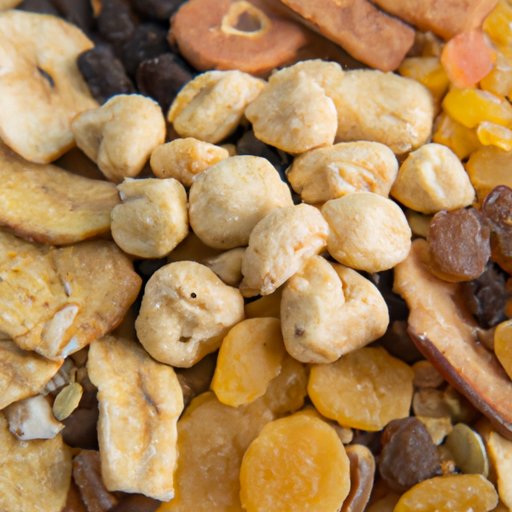
Dried fruits are a type of food that has been around for centuries. They are made by removing moisture from fresh fruits and vegetables, which helps them last longer and makes them easier to transport and store. Dried fruits are becoming increasingly popular due to their convenience and availability, but is this type of food really healthy? In this article, we’ll explore the nutritional value, benefits, risks and popular uses of dried fruits compared to fresh fruits. We’ll also look at some healthier alternatives to dried fruits when it comes to snacking.

Analyzing the Nutritional Value of Dried Fruits
When it comes to nutrition, dried fruits have a lot to offer. According to the Academy of Nutrition and Dietetics, “dried fruits contain many of the same vitamins, minerals and fiber as their fresh counterparts.” This means that dried fruits are a good source of essential nutrients like Vitamin A, Vitamin C, iron, magnesium and potassium. In addition, dried fruits can be an excellent source of dietary fiber. For example, a 1/4 cup serving of raisins contains more than 4 grams of dietary fiber.
However, it’s important to note that dried fruits contain more calories and sugar than their fresh counterparts. This is because the dehydration process concentrates the natural sugars in the fruit, making them taste sweeter. For example, a 1/4 cup of raisins contains about 130 calories and 24 grams of sugar – more than twice the amount of fresh grapes, which contain only 60 calories and 12 grams of sugar per 1/4 cup.
Exploring the Benefits of Eating Dried Fruits
Despite the higher calorie and sugar content, there are several benefits to eating dried fruits. One of the biggest advantages of dried fruits is their convenience. Unlike fresh fruits, which need to be washed, dried fruits are ready to eat right out of the package. They’re also easy to store and transport, making them ideal for on-the-go snacking. Additionally, dried fruits don’t require any preparation, so you can enjoy them anytime without having to do any extra work.
Another benefit of dried fruits is improved nutrition. Studies have shown that drying fruits helps preserve their nutrient content, which can make them even more nutritious than fresh fruits. For example, a study published in the Journal of Food Science found that drying apples increases their antioxidant activity, making them even healthier than fresh apples.
Finally, dried fruits can be a great way to save money. Because they’re less expensive than fresh fruits, you can stock up on dried fruits and keep them on hand for snacking. This can help reduce your grocery bill and make it easier to stick to a budget.

Comparing Fresh and Dried Fruits
When it comes to taste, texture and preparation, there are some key differences between fresh and dried fruits. Fresh fruits are usually juicier and more flavorful than dried fruits, which can be drier and more intense in flavor. Additionally, fresh fruits have a softer texture than dried fruits, which can be chewy or crunchy depending on the type of fruit. When it comes to preparation, fresh fruits require washing, cutting and possibly peeling, while dried fruits are typically ready to eat right out of the package.

Examining the Health Risks of Eating Too Much Dried Fruit
While there are several benefits to eating dried fruits, it’s important to be aware of the potential health risks. Eating too much dried fruit can lead to dehydration due to its high sugar content. Additionally, dried fruits can increase the risk of tooth decay because the sugars in the fruit can stick to your teeth. Finally, eating too much dried fruit can lead to intestinal blockage if not chewed properly.
It’s important to remember that dried fruits should be eaten in moderation. According to registered dietitian Cara Rosenbloom, “dried fruits can certainly be enjoyed as part of a healthy diet, but you should limit your intake to about 1/4 cup per day.” She also recommends pairing dried fruits with other healthy snacks, such as nuts or seeds, to help balance out the sugar content.
Investigating the Popularity of Dried Fruits
Dried fruits have become increasingly popular in recent years due to their availability, versatility and long shelf life. Unlike fresh fruits, which have a short shelf life, dried fruits can be stored for months at a time without spoiling. This makes them ideal for stocking up on and keeping on hand for snacking. Additionally, dried fruits are incredibly versatile and can be used in a variety of recipes, from salads to baked goods.
Looking at Alternatives to Dried Fruits as Healthy Snacks
If you’re looking for healthy snack options that don’t involve dried fruits, there are plenty of alternatives. Nuts and seeds are a great option as they’re high in protein and healthy fats. Unsweetened yogurt is another great choice as it’s packed with calcium and probiotics. If you’re looking for something sweet, try adding a few pieces of dark chocolate or a small handful of berries to your snack.
Conclusion
In summary, dried fruits can be a healthy and convenient snack option. While they contain more calories and sugar than fresh fruits, they can still provide essential nutrients and fiber. However, it’s important to remember to eat them in moderation and pair them with other healthy snacks to balance out the sugar content. There are also plenty of alternatives to dried fruits when it comes to snacking, such as nuts, seeds and unsweetened yogurt. Ultimately, choosing healthy snacks is all about moderation and finding what works best for your lifestyle.
(Note: Is this article not meeting your expectations? Do you have knowledge or insights to share? Unlock new opportunities and expand your reach by joining our authors team. Click Registration to join us and share your expertise with our readers.)