
Introduction
Mushrooms are one of the most versatile and nutritious foods available. With their earthy flavor, they can be enjoyed in a variety of dishes and offer a wide range of nutrients. But what exactly is the nutritional value of mushrooms? Let’s take a closer look at the health benefits of eating mushrooms and how you can incorporate them into your diet.
Definition of Nutritional Value
Nutritional value refers to the beneficial effects that food has on your body. Foods provide essential vitamins, minerals, and other compounds that help your body stay healthy and function properly. While some foods may contain more vitamins and minerals than others, all foods have some nutritional value.
Overview of Mushrooms
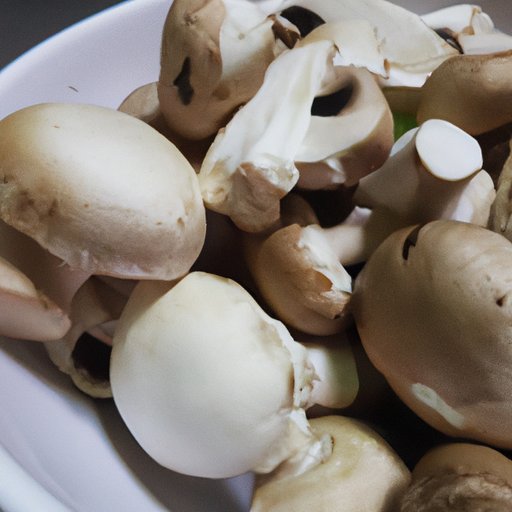
Mushrooms are a type of fungus that grow in the wild or in cultivated crops. They come in a wide variety of shapes, sizes, and colors. There are over 14,000 species of mushrooms, but only a few are used as food. These include button mushrooms, portobello mushrooms, shiitake mushrooms, and oyster mushrooms. Mushrooms can be eaten raw, cooked, or dried.
Comparison of the Nutritional Content of Different Types of Mushrooms
Mushrooms are a great source of nutrition, providing several essential vitamins and minerals. The following table compares the nutritional content of some of the most common varieties of mushrooms:
| Type of Mushroom | Calories (per 100g) | Protein (per 100g) | Carbohydrates (per 100g) | Fiber (per 100g) |
|---|---|---|---|---|
| Button mushroom | 22 | 3.1g | 3.3g | 1.7g |
| Portobello mushroom | 25 | 3.3g | 3.9g | 2.0g |
| Shiitake mushroom | 17 | 2.4g | 2.5g | 1.6g |
| Oyster mushroom | 15 | 3.3g | 2.2g | 1.1g |
In addition to the macronutrients listed above, mushrooms also contain a variety of vitamins and minerals. They are an excellent source of vitamin D, B vitamins, selenium, potassium, phosphorus, and zinc.
Exploring the Health Benefits of Eating Mushrooms
The vitamins and minerals found in mushrooms make them an incredibly nutritious food. But there are also other health benefits associated with eating mushrooms. Studies have shown that mushrooms have antioxidant properties, which can help protect against cell damage caused by free radicals. Additionally, mushrooms contain compounds that have anti-inflammatory effects, which can reduce inflammation in the body and promote overall health.
Mushrooms may also have potential cardiovascular benefits. A study published in the journal Nutrition Research found that consuming mushrooms regularly was associated with lower levels of “bad” LDL cholesterol and higher levels of “good” HDL cholesterol. These findings suggest that mushrooms could help reduce the risk of heart disease.

How to Incorporate More Mushrooms into Your Diet
Mushrooms are incredibly versatile and can be incorporated into a variety of dishes. They can be added to soups, salads, and other dishes, or blended into smoothies for a nutrient boost. They can also be used as a meat substitute in vegetarian and vegan dishes.

How to Cook with Mushrooms for Maximum Nutritional Value
When cooking with mushrooms, it’s important to use methods that preserve their nutritional value. Light sautéing or steaming are good options, as is grilling or roasting. Marinating mushrooms before cooking is also a great way to add flavor and maximize their nutritional benefits.
Nutrient-Rich Recipes Featuring Mushrooms
There are many delicious and nutritious recipes featuring mushrooms. Here are a few ideas to get you started:
- Mushroom Tacos: Sauté mushrooms with garlic, onion, and spices, then serve in warm tortillas with your favorite toppings.
- Mushroom Risotto: Cook Arborio rice in vegetable broth with mushrooms, garlic, and Parmesan cheese.
- Mushroom Stir-Fry: Sauté mushrooms with your favorite vegetables, soy sauce, and ginger.

The Role of Mushrooms in a Balanced Diet
Mushrooms are an excellent addition to any balanced diet. They provide a variety of nutrients, including vitamins, minerals, and antioxidants. They are also low in calories, making them a great choice for people watching their weight. In addition, mushrooms are a good source of fiber, which helps keep you feeling full and can aid in digestion.
A Guide to Selecting and Preparing Mushrooms for Maximum Nutrition
When selecting mushrooms, it’s best to choose organic varieties, as they are grown without the use of pesticides or other chemicals. When storing mushrooms, it’s important to keep them dry, as moisture can cause them to spoil quickly. It’s also important to wash mushrooms before cooking, as dirt and debris can accumulate on their surface.
When cooking mushrooms, avoid overcooking them. This can cause them to lose some of their nutritional value. Instead, use a light sauté or steam to preserve their nutrients. Marinating mushrooms before cooking can also help to enhance their flavor and increase their nutritional benefits.
Conclusion
Mushrooms are an incredibly nutritious food, offering a variety of vitamins and minerals. They also have antioxidant and anti-inflammatory properties, and may have potential cardiovascular benefits. To maximize the nutritional value of mushrooms, it’s important to choose organic varieties, store them properly, and cook them lightly. Incorporating mushrooms into your diet is a great way to ensure you’re getting enough vitamins, minerals, and other nutrients.
(Note: Is this article not meeting your expectations? Do you have knowledge or insights to share? Unlock new opportunities and expand your reach by joining our authors team. Click Registration to join us and share your expertise with our readers.)