
Introduction
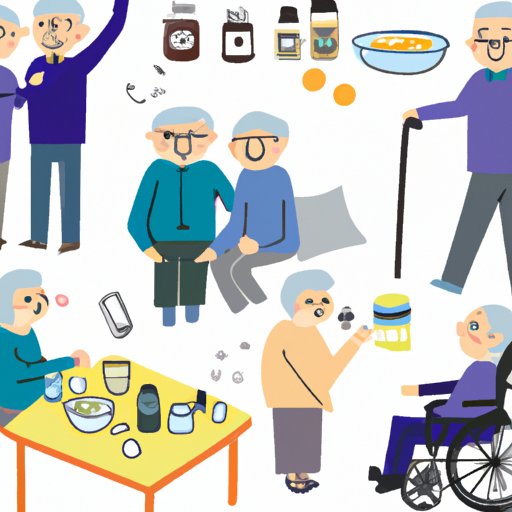
Caring for the elderly is an important responsibility that requires special attention and care. This type of care includes providing a safe environment, engaging activities, encouraging physical activity, and ensuring proper nutrition. It also involves monitoring medications to ensure they are taken as prescribed by a physician.
Keep them safe and secure
The most important aspect of caring for the elderly is keeping them safe and secure. This means providing access to medical care if needed, as well as making sure their living quarters are free from potential hazards. This can include anything from removing tripping hazards to installing handrails in showers and stairways. Additionally, it is important to make sure their living space is equipped with essential amenities such as heating, air conditioning, and other necessary appliances.
Keep them engaged
Engaging activities are important for elderly people to stay mentally sharp. Reading books and magazines, doing puzzles, crafts, and other hobbies are all great ways to keep the mind active. Taking them on outings to visit friends or go to the park can also be beneficial, as long as it is done in moderation and within their physical capabilities.
Stay physically active
Physical activity is key to maintaining health and mobility in the elderly. Something as simple as walking around the block or swimming a few laps can help keep the body fit and flexible. Additionally, other forms of exercise such as yoga, tai chi, and strength training can help build muscle and improve balance.
Eat nutritiously
Nutrition is important for the elderly to maintain energy levels and overall health. Eating fresh vegetables, fruits, proteins, grains, and vitamins and minerals are all essential for good health. Preparing healthy meals that are easy to digest and full of nutrients is important for the elderly.
Monitor medication
It is important to monitor medications for the elderly in your care. Make sure prescriptions are up to date and that medications are taken as prescribed by a doctor. Regular check-ins with the doctor are also important to ensure that any changes in health are addressed in a timely manner.
Conclusion
Caring for the elderly in your home can be a rewarding experience. Providing safety, engaging activities, encouraging physical activity, creating nutritious meals, and monitoring medications are all important aspects of this type of care. With patience and understanding, you can provide the best possible care for your elderly family members.
(Note: Is this article not meeting your expectations? Do you have knowledge or insights to share? Unlock new opportunities and expand your reach by joining our authors team. Click Registration to join us and share your expertise with our readers.)