
Introduction
The Mediterranean diet is a popular way of eating that has been linked to numerous health benefits, including improved heart health, weight loss, and reduced risk of certain diseases. It emphasizes plant-based foods, such as fruits, vegetables, legumes, nuts, and whole grains, while limiting processed foods and animal products. But what foods are off-limits on the Mediterranean diet? In this article, we will explore what foods are not allowed on the Mediterranean diet and provide tips on how to stay healthy while following the diet.
Exploring What Not to Eat on the Mediterranean Diet
A 2018 study published in the journal Nutrients found that the Mediterranean diet is “characterized by high consumption of vegetables, fruits, legumes, cereals, fish, and olive oil; moderate consumption of dairy and poultry; and low consumption of red meat, sweets, and processed foods.”1 This means that certain foods are off-limits on the Mediterranean diet.
The Forbidden Foods of the Mediterranean Diet
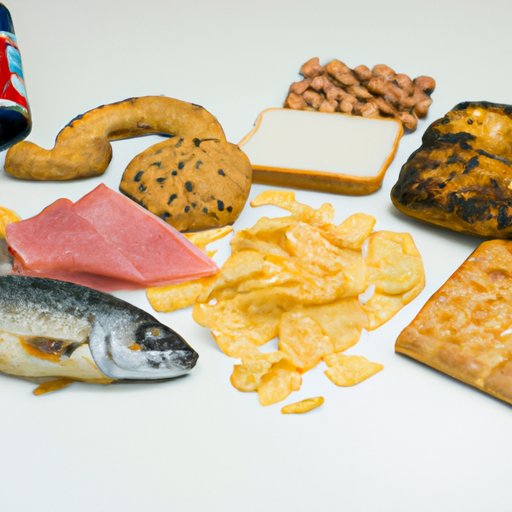
The Mediterranean diet restricts certain foods, including red meats, processed meats, and refined sugars. Red meats, such as beef, pork, and lamb, should be avoided due to their high levels of saturated fat. Processed meats, such as hot dogs, bacon, and sausage, should also be avoided due to their high levels of sodium and nitrates. Refined sugars, such as those found in candy, cakes, cookies, and other desserts, should be limited as they can contribute to weight gain and other health problems.
A Comprehensive List of Foods To Avoid on the Mediterranean Diet
In addition to the foods mentioned above, there are several other foods that should be avoided on the Mediterranean diet. These include:
- Fried foods, such as French fries, onion rings, and chicken nuggets
- Processed snacks, such as chips and crackers
- Full-fat dairy, such as butter and cheese
- Refined grains, such as white bread, pasta, and rice
- Added sugars, such as those found in soda and fruit juices
- Alcoholic beverages
It is important to note that some of these foods, such as full-fat dairy and alcohol, can be consumed in moderation on the Mediterranean diet. However, they should be eaten sparingly and not become a regular part of your diet.

A Guide to Eating Healthy on the Mediterranean Diet
Eating healthy on the Mediterranean diet is all about making smart food choices. Here are some tips to help you stay on track:
An Overview of Off-Limits Foods for the Mediterranean Diet
When shopping for groceries, take the time to read labels and look for foods that are low in added sugars, sodium, and unhealthy fats. Avoid processed and packaged foods as much as possible. Instead, opt for fresh, whole foods that are rich in nutrients. Additionally, try to limit your intake of red meats, processed meats, and refined sugars.
Steering Clear of Unhealthy Foods on the Mediterranean Diet
It can be tempting to indulge in unhealthy foods every now and then. However, it’s important to remember that these foods should be enjoyed in moderation. If you find yourself craving something sweet or salty, try to reach for a healthier alternative, such as a piece of fruit or a handful of nuts. Additionally, aim to drink plenty of water throughout the day to keep your body hydrated and feeling its best.
Conclusion
The Mediterranean diet is a popular way of eating that has been linked to numerous health benefits. It emphasizes plant-based foods, such as fruits, vegetables, legumes, nuts, and whole grains, while limiting processed foods and animal products. When following the Mediterranean diet, it is important to avoid certain foods, such as red meats, processed meats, and refined sugars. Additionally, it is important to make smart food choices and limit your intake of unhealthy foods. By following these guidelines, you can reap the many health benefits of the Mediterranean diet.
(Note: Is this article not meeting your expectations? Do you have knowledge or insights to share? Unlock new opportunities and expand your reach by joining our authors team. Click Registration to join us and share your expertise with our readers.)