
Introduction
Archaeology is the scientific study of the past through material remains. It covers a wide range of topics, from the origins of human civilization to the development of technology, art, and religion. As an interdisciplinary field, it also incorporates elements from other disciplines such as geology, anthropology, and biology. Environmental science is the study of the interactions between humans and their natural environment. It deals with issues such as pollution, climate change, and resource management. In this article, we will explore how archaeology contributes to the study of environmental science.

Examining the Environmental Impact of Ancient Human Populations
Archaeological evidence can be used to analyze human-environment interactions and understand how ancient populations impacted their surroundings. For example, research conducted at the Pre-Pottery Neolithic site of Tell Qaramel in Syria has shown that the introduction of agriculture had a significant effect on the local environment. According to the study, “The expansion of farming led to increased deforestation, soil erosion, and the reduction of biodiversity.”1 This type of analysis is crucial for understanding the long-term effects of human activity on the environment and informing current policies.
Investigating Climate Change Over Time
Paleoclimatology is the study of past climates and how they have changed over time. By examining archaeological evidence such as pollen samples, tree rings, and sediment layers, scientists are able to reconstruct ancient climates and better understand the effects of climate change. This information can then be used to inform current climate models and predictions. For instance, a study conducted in the Near East found that “Changes in temperature and precipitation during the fourth millennium BC were associated with shifts in agricultural production and land use.”2 Understanding these connections is essential for addressing modern climate change.

Exploring the Relationship between Ancient Civilizations and their Natural Surroundings
Archaeologists are also interested in investigating the relationship between ancient civilizations and their natural surroundings. To do this, they examine how ancient peoples used the landscape and what impact they had on the flora and fauna. For example, a study conducted at the Late Neolithic site of Çatalhöyük in Turkey found that “The inhabitants of the site utilized the surrounding environment for sustenance and manipulated it for their benefit.”3 This type of research provides valuable insights into how ancient societies interacted with their environment.
Analyzing the Impact of Human Activity on the Environment
Archaeologists are also interested in analyzing the impact of human activity on the environment. By examining the effects of deforestation, agriculture, and resource extraction, they can gain a better understanding of how these activities have shaped the environment over time. For instance, research conducted at the Early Bronze Age site of Tel Haror in Israel revealed that “Human activity was responsible for widespread deforestation, resulting in soil degradation and loss of biodiversity.”4 These findings can help us better understand the consequences of human-induced environmental change.

Studying the Role of Animal Bones in Environmental History
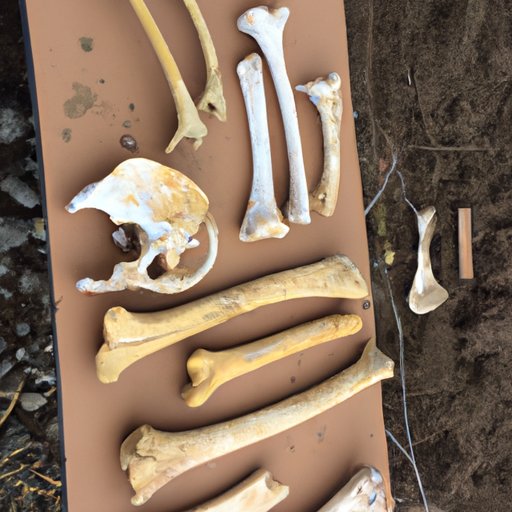
Animal remains can also provide insight into ancient ecological systems and the role of animals in ancient human economies. By analyzing animal bones, archaeologists can determine the types of animals that were present in a particular area, as well as what role they played in the local economy. For example, a study conducted at the Iron Age site of Tel Kedesh in Israel showed that “Animal husbandry was a major component of the local economy, and cattle were the most important domesticated species.”5 This type of research helps us understand the relationships between ancient civilizations and their environment.
Conclusion
In conclusion, archaeology contributes to the study of environmental science in many ways. From examining the environmental impacts of ancient human populations to investigating climate change over time, archaeological evidence can provide valuable insights into the relationship between humans and their natural surroundings. Furthermore, by studying the role of animals in ancient societies, archaeologists can gain a better understanding of ancient ecological systems. Overall, archaeology is a powerful tool for understanding environmental history and informing current environmental policies.
(Note: Is this article not meeting your expectations? Do you have knowledge or insights to share? Unlock new opportunities and expand your reach by joining our authors team. Click Registration to join us and share your expertise with our readers.)