
Introduction
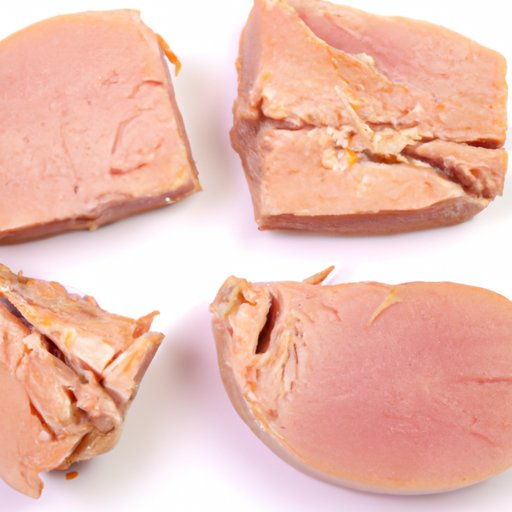
Tuna is a popular fish that can be eaten fresh or canned. It is high in protein and other essential nutrients, making it a nutritious addition to any diet. However, there are some potential risks associated with eating tuna, such as mercury contamination, which can have negative effects on human health. This article will explore the health benefits and risks of eating tuna, examining its nutritional content, environmental impact, and creative ways to incorporate it into your diet.

Examining the Nutritional Content of Tuna
Tuna is an excellent source of protein, vitamin B12, selenium, and omega-3 fatty acids. According to the U.S. Department of Agriculture (USDA), a 3-ounce serving of cooked tuna contains about 25 grams of protein and more than 100% of the recommended daily value for vitamin B12. It also contains significant amounts of selenium, which is important for healthy thyroid function, and omega-3 fatty acids, which have been linked to a variety of health benefits.
Health Benefits of Eating Tuna
The protein, vitamin B12, selenium, and omega-3 fatty acids found in tuna offer numerous health benefits. Protein helps build and repair muscles, while vitamin B12 helps the body make red blood cells and keep nerves functioning properly. Selenium plays an important role in metabolism and immunity, and omega-3 fatty acids may reduce inflammation, lower cholesterol levels, and improve heart health.
A study published in the journal Nutrients found that regularly consuming tuna may help reduce the risk of certain chronic diseases, including type 2 diabetes, cardiovascular disease, and some types of cancer. The researchers concluded that this could be due to the anti-inflammatory properties of omega-3 fatty acids present in tuna.
Potential Risks of Eating Tuna
Despite its many health benefits, there are some potential risks associated with eating tuna. One of the most concerning is mercury contamination. Mercury is a toxic metal that can accumulate in fish, and exposure to high levels of mercury can cause serious health problems. For this reason, it is important to limit consumption of tuna and other high-mercury fish.
In addition, some types of canned tuna may contain high levels of sodium, which can increase the risk of high blood pressure and other health problems. Therefore, it is important to read labels carefully and choose low-sodium varieties when possible.

Exploring the Environmental Impact of Canned Tuna
In addition to its potential health risks, canned tuna can also have a negative impact on the environment. Many tuna fishing methods, such as purse seine and longline fishing, can lead to overfishing and disruption of marine ecosystems. In addition, energy is used to process and package tuna, and some packaging materials, such as plastic cans and containers, can contribute to pollution.
A study published in the journal Marine Pollution Bulletin found that the environmental impacts of canned tuna production can vary depending on the fishing method and type of packaging used. The researchers concluded that efforts should be made to reduce the environmental impacts of canned tuna production, such as by promoting sustainable fishing practices and switching to more environmentally-friendly packaging materials.

Comparing Different Types of Tuna
When choosing tuna, it is important to consider the different types available. Fresh tuna is generally higher in omega-3 fatty acids, while canned tuna is usually lower in calories and fat. In addition, wild-caught tuna tends to be higher in omega-3 fatty acids than farmed tuna.
A study published in the journal Food Chemistry found that wild-caught tuna was higher in omega-3 fatty acids than farmed tuna. The researchers concluded that wild-caught tuna may be a better choice for those looking to maximize their intake of omega-3 fatty acids.
Investigating How to Safely Prepare and Store Tuna
When preparing and storing tuna, it is important to take precautions to reduce the risk of foodborne illness. Tuna should be cooked thoroughly to an internal temperature of 145 degrees Fahrenheit in order to kill any harmful bacteria. In addition, it is best to store tuna in the refrigerator and consume it within two days of purchase.
A study published in the journal Food Control found that proper cooking and storage of tuna can reduce the risk of foodborne illness. The researchers concluded that following safe food handling practices is important to ensure that tuna is safe to eat.

Looking at Creative Ways to Incorporate Tuna into Your Diet
Tuna can be incorporated into a variety of recipes, from sandwiches and salads to casseroles and curries. When adding tuna to recipes, it is important to use low-sodium varieties to reduce the amount of added salt. In addition, adding herbs and spices can give tuna dishes extra flavor without the need for added salt.
A study published in the Journal of Food Science and Technology found that adding herbs and spices to tuna dishes can enhance their flavor without the need for added salt. The researchers concluded that this could be a useful way to reduce sodium intake for those who enjoy eating tuna.
Conclusion
In conclusion, tuna is a nutritious fish that can provide a variety of health benefits. However, there are some potential risks associated with eating tuna, such as mercury contamination and high levels of sodium in some canned varieties. It is important to limit consumption of tuna and choose low-sodium varieties when possible. In addition, it is important to take precautions when preparing and storing tuna to reduce the risk of foodborne illness. Finally, there are many creative ways to incorporate tuna into your diet, such as adding herbs and spices for extra flavor.
By understanding the health benefits and risks of eating tuna, considering its environmental impact, and exploring creative ways to incorporate it into your diet, you can make informed decisions about how to safely include tuna in your meals.
(Note: Is this article not meeting your expectations? Do you have knowledge or insights to share? Unlock new opportunities and expand your reach by joining our authors team. Click Registration to join us and share your expertise with our readers.)