
Introduction
Gluten is a protein found in wheat, barley and rye that many people are sensitive or allergic to. Eating gluten-free means avoiding all food and ingredients containing these grains. It may seem like a daunting task, but with the right information and resources, it’s possible to enjoy a healthy and delicious gluten-free lifestyle.
The benefits of eating gluten-free include improved digestion, increased energy levels and improved overall health. According to a study published in the journal Nutrition in Clinical Practice, “going gluten-free may result in weight loss, decreased inflammation, and improved overall health.”
Shopping Tips
When shopping for gluten-free products, look for the words “gluten-free” or “no gluten ingredients” on the package. You should also check the ingredient list for any potential sources of gluten, such as wheat, barley and rye. When in doubt, contact the manufacturer for more information.
You can find gluten-free products in most grocery stores, health food stores and online retailers. Many mainstream brands now offer gluten-free versions of their products, so don’t be afraid to ask your local store if they carry them. Additionally, there are now many specialty stores that offer a wide selection of gluten-free products.
It’s important to read food labels carefully when shopping for gluten-free items. Look for ingredients like wheat, barley and rye, as well as derivatives such as malt, triticale and spelt. Be sure to check for “hidden” sources of gluten, such as modified food starch, hydrolyzed vegetable protein and maltodextrin.
Recipes
Cooking gluten-free meals at home can be easy and delicious. There are many gluten-free recipes available online, so you’re sure to find something that suits your tastes. Here are some ideas to get you started:
Breakfast Recipes
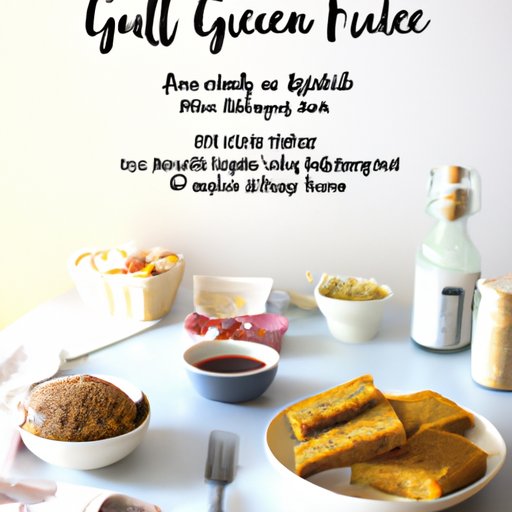
Start your day off right with a tasty gluten-free breakfast. Try making a frittata with vegetables and cheese, a smoothie bowl topped with fresh fruit and nuts, or a hearty oatmeal with almond milk and cinnamon. You can also make gluten-free pancakes or French toast using gluten-free bread.
Lunch Recipes
For lunch, try making a quinoa salad with vegetables and a light vinaigrette dressing, or a wrap made with gluten-free tortillas filled with lettuce, tomatoes and hummus. If you’re feeling adventurous, try making a pizza using a gluten-free crust and topping it with your favorite veggies.
Dinner Recipes
For dinner, try roasting a chicken with potatoes and vegetables, or making a stir-fry with gluten-free noodles. Another option is to whip up a pot of chili with beans, peppers and spices. Or try making a risotto with mushrooms, spinach and Parmesan cheese.
Snack Recipes
Snacking can be tricky when following a gluten-free diet, but it doesn’t have to be. Try making homemade trail mix with gluten-free cereals, nuts and dried fruit. You can also make gluten-free granola bars using oats and honey, or roasted chickpeas seasoned with herbs and spices.
Eating Out
Eating out can be a challenge when following a gluten-free diet. The key is to plan ahead and ask questions. Before heading out to eat, research the restaurant’s menu and call ahead to inquire about their gluten-free options. When you arrive, let your server know about your dietary needs and ask if they can accommodate you.
When ordering, make sure to specify that you need the dish to be gluten-free. Ask questions about how the dish is prepared and if there is any risk of cross-contamination. Be wary of sauces and condiments, as they may contain traces of gluten. And always ask for the kitchen staff to use clean utensils and surfaces when preparing your meal.
Conclusion
Eating gluten-free can be a challenge, but it doesn’t have to be. With the right information and resources, you can enjoy a healthy and delicious gluten-free lifestyle. When shopping, look for the words “gluten-free” or “no gluten ingredients” on packages and read food labels carefully. When cooking, there are many delicious gluten-free recipes available online. And when eating out, ask questions and be wary of cross-contamination. With these tips, you can have a safe and enjoyable gluten-free experience.
If you’re looking for more information on living a gluten-free lifestyle, check out the Celiac Disease Foundation website or the Gluten Intolerance Group website. Both offer helpful resources and support for those living with celiac disease or gluten sensitivity.
(Note: Is this article not meeting your expectations? Do you have knowledge or insights to share? Unlock new opportunities and expand your reach by joining our authors team. Click Registration to join us and share your expertise with our readers.)