
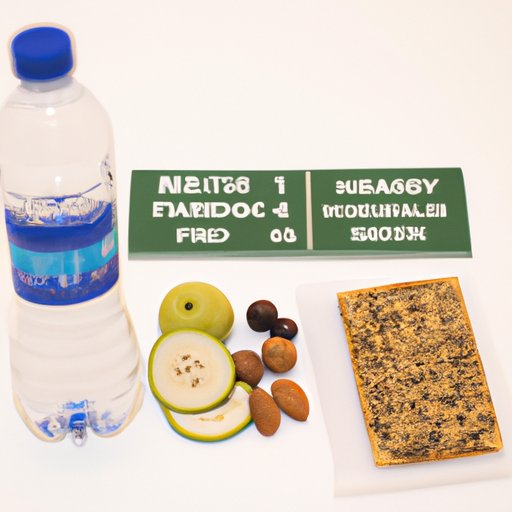
Introduction
Hunger is a normal physiological response when your body needs energy. It’s an essential part of life that helps us maintain our health, but it can also be uncomfortable or distracting. Common causes of hunger include skipping meals, not getting enough sleep, eating unhealthy foods, and dehydration.
Eating Small, Frequent Meals
One way to prevent hunger is to eat smaller meals more frequently throughout the day. According to a study published in Nutrition Journal, people who ate four to five smaller meals per day felt fuller and had greater control over their cravings than those who ate two or three larger meals. Eating smaller meals can help you stay full for longer periods of time and reduce feelings of hunger.
When planning your meals, focus on nutrient-dense foods like fruits, vegetables, lean proteins, and whole grains. Aim for a balance of all the major food groups to ensure you’re getting the nutrients your body needs. Here’s an example of a suggested meal plan:
- Breakfast: oatmeal with fresh fruit
- Mid-morning snack: handful of almonds and an apple
- Lunch: veggie wrap with hummus
- Afternoon snack: yogurt with granola
- Dinner: salmon with roasted vegetables
Drinking Plenty of Water
Staying hydrated is another key factor in preventing hunger. When you’re dehydrated, your body sends signals to your brain telling you that you’re hungry, even if you’re not. The Institute of Medicine recommends that adults drink at least eight 8-ounce glasses of water each day.
In addition to drinking water, try incorporating other fluids like herbal tea, juice, or low-fat milk into your daily routine. Avoid sugary drinks like soda and sports drinks, as they can lead to weight gain and increased hunger. Carry a reusable water bottle with you so you can stay hydrated throughout the day.
Packing Healthy Snacks
Snacking can be a great way to avoid hunger, as long as you’re snacking on the right foods. Choose snacks that are high in protein and fiber, such as nuts, seeds, string cheese, hard-boiled eggs, and whole-grain crackers. These types of snacks will help keep you full for longer and provide the energy your body needs.
It’s also important to plan ahead and pack snacks for when you’re on the go. Make sure to bring snacks that are easy to transport and don’t require refrigeration, such as trail mix, granola bars, or dried fruit. You can also get creative by packing some of your favorite fruits or veggies with dip, like hummus or guacamole.
Avoiding Skipping Meals
Skipping meals can cause your blood sugar to drop, which can lead to feelings of hunger and cravings for unhealthy foods. To prevent this, make sure to eat breakfast, lunch, and dinner every day. If you’re short on time, try meal prepping on the weekends so you can have quick, nutritious meals during the week.
Meal prepping can save you time and money, and it also allows you to control what goes into your meals. Start by making a grocery list of healthy ingredients and portion out your meals into individual containers. This way, you’ll always have something healthy and satisfying on hand when hunger strikes.
Getting Enough Sleep
Sleep plays an important role in regulating hunger hormones and keeping your appetite in check. According to the National Sleep Foundation, adults should aim for seven to nine hours of sleep each night. Not getting enough sleep can increase levels of ghrelin, a hormone that stimulates appetite, and decrease levels of leptin, a hormone that suppresses appetite.
Practicing good sleep hygiene is one way to ensure you’re getting enough rest. Set a consistent bedtime and wake up time, and try to limit your exposure to screens before bed. Other helpful tips include avoiding caffeine late in the day, taking a warm bath or shower, and creating a relaxing environment in your bedroom.
Staying Away From Processed Foods
Processed foods are often high in calories, fat, and sodium, and low in fiber and other essential nutrients. Eating these types of foods can lead to an increase in hunger and cravings, as well as unwanted weight gain. To avoid this, focus on eating whole, unprocessed foods like fresh fruits and vegetables, lean proteins, nuts, and whole grains.
If you’re looking for healthier alternatives to processed foods, try swapping white bread for whole-wheat bread, potato chips for air-popped popcorn, and ice cream for frozen yogurt. Incorporating these types of foods into your diet can help you feel fuller for longer and reduce your cravings.
Exercising Regularly
Regular physical activity can help you maintain a healthy weight and reduce feelings of hunger. Exercise increases endorphins, which can improve your mood and reduce stress. It can also help boost your metabolism and burn calories, leading to better overall health.
Aim for at least 30 minutes of physical activity each day. This can include walking, running, biking, swimming, yoga, or any other type of exercise that you enjoy. You can also break up your workouts into shorter chunks of 10–15 minutes throughout the day if that works better for your schedule.
Conclusion
Hunger is a normal part of life, but there are ways to prevent it. Eating small, frequent meals, drinking plenty of water, packing healthy snacks, avoiding skipping meals, getting enough sleep, staying away from processed foods, and exercising regularly can all help you stay full and satisfied throughout the day.
By following these tips, you can maintain a healthy lifestyle and keep hunger at bay. Remember, it’s important to listen to your body and give it the nutrition it needs to function properly.
(Note: Is this article not meeting your expectations? Do you have knowledge or insights to share? Unlock new opportunities and expand your reach by joining our authors team. Click Registration to join us and share your expertise with our readers.)