
Introduction
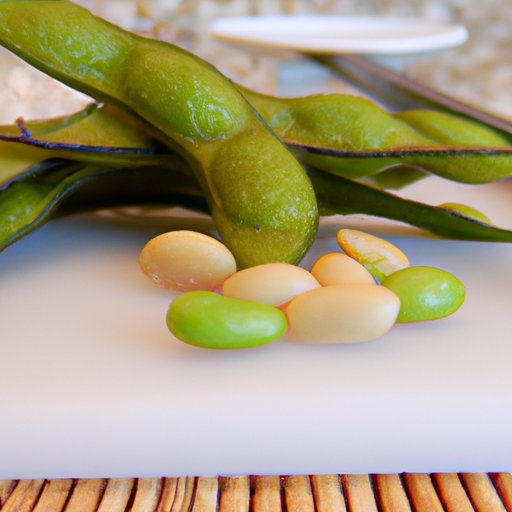
Edamame is a popular snack food and side dish throughout Asia, but it has recently become more widely known and appreciated in the Western world. It is a green vegetable that belongs to the legume family, and its name is derived from the Japanese words “eda” (stem) and “mame” (beans).
Edamame is packed with nutrition and it is an excellent source of protein, fiber, vitamins, and minerals. Eating edamame can help to reduce cholesterol levels, support heart health, and promote healthy digestion. In recent years, edamame has become increasingly popular due to its versatility and nutrient-rich profile.
Step-by-Step Guide on How to Eat Edamame
If you’re new to eating edamame, here’s a step-by-step guide on how to enjoy this delicious green vegetable.
Preparing and Cooking Edamame
The first step is to prepare the edamame. If you’re using fresh edamame, you will need to remove the pods from the stem. If you’re using frozen edamame, you can simply thaw the beans. You can then cook the edamame by boiling, steaming, or roasting them.
Eating Edamame in Its Shell
Once the edamame is cooked, you can enjoy it in its shell. To do this, simply pinch the end of the pod between your thumb and index finger and pull the beans out. You can then dip the edamame in salt or your favorite sauce for added flavor. Alternatively, you can sprinkle some spices such as garlic powder or smoked paprika over the beans for an extra kick.
Eating Shelled Edamame
If you prefer to eat the edamame without the shell, you can simply shell the beans before cooking them. After cooking, the beans can be enjoyed on their own or added to salads, soups, stir-fries, and other dishes.
Enjoying Edamame with Different Sauces and Seasonings
Edamame can also be enjoyed with different sauces and seasonings. For example, you can mix soy sauce, sesame oil, and garlic powder together to make a flavorful sauce for the edamame. You can also add some chili flakes or cayenne pepper for a spicy kick. Another option is to mix the edamame with olive oil, lemon juice, and Parmesan cheese for a Mediterranean twist.

Recipes for Delicious Edamame Dishes
Now that you know how to prepare and cook edamame, let’s explore some delicious recipes that incorporate this nutritious green vegetable.
Edamame Hummus
This creamy hummus is made with edamame beans, tahini, garlic, and lemon juice. It is a great appetizer or snack and can be served with crackers, chips, or vegetables. The recipe is also vegan and gluten-free.
Edamame Salad
This simple salad combines edamame beans, cucumber, tomatoes, red onion, feta cheese, and a light dressing. It is a colorful and refreshing dish that is perfect for lunch or dinner. The recipe is also vegetarian and gluten-free.
Edamame Pasta
This savory pasta dish is made with edamame beans, cherry tomatoes, garlic, and herbs. It is a quick and easy meal that is packed with flavor. The recipe is vegetarian and gluten-free.
Edamame Stir-Fry
This stir-fry is made with edamame beans, carrots, bell peppers, and a savory sauce. It is a flavorful and healthy dish that is perfect for busy weeknights. The recipe is also vegan and gluten-free.
Explaining the Nutritional Benefits of Eating Edamame
Edamame is a nutrient-rich food that provides numerous health benefits. Here are some of the nutritional benefits of eating edamame.
Protein Content
Edamame is an excellent source of plant-based protein. A one-cup serving of edamame contains about 18 grams of protein, which is comparable to the amount of protein found in a three-ounce serving of meat.
Fiber Content
Edamame is also a good source of dietary fiber. Fiber helps to regulate digestion and can help to reduce cholesterol levels. A one-cup serving of edamame contains 8 grams of fiber, which is approximately one-third of the recommended daily intake.
Vitamins and Minerals
Edamame is also loaded with vitamins and minerals, including iron, calcium, vitamin C, and folate. Eating edamame can help to boost your immune system and promote healthy bones.
Tips for Preparing and Cooking Edamame
Here are some tips for preparing and cooking edamame.
Boiling Edamame
To boil edamame, bring a pot of salted water to a boil. Add the edamame to the boiling water and cook for about 5 minutes. Drain the edamame and serve with your favorite sauce or seasoning.
Steaming Edamame
To steam edamame, fill a pot with 1 inch of water and bring to a boil. Place the edamame in a steamer basket and place the basket over the boiling water. Cover the pot and steam the edamame for about 5 minutes. Serve with your favorite sauce or seasoning.
Roasting Edamame
To roast edamame, preheat your oven to 375 degrees Fahrenheit. Place the edamame in a single layer on a baking sheet. Drizzle with olive oil and sprinkle with salt and your favorite spices. Roast for about 15 minutes, stirring halfway through. Enjoy hot or cold.

Different Ways to Enjoy Edamame
Now that you know how to prepare and cook edamame, here are some ideas for incorporating it into your meals.
As a Snack
Edamame makes a delicious and nutritious snack. Simply prepare the edamame according to the instructions above and enjoy it on its own or with your favorite dipping sauce.
In Salads
Edamame can also be added to salads for a protein-packed punch. Try adding edamame to a simple green salad or a grain-based salad for a nutritious and flavorful meal.
In Soups
Edamame can also be added to soups for a hearty and filling meal. Try adding edamame to a vegetable soup or a miso soup for a delicious and nourishing dish.
In Stir-Fries
Edamame can also be added to stir-fries for a quick and easy meal. Try adding edamame to a classic stir-fry or a Thai-style stir-fry for a tasty and nutritious dish.

Comparing Various Types of Edamame
When selecting edamame, there are several options available. Here’s a comparison of the different types of edamame.
Fresh vs. Frozen
Fresh edamame is harvested when the beans are still young and tender. It is usually sold in the pod and must be shelled before cooking. Frozen edamame is often more convenient and it is already shelled. Both types of edamame are equally nutritious.
Shelled vs. Unshelled
Shelled edamame is easier to prepare and it can be added to salads, soups, and other dishes. Unshelled edamame can be enjoyed as a snack or side dish. Both types of edamame are equally nutritious.
Conclusion
Edamame is a nutritious and versatile green vegetable that can be enjoyed in a variety of ways. From boiled and steamed edamame to edamame hummus and stir-fries, there are endless possibilities for incorporating this delicious green vegetable into your meals. With its high protein and fiber content, as well as its vitamins and minerals, eating edamame can be a great way to boost your health and wellbeing.
(Note: Is this article not meeting your expectations? Do you have knowledge or insights to share? Unlock new opportunities and expand your reach by joining our authors team. Click Registration to join us and share your expertise with our readers.)