
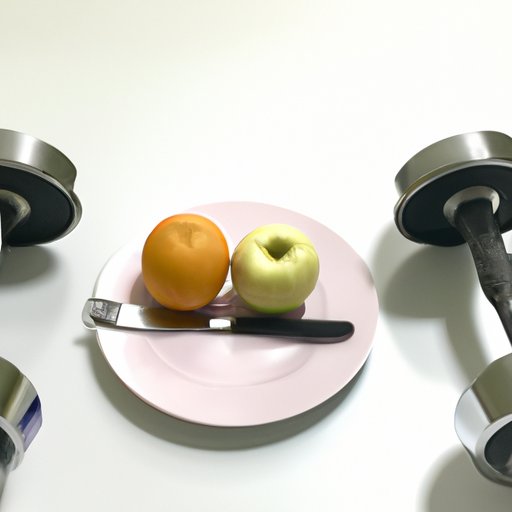
Introduction
Working out after a meal can be an effective way to boost your performance, but it’s important to understand the proper timing in order to get the most out of your workout. Knowing how long you should wait to exercise after eating can help you maximize the benefits of both nutrition and exercise, while avoiding potential digestive issues and low energy levels.
Timing Your Workouts: How Long Should You Wait After Eating?
When it comes to timing your workouts, there are several factors that need to be taken into consideration. The amount and type of food you have eaten, as well as your individual metabolism and activity level, can all affect the length of time it takes for your body to digest and absorb the nutrients from your meal.
In general, the recommended time gap between eating and exercising is around two to three hours. This allows your body enough time to digest the food and convert it into energy, so that you can perform at your best during your workout.
Proper Nutrition and Exercise: What’s the Right Time Gap?
When it comes to proper nutrition and exercise, the right time gap depends on the type of food you eat. If you’ve had a large meal, such as a steak dinner or a big bowl of pasta, then it’s best to wait at least two to three hours before beginning your workout. On the other hand, if you’ve had a light snack, such as a piece of fruit or a handful of nuts, then you can start exercising sooner, as these foods are easier to digest.
If you’re looking for pre-workout meal options, then a small snack consisting of complex carbohydrates, such as oatmeal or whole-grain toast, is a good choice. This will provide you with sustained energy throughout your workout. For post-workout meals, lean proteins, such as chicken or fish, and healthy fats, such as avocados or nuts, are the best options.
The Impact of Working Out Too Soon After Eating
Working out too soon after eating can lead to a number of uncomfortable side effects, including digestive issues and low energy levels. When you exercise on a full stomach, your body has to divert blood away from your digestive system in order to supply your muscles with oxygen and fuel. This can lead to cramping, nausea, and other digestive issues.
Additionally, exercising on a full stomach can cause your energy levels to drop quickly, making it difficult to finish your workout. If you don’t give your body enough time to digest the food, then the nutrients won’t be absorbed properly and your performance will suffer.
Post-Meal Workouts: When Is the Best Time to Exercise?
Eating and exercising for maximum performance is all about finding the right balance. While it’s important to give your body enough time to digest the food, it’s also important to make sure you’re not waiting too long before beginning your workout. If you wait too long, then you’ll end up feeling sluggish and unmotivated.
One alternative strategy for post-meal workouts is to break up your meals into smaller portions throughout the day. This way, you can ensure that your body always has a steady supply of energy without having to wait too long between meals and workouts. Additionally, you can try interval training, which involves alternating periods of high-intensity exercise with periods of rest. This type of training can help you burn more calories in less time.

Working Out On a Full Stomach: What You Need to Know
It’s important to understand your body’s limits when it comes to working out on a full stomach. If you do decide to exercise soon after eating, then you should adjust the intensity of your workout accordingly. Stick to light activities such as walking or stretching, and avoid high-intensity exercises like running or weightlifting.

How to Maximise Your Workouts by Waiting to Exercise After Eating
If you want to get the most out of your workouts, then it’s important to practice good nutrition and to wait to exercise after eating. Eating regularly throughout the day can help ensure that your body has a steady supply of energy, and following an interval training method can help you burn more calories in less time.
It’s also important to stick to a consistent schedule. Try to plan your meals and workouts in advance so that you know exactly when you should be eating and exercising. This will help you stay on track and make sure that you’re giving your body enough time to digest the food before beginning your workout.
Conclusion
Knowing how long you should wait to exercise after eating is an important part of maximizing your workouts. Giving your body enough time to digest the food can help you avoid digestive issues and low energy levels, while still allowing you to reap the benefits of both nutrition and exercise. By eating regularly throughout the day, following an interval training method, and sticking to a consistent schedule, you can ensure that you’re getting the most out of your workouts.
(Note: Is this article not meeting your expectations? Do you have knowledge or insights to share? Unlock new opportunities and expand your reach by joining our authors team. Click Registration to join us and share your expertise with our readers.)