
Introduction
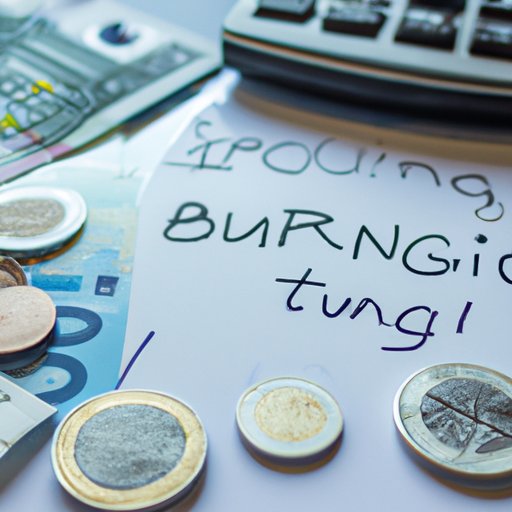
When it comes to travel destinations, Europe has something to offer everyone. Whether you’re looking for stunning architecture, vibrant cultures, or breathtaking natural beauty, Europe is the perfect place to explore. But with so many countries to choose from, it can be hard to know where to start. One of the most important considerations when planning a European vacation is the cost. How much does it cost to travel to Europe? Read on to find out!

Budgeting Tips for Traveling to Europe
The cost of traveling to Europe varies depending on where you’re going, when you’re visiting, and what kind of experience you’re looking for. Generally speaking, Europe is more expensive than other popular destinations like Southeast Asia or South America. However, there are plenty of ways to save money while still having an amazing time. Here are some budgeting tips for traveling to Europe.
Best Times of Year to Visit Europe
The best time to visit Europe depends largely on your destination and the type of experience you’re looking for. Generally speaking, summer (June through August) is the peak season for tourism in Europe, with prices at their highest. If you’re looking to save money, consider visiting during the shoulder season (April-May and September-October), when prices are lower and crowds are smaller. Winter (November-March) is also a great time to visit if you’re looking for a budget-friendly trip.
What to Expect in Terms of Accommodation Costs
Accommodation costs can vary greatly depending on where you stay. In general, hotels tend to be the most expensive option, but there are plenty of other options available. Hostels are a great way to save money, as are Airbnb and couchsurfing. You can also save money by staying in less touristy areas or opting for self-catering apartments. With a little bit of research, you can find affordable accommodation options that fit your needs.
Low-Cost Activities You Can Enjoy in Europe
One of the best things about traveling to Europe is that there are plenty of free or low-cost activities to enjoy. Many cities have free walking tours, and museums often offer discounted admission for students or seniors. Exploring local markets and street food is another great way to experience a new culture without breaking the bank. Plus, taking advantage of public transportation can help you save on costly cab rides.

Tips for Finding Cheap Flights to Europe
Finding cheap flights to Europe can be a challenge, but it’s not impossible. There are several strategies you can use to save money on your airfare. Consider booking your flight well in advance to take advantage of early bird discounts. You can also look for last-minute deals or sign up for email alerts to be notified of special offers. Be sure to compare prices between different airlines and websites to ensure you’re getting the best deal possible.
Strategies for Finding the Cheapest Flight Options
One of the best ways to find cheap flights to Europe is to be flexible with your dates and destinations. Non-direct flights and mid-week flights tend to be cheaper than direct flights or weekend flights. Consider flying into a smaller airport instead of a major hub, and be open to alternative routes. You can also save money by signing up for loyalty programs or using credit card points to pay for your ticket.
Taking Advantage of Discounts and Special Deals
Another great way to save money on flights to Europe is to take advantage of discounts and special deals. Many airlines offer deals for students or seniors, so make sure to check if you qualify. Some airlines also offer package deals that include flights, hotels, and car rentals at discounted rates. Sign up for email newsletters or follow airlines on social media to be the first to hear about new deals.
Maximizing Your Time and Money While Visiting Europe
Once you’ve arrived in Europe, there are plenty of ways to maximize your time and money. Planning ahead is key; research the places you want to visit and book tickets and tours in advance to save money. Exploring local markets and street food is a great way to experience a new culture without spending a lot of money. And don’t forget to take advantage of free attractions and events in each city you visit.
Planning Ahead to Make the Most of Your Trip
Before you leave for your trip, do some research to find out what the must-see attractions are in each city you plan to visit. Book tickets and tours in advance to save money, and be sure to check opening times and days of operation. Also, make sure to check if there are any discounts or special deals available, such as student discounts or museum passes.
Exploring Local Markets and Street Food
Exploring local markets and street food is one of the best ways to experience a new culture. Not only is it usually cheaper than eating at restaurants, but it’s also a great way to interact with locals and learn about their customs. Look for markets that specialize in local produce or traditional dishes, and ask the vendors for advice on what to try.
Taking Advantage of Free Attractions and Events
Many cities in Europe offer free attractions and events that are worth checking out. Take a stroll through a park or wander through a historical neighborhood. Check out local galleries or attend a free music concert. Even if you don’t have a lot of money to spend, there are still plenty of ways to have a great time.
Conclusion
Traveling to Europe can be expensive, but with the right budgeting tips and strategies, you can have an amazing time without breaking the bank. Remember to plan ahead, explore local markets and street food, and take advantage of free attractions and events. With a little bit of research and flexibility, you can have a memorable and budget-friendly trip to Europe.
(Note: Is this article not meeting your expectations? Do you have knowledge or insights to share? Unlock new opportunities and expand your reach by joining our authors team. Click Registration to join us and share your expertise with our readers.)