
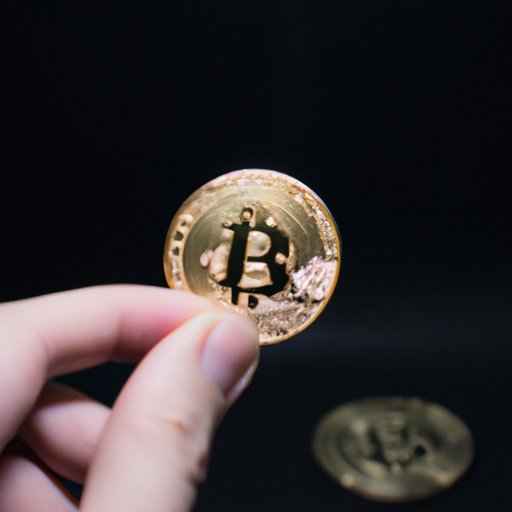
Introduction
Bitcoin has become one of the most popular and widely used forms of digital currency. But for many people, the concept of Bitcoin can be confusing and intimidating. This guide will provide a comprehensive overview of what Bitcoin is and how to use it.
First, let’s start with the basics. Bitcoin is a type of digital currency that uses cryptography to secure transactions. It is decentralized, meaning that it is not controlled by any government or central bank. Instead, it is managed by a network of computers running special software.
A Guide to Using Bitcoin: What You Need to Know
In order to use Bitcoin, you need to understand how it works and the different types of wallets available. Here’s a quick overview of the key points:
How Bitcoin Works
Bitcoin is based on a technology called blockchain, which is a distributed ledger system. This means that all Bitcoin transactions are recorded in a public ledger and can be verified by anyone. Transactions are secure and anonymous, making them ideal for both individuals and businesses.
Different Types of Wallets
To store and use your Bitcoins, you need a wallet. There are several different types of wallets, including hardware wallets, paper wallets, and web-based wallets. Each type has its own advantages and disadvantages, so it’s important to choose the right one for your needs.
Understanding the Bitcoin Network
The Bitcoin network is made up of users and miners who work together to process transactions. Miners are rewarded with newly created Bitcoins for their efforts. In order to use the network, you need to have a Bitcoin address, which is like an account number.
A Step-by-Step Guide to Buying, Selling, and Spending Bitcoin
Now that you understand the basics of Bitcoin, here’s a step-by-step guide to using it:
Exchanges and Marketplaces for Buying and Selling Bitcoin
If you want to buy or sell Bitcoin, you’ll need to use a crypto exchange or marketplace. These platforms allow you to buy, sell, and trade Bitcoin and other cryptocurrencies. It’s important to research the different exchanges and marketplaces before you decide which one to use.
Shopping with Bitcoin Online
You can also use Bitcoin to make online purchases. Many online retailers now accept Bitcoin as a form of payment, and there are even some brick-and-mortar stores that accept it. Before you shop with Bitcoin, make sure you understand the fees associated with each transaction.
Payment Services for Accepting Bitcoin
If you’re a business owner, you may want to consider accepting Bitcoin as a form of payment. There are a number of payment services available that make it easy to accept Bitcoin. These services typically charge lower fees than traditional payment processors, making them an attractive option for businesses.

Investing in Bitcoin: What You Should Know
Investing in Bitcoin can be a great way to diversify your portfolio and increase your returns. However, there are a few things to keep in mind before you invest:
Risk Factors to Consider
As with any investment, there are risks involved with investing in Bitcoin. The price of Bitcoin is highly volatile and can fluctuate quickly, so it’s important to understand the risks before investing.
Different Strategies for Investing in Bitcoin
There are several different strategies for investing in Bitcoin. You can buy and hold, trade, or use derivatives such as futures and options. Each strategy has its own advantages and disadvantages, so it’s important to do your research before deciding which one is right for you.
Tax Implications of Investing in Bitcoin
It’s also important to understand the tax implications of investing in Bitcoin. Depending on where you live, you may be subject to different rules and regulations when it comes to taxes. Make sure you understand the tax laws in your jurisdiction before investing in Bitcoin.

How to Store Your Bitcoins Safely and Securely
Once you’ve bought or earned some Bitcoin, you’ll need to store it securely. Here’s what you need to know:
Types of Wallets
There are several different types of wallets available for storing your Bitcoin. Hardware wallets are the most secure, but they can be expensive. Other options include paper wallets, web-based wallets, and mobile wallets.
Best Practices for Securing Your Wallet
No matter which type of wallet you use, it’s important to follow best practices when securing your wallet. This includes keeping your private keys safe, using strong passwords, and enabling two-factor authentication.
How to Back Up Your Wallet
It’s also important to back up your wallet in case something happens to your computer or phone. Most wallets offer the option to back up your wallet with a seed phrase, which is a set of words that can be used to restore your wallet if necessary.

How to Use Bitcoin for International Payments
Bitcoin can also be used to make international payments. Here’s what you need to know:
Advantages of Using Bitcoin for International Payments
Using Bitcoin for international payments has several advantages. It’s fast, secure, and cheaper than traditional methods. Plus, there’s no need to worry about exchange rates or bank fees.
Finding a Reliable Payment Processor
When making international payments with Bitcoin, it’s important to find a reliable payment processor. Look for one that offers low fees, good customer service, and a secure platform.
Exchange Rate Considerations
It’s also important to consider the exchange rate when using Bitcoin for international payments. The exchange rate can fluctuate quickly, so it’s important to keep an eye on the market and take advantage of any opportunities.
Understanding the Tax Implications of Bitcoin Transactions
Finally, it’s important to understand the tax implications of using Bitcoin. Here’s what you need to know:
Tax Implications of Buying, Selling, and Trading Bitcoin
Depending on where you live, you may be subject to different rules and regulations when it comes to taxes. Generally speaking, capital gains taxes apply when you buy and sell Bitcoin, so it’s important to understand the rules in your jurisdiction.
Tax Implications of Earning Income in Bitcoin
If you earn income in Bitcoin, you may be subject to different tax rules than if you were earning income in fiat currency. Make sure you understand the tax laws in your jurisdiction before earning income in Bitcoin.
Tax Implications of Spending Bitcoin
When it comes to spending Bitcoin, you may be subject to different tax rules depending on where you live. For example, some countries may require you to pay taxes on any purchases made with Bitcoin. Make sure you understand the tax implications of spending Bitcoin in your jurisdiction.
Conclusion
Bitcoin is a revolutionary form of digital currency that has changed the way we think about money. In this guide, we’ve covered the basics of Bitcoin and provided a step-by-step guide to buying, selling, and spending Bitcoin. We’ve also discussed the risks and tax implications of investing in Bitcoin and how to store it safely and securely.
Using Bitcoin can be a great way to diversify your portfolio, make international payments, and save money on fees. However, it’s important to understand the risks and tax implications of using Bitcoin before getting started.
(Note: Is this article not meeting your expectations? Do you have knowledge or insights to share? Unlock new opportunities and expand your reach by joining our authors team. Click Registration to join us and share your expertise with our readers.)