
Introduction
Gypsum is a mineral found in many parts of the world. But what mineral group does it belong to? In order to understand this, it is important to first define what gypsum is and what a mineral group is.
Definition of Gypsum
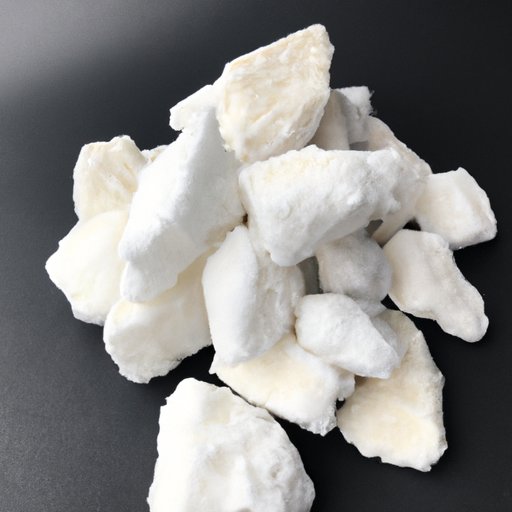
Gypsum is a soft, white or grayish-white sedimentary rock composed mainly of calcium sulfate and other minerals such as quartz, clay, and iron. It is often used in the production of plaster, drywall, and cement, as well as in agriculture for soil conditioning.
What is a Mineral Group?
A mineral group is a collection of minerals that share similar chemical and physical properties. Minerals are classified into different groups based on their chemical composition and crystal structure. These groups are known as mineral classes, and they are further divided into subclasses.

Exploring the Mineral Group Gypsum Belongs To
What is the Mineral Group that Includes Gypsum?
The mineral group that includes gypsum is the sulfate mineral group. This group is made up of minerals that contain sulfur and oxygen atoms bonded together. The most common sulfate minerals are anhydrite, barite, celestite, gypsum, and epsomite.
What Are the Characteristics of the Mineral Group that Includes Gypsum?
The sulfate mineral group has several characteristics that help distinguish it from other mineral groups. These include:
- Crystals have a monoclinic or triclinic structure.
- They are usually light in color.
- They are generally soft and can be easily scratched with a knife.
- They are soluble in water.
- They are formed by chemical reactions between sulfur and oxygen.

Gypsum: A Member of the Mineral Group
What are the Physical Properties of Gypsum?
Gypsum has several physical properties that make it unique among the sulfate minerals. These include:
- It is colorless or white.
- It is soft and can be easily scratched with a knife.
- It is transparent to translucent.
- It is slightly soluble in water.
- It has a monoclinic crystal structure.
- It has a hardness of 2 on the Mohs scale.
How Does Gypsum Fit into the Mineral Group?
Gypsum is a member of the sulfate mineral group because it contains sulfur and oxygen atoms bonded together. It also has the same physical properties as the other members of this group, making it an ideal fit.
What Mineral Group Does Gypsum Belong To?
Is Gypsum a Part of the Silicate Mineral Group?
No, gypsum is not a part of the silicate mineral group. Silicate minerals are composed of silicon and oxygen, while gypsum is composed of calcium and sulfur. Therefore, gypsum does not belong to the silicate mineral group.
Is Gypsum a Part of the Carbonate Mineral Group?
No, gypsum is not a part of the carbonate mineral group. Carbonate minerals are composed of carbon and oxygen, while gypsum is composed of calcium and sulfur. Therefore, gypsum does not belong to the carbonate mineral group.
Is Gypsum a Part of the Halide Mineral Group?
No, gypsum is not a part of the halide mineral group. Halide minerals are composed of elements from the halogen family, while gypsum is composed of calcium and sulfur. Therefore, gypsum does not belong to the halide mineral group.

Learn About the Mineral Group Gypsum is Part Of
What are the Characteristics of the Mineral Group that Includes Gypsum?
The sulfate mineral group is made up of minerals that contain sulfur and oxygen atoms bonded together. These minerals are usually light in color, soft, and easily scratched with a knife. They also have a monoclinic or triclinic crystal structure, and they are soluble in water.
What Other Minerals are Found in the Same Mineral Group as Gypsum?
In addition to gypsum, the sulfate mineral group includes anhydrite, barite, celestite, and epsomite. All of these minerals share the same chemical composition and physical properties as gypsum.
Discovering the Mineral Group that Includes Gypsum
Where Can You Find Gypsum?
Gypsum can be found in many parts of the world, including the United States, Canada, Mexico, Brazil, Australia, and China. It is also found in sedimentary rocks, evaporites, and hot springs.
What is the Chemical Composition of Gypsum?
Gypsum is composed of calcium and sulfur, as well as other trace elements such as silicon, aluminum, and iron. Its chemical formula is CaSO4~2H2O.
Where Does Gypsum Fit in the World of Minerals?
How is Gypsum Used?
Gypsum is widely used in the construction industry for the production of plaster, drywall, and cement. It is also used in agriculture for soil conditioning, and in pharmaceuticals for the production of certain medications.
What are the Benefits of Gypsum?
Gypsum is beneficial in many ways. It helps to reduce water loss from soil and increase nutrient uptake, making it an ideal soil conditioner. It is also fire-resistant, making it a great choice for use in construction. Additionally, it is non-toxic and safe to use in pharmaceuticals.
Uncovering the Mineral Group That Contains Gypsum
What Type of Rock is Gypsum Found In?
Gypsum is found in sedimentary rocks, evaporites, and hot springs. It is also commonly found in marine deposits and lake beds.
What is the Classification of Gypsum?
Gypsum is classified as a sulfate mineral, which means it contains sulfur and oxygen atoms bonded together. It is a member of the sulfate mineral group, which includes anhydrite, barite, celestite, and epsomite.
Conclusion
Gypsum is a mineral that is found in many parts of the world. It is a member of the sulfate mineral group, which includes anhydrite, barite, celestite, and epsomite. Gypsum has several physical properties that make it unique among the sulfate minerals, and it is widely used in the construction and agricultural industries. By understanding the mineral group that gypsum belongs to, we can better understand where it fits in the world of minerals.
(Note: Is this article not meeting your expectations? Do you have knowledge or insights to share? Unlock new opportunities and expand your reach by joining our authors team. Click Registration to join us and share your expertise with our readers.)