
Introduction
Thyroid health is an essential part of overall health and wellbeing. The thyroid gland produces hormones that regulate metabolism, body temperature, digestion, heart rate and other vital functions. When the thyroid is functioning properly, these processes are balanced and the body is able to function optimally. However, when the thyroid is not functioning properly, it can lead to a variety of symptoms including fatigue, weight gain, depression, irritability and more.
Fortunately, there are a number of steps you can take to improve your thyroid health. In this article, we’ll explore the various strategies that can help support healthy thyroid function, including increasing your intake of selenium-rich foods, reducing stress levels, exercising regularly, avoiding processed and refined foods, increasing your intake of omega-3 fatty acids and avoiding goitrogens.
Increase Intake of Selenium-Rich Foods
Selenium is an essential mineral that plays an important role in thyroid health. It helps to convert inactive thyroid hormones into active ones, which are then used by the body. Additionally, selenium helps to protect the thyroid from oxidative damage caused by free radicals.
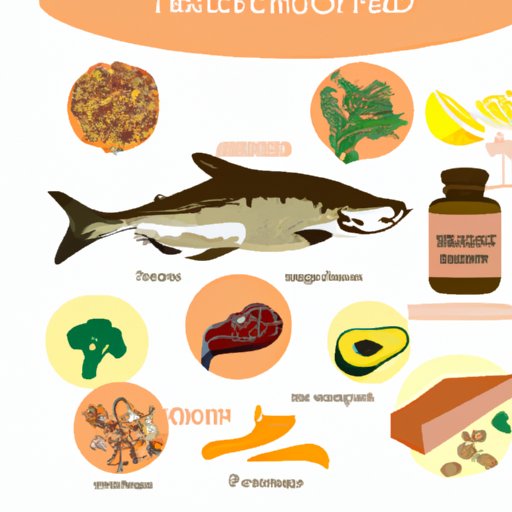
There are a number of selenium-rich foods that you can incorporate into your diet, such as Brazil nuts, tuna, sardines, salmon, shrimp, eggs, mushrooms, spinach and more. You can also get selenium from fortified breads and cereals.
To ensure you’re getting enough selenium, aim to include one or two selenium-rich foods in your diet each day. You can also consider taking a selenium supplement if needed.
Reduce Stress Levels
Stress is another factor that can have a negative impact on thyroid health. Chronic stress can lead to an overproduction of the hormone cortisol, which can interfere with the production of thyroid hormones. Additionally, stress can cause inflammation, which can lead to an imbalance in the immune system and further disrupt thyroid function.
To reduce stress levels, it’s important to find ways to relax. Consider activities such as yoga, meditation, deep breathing exercises and journaling. Other stress-reducing activities include spending time outdoors, listening to music, reading and spending time with friends and family.
Exercise Regularly
Exercise is another key component of thyroid health. Physical activity helps to reduce stress, boost energy levels and improve overall wellbeing. It also helps to increase circulation, which can help to deliver essential nutrients to the thyroid gland.
The type of exercise you do is up to you, but some of the most beneficial exercises for thyroid health include walking, running, swimming, cycling, yoga and strength training. Aim to get at least 30 minutes of exercise each day, and try to mix up your routine to avoid boredom.
If you’re new to exercise or have any health conditions, it’s best to speak to your doctor before starting a new exercise program.

Avoid Processed and Refined Foods
Processed and refined foods are often high in salt, sugar and unhealthy fats, all of which can have a negative impact on thyroid health. These foods can cause inflammation, which can disrupt the production of thyroid hormones. Additionally, many processed and refined foods contain artificial ingredients, preservatives and other chemicals that can be harmful to the thyroid.
Examples of processed and refined foods to avoid include white bread, cakes, cookies, chips, sodas, fast food and other packaged snacks. Instead, focus on eating whole, unprocessed foods such as fruits, vegetables, lean proteins, whole grains, nuts and seeds.
Increase Intake of Omega-3 Fatty Acids
Omega-3 fatty acids are essential fats that play an important role in thyroid health. They help to reduce inflammation, which can help to improve thyroid hormone production. Additionally, omega-3 fatty acids help to protect the thyroid gland from oxidative damage.
Good sources of omega-3 fatty acids include fatty fish such as salmon, mackerel, herring and sardines, as well as flaxseeds, chia seeds, walnuts and hemp seeds. You can also get omega-3 fatty acids from supplements such as fish oil and krill oil.
Aim to consume at least two servings of omega-3 rich foods each week. If needed, you can also consider taking a fish oil supplement.
Avoid Goitrogens
Goitrogens are substances found in certain foods that can interfere with the production of thyroid hormones. Some examples of goitrogens include cruciferous vegetables such as broccoli, cauliflower, kale and cabbage, as well as soybeans, peanuts, millet and spinach.
It’s important to note that goitrogens are not necessarily bad for you—they can actually provide a number of health benefits. However, if you have an existing thyroid condition, it may be best to limit your intake of goitrogenic foods.
If you do choose to eat goitrogens, make sure to cook them thoroughly. Cooking helps to reduce the goitrogenic properties of these foods and make them easier to digest.
Consider Supplements to Support Thyroid Health
In addition to dietary and lifestyle changes, you may also want to consider taking supplements to support healthy thyroid function. Some of the most beneficial supplements for thyroid health include iodine, zinc, vitamin D, iron, vitamin B12 and ashwagandha.
When choosing a supplement, look for one that contains natural, high-quality ingredients. Also, make sure to speak to your doctor before taking any supplements, especially if you have an existing thyroid condition.
Conclusion
Improving your thyroid health doesn’t have to be difficult. By following the tips outlined in this article, such as increasing your intake of selenium-rich foods, reducing stress levels, exercising regularly, avoiding processed and refined foods, increasing your intake of omega-3 fatty acids and avoiding goitrogens, you can help to support healthy thyroid function.
Additionally, consider taking supplements to support your thyroid health. Speak to your doctor first to determine which supplements are right for you.
By making small changes to your diet and lifestyle, you can take control of your thyroid health and improve your overall wellbeing.
(Note: Is this article not meeting your expectations? Do you have knowledge or insights to share? Unlock new opportunities and expand your reach by joining our authors team. Click Registration to join us and share your expertise with our readers.)