
Introduction
Northern European art is a broad term used to describe the visual arts created by artists living in the northern part of Europe. This region includes countries such as Germany, France, Belgium, Netherlands, Denmark, Sweden, Norway, and Finland. Northern European art has been shaped by a variety of factors, including geography, culture, politics, and history. This article will explore the iconic paintings and painting styles of Northern European artists throughout the centuries, examining the influences that have shaped their work.
Exploring the Art of Northern European Painters
Northern European art dates back to prehistoric times, but it was during the Middle Ages that the region began to develop its own distinct style. During this period, artists began to create iconic works, such as the Bayeux Tapestry, which depicted the Norman conquest of England. In the Renaissance, northern European painters began to explore new techniques and subject matter, leading to the development of new painting styles. The Baroque and Rococo movements also had an impact on northern European art, as did the modernist movement of the 20th century. In this section, we will take a closer look at some of the iconic paintings and painting styles of northern European artists.
Examining the Iconic Artworks of Northern Europe
Northern European artists have created some of the most iconic artworks in history. One of the most famous is the Ghent Altarpiece by Jan van Eyck, which combines religious themes with realism and symbolism. Another iconic work is Albrecht Dürer’s woodcut The Triumphal Arch, which is considered one of the greatest prints ever made. Both of these works are examples of the Northern Renaissance style, which was characterized by its use of linear perspective and detailed realism. Other iconic works from this period include Pieter Bruegel the Elder’s The Tower of Babel and Hieronymus Bosch’s The Garden of Earthly Delights.
An Analysis of Popular Northern European Painting Styles
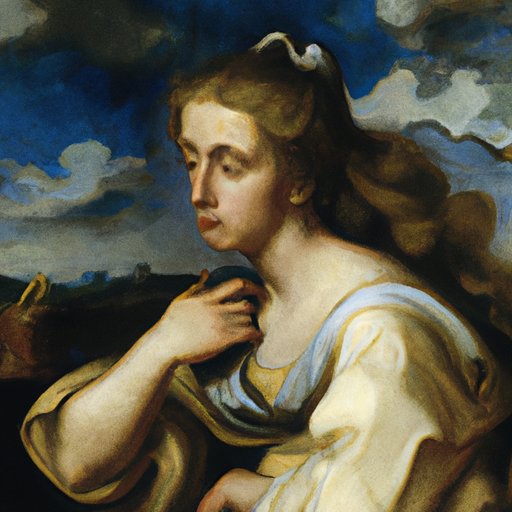
In addition to the Northern Renaissance style, there are several other popular painting styles associated with northern European art. The Dutch Golden Age was marked by the development of landscape painting and genre scenes, as seen in works by Rembrandt and Vermeer. The Baroque style was popular in the 17th century, and was characterized by its grandeur and drama. This style can be seen in works by Peter Paul Rubens and Anthony van Dyck. The Rococo style emerged in the 18th century, and was known for its lightness and playfulness. Notable Rococo painters include Jean-Antoine Watteau and François Boucher. Finally, the modernist movement of the 20th century had a major impact on northern European art, as seen in works by Wassily Kandinsky and Paul Klee.

Iconic Paintings of Northern Europe: A Retrospective
Throughout its long history, northern European art has produced some of the most iconic works in the world. From the Bayeux Tapestry to the Ghent Altarpiece to The Garden of Earthly Delights, these works have shaped our understanding of art and continue to inspire generations of artists. They are a testament to the creativity and ingenuity of northern European painters, and to the enduring legacy of their work.

A Study of Northern European Painting Through the Centuries
In order to understand the art of northern Europe, it is important to examine the various historical periods that shaped it. In this section, we will look at the influence of ancient and medieval art, the Renaissance, Baroque, and Rococo movements, and the impact of modernism.
Investigating the Influence of Ancient and Medieval Art
Ancient and medieval art had a profound influence on northern European painting. Ancient Greek and Roman art, for example, inspired the Northern Renaissance style, while medieval art influenced the development of landscapes and genre scenes in the Dutch Golden Age. These influences can be seen in the works of Jan van Eyck, Pieter Bruegel the Elder, and Rembrandt, among others.
Examining the Renaissance, Baroque, and Rococo Movements
The Renaissance, Baroque, and Rococo movements all had a significant impact on northern European art. The Renaissance was marked by a shift toward realism and a renewed interest in classical forms. The Baroque style, meanwhile, was characterized by its grandeur and drama. Finally, the Rococo style was characterized by its lightness and playfulness. All of these styles can be seen in the works of northern European painters, from Jan van Eyck to Peter Paul Rubens to Jean-Antoine Watteau.

Analyzing the Impact of Modernism on Northern European Painting
Modernism had a major impact on northern European art in the 20th century. Artists such as Wassily Kandinsky, Paul Klee, and Piet Mondrian explored new techniques and subject matter, leading to the development of abstract art. Their influence can be seen in the works of later northern European painters, such as Francis Bacon, Lucian Freud, and Gerhard Richter.

Uncovering the Influences of Northern European Artists
In order to understand the art of northern Europe, it is important to examine the various social, political, and cultural forces that shaped it. For example, the Protestant Reformation had a major impact on northern European art, as did the Enlightenment and the Industrial Revolution. The impact of colonialism and imperialism can also be seen in the works of northern European artists, as can the effects of two World Wars.
Investigating the Artistic Legacy Left by Northern European Painters
Northern European art has left an indelible mark on the history of art. Its iconic works, from the Bayeux Tapestry to The Triumphal Arch to The Garden of Earthly Delights, continue to inspire and captivate audiences around the world. Moreover, the social, political, and cultural forces that shaped northern European painting remain relevant today. As such, the legacy of northern European art continues to inform our understanding of art and culture.
Conclusion
In conclusion, northern European art has played an important role in the history of art. Its iconic works, from the Bayeux Tapestry to The Triumphal Arch to The Garden of Earthly Delights, continue to inspire and captivate audiences around the world. Moreover, the various painting styles associated with northern Europe, from the Northern Renaissance to the Baroque to the Rococo to Modernism, have shaped our understanding of art. Finally, the social, political, and cultural forces that shaped northern European painting remain relevant today, making the legacy of northern European art timeless.
(Note: Is this article not meeting your expectations? Do you have knowledge or insights to share? Unlock new opportunities and expand your reach by joining our authors team. Click Registration to join us and share your expertise with our readers.)