
Introduction
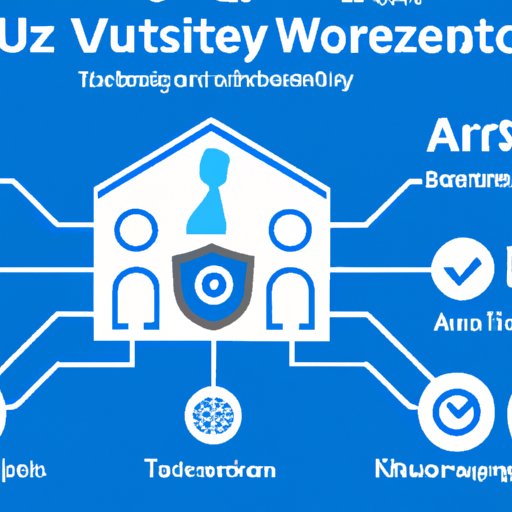
As the digital landscape continues to evolve, organizations must remain vigilant in their efforts to protect sensitive data from cyber threats. One of the most effective strategies for doing so is zero trust architecture (ZTA). This security model is designed to reduce risk by ensuring that all users, devices, and applications are authenticated before they can access resources. By leveraging a combination of policies, processes, and technologies, ZTA creates an environment where all users and systems must be verified before they can gain access to a network or system.
Exploring the Benefits of Zero Trust Architecture
Zero trust architecture offers a variety of benefits to organizations, making it an increasingly popular security model. Here are some of the key advantages of implementing ZTA:
Improved Security
The primary benefit of zero trust architecture is improved security. By verifying all users, devices, and applications before granting access, ZTA eliminates the need for traditional perimeter-based security models. This reduces the risk of malicious actors gaining access to an organization’s network or systems, as verification is required for any user or device attempting to connect.
Increased Visibility
In addition to improved security, ZTA also offers increased visibility into user activity. By requiring authentication for all users, devices, and applications, organizations can gain greater insight into who is accessing their networks and systems. This provides an extra layer of protection against malicious actors, as organizations can quickly identify suspicious behavior and take appropriate action.
Reduced Risk
Finally, zero trust architecture helps to reduce the risk associated with data breaches and other security incidents. By verifying all users, devices, and applications, organizations can minimize the chance of a malicious actor gaining access to their networks or systems. This can ultimately save an organization time and money in the long run, as the cost of recovering from a data breach or other security incident can be significant.

A Comprehensive Guide to Zero Trust Architecture
When it comes to implementing zero trust architecture, organizations should have a comprehensive understanding of the components involved. Here is a guide to help organizations get started:
Understanding the Components of Zero Trust Architecture
At its core, zero trust architecture is based on four key components: authentication, authorization, access control, and monitoring. Authentication is used to verify the identity of a user or device attempting to access a network or system. Authorization is used to determine which users or devices have access to certain resources. Access control is used to limit the number of users or devices that can access a particular resource. Finally, monitoring is used to track user activity and ensure that all users and devices are following the established policies and procedures.
Knowing When to Implement Zero Trust Architecture
Organizations should consider implementing zero trust architecture when they need to protect sensitive data from malicious actors. This could include situations such as data breaches, insider threats, or other security incidents. Additionally, organizations should consider implementing ZTA if they are looking to increase visibility into user activity or reduce the risk associated with data breaches.
How Organizations are Leveraging Zero Trust Architecture
Organizations are leveraging zero trust architecture in a variety of ways. Here are some of the most common approaches:
Adopting a Micro-Segmentation Strategy
Many organizations are adopting a micro-segmentation strategy when implementing zero trust architecture. This involves segmenting a network into smaller, more secure segments, which makes it easier to control user access and monitor user activity. Additionally, micro-segmentation allows organizations to apply different levels of security to different segments of their network, which can help to further reduce the risk of a data breach or other security incident.
Utilizing Multi-Factor Authentication
Multi-factor authentication (MFA) is another key component of zero trust architecture. MFA requires users to provide additional information, such as a one-time code sent to their mobile device, in order to gain access to a network or system. This adds an extra layer of security, as malicious actors must have both the username and password as well as the one-time code in order to gain access.
Leveraging Automation for Improved Efficiency
Organizations are also leveraging automation when implementing zero trust architecture. Automation can help to streamline the process of authenticating users, devices, and applications, which can ultimately save organizations time and money. Additionally, automation can help to reduce the risk of human error, as manual processes can be prone to mistakes.
Best Practices for Implementing Zero Trust Architecture
When it comes to implementing zero trust architecture, there are several best practices organizations should follow. Here are some of the most important ones:
Establishing Clear Policies and Processes
Organizations should establish clear policies and processes for authenticating users, devices, and applications. This includes determining which authentication methods will be used, outlining the steps for approving access requests, and establishing protocols for revoking access when necessary. Establishing these policies and processes ahead of time can help to ensure a smooth implementation process.
Investing in Education and Training
Organizations should also invest in education and training for their employees. This ensures that everyone understands the importance of zero trust architecture and is familiar with the policies and processes in place. Additionally, providing employees with the proper training can help to reduce the risk of human error, which can lead to security incidents.
Prioritizing Continuous Monitoring and Auditing
Finally, organizations should prioritize continuous monitoring and auditing when implementing zero trust architecture. This involves regularly reviewing user activity and logs to ensure that all users and devices are following the established policies and processes. Additionally, organizations should conduct regular audits of their security systems to identify potential vulnerabilities and take appropriate action.

The Future of Zero Trust Architecture
As the digital landscape continues to evolve, so too does zero trust architecture. Here are some predictions for the future of ZTA:
Predictions for the Evolution of Zero Trust Architecture
Experts predict that ZTA will continue to evolve as new technologies emerge. For instance, artificial intelligence (AI) and machine learning (ML) are expected to play an increasingly important role in the security landscape. These technologies can be used to automate the process of authenticating users, devices, and applications, which can help to reduce the risk of a security incident.
Implications for the Cybersecurity Landscape
The evolution of zero trust architecture is also expected to have implications for the cybersecurity landscape. As organizations continue to adopt ZTA, the need for traditional perimeter-based security models will diminish. This shift is likely to create new opportunities for organizations, as they will have to focus on developing new strategies for protecting their networks and systems.

Understanding the Security Implications of Zero Trust Architecture
Before implementing zero trust architecture, organizations should understand the security implications involved. Here are some of the key considerations:
Assessing the Risks Involved
Organizations should assess the risks involved when implementing zero trust architecture. While ZTA can help to reduce the risk of a security incident, it can also create new vulnerabilities if not implemented properly. Organizations should conduct a thorough assessment of their networks and systems to identify any potential risks before implementing ZTA.
Identifying Potential Vulnerabilities
Organizations should also identify any potential vulnerabilities when implementing zero trust architecture. This includes assessing user activity and logs to ensure that all users and devices are following the established policies and processes. Additionally, organizations should conduct regular audits of their security systems to identify any potential vulnerabilities.
Conclusion
Zero trust architecture is an increasingly popular security model that can help organizations protect their networks and systems from malicious actors. By leveraging a combination of policies, processes, and technologies, ZTA creates an environment where all users and systems must be verified before they can gain access to a network or system. Additionally, ZTA offers a variety of benefits, including improved security, increased visibility, and reduced risk. Organizations should consider implementing ZTA when they need to protect sensitive data from malicious actors. However, before doing so, they should assess the risks involved and identify any potential vulnerabilities.
(Note: Is this article not meeting your expectations? Do you have knowledge or insights to share? Unlock new opportunities and expand your reach by joining our authors team. Click Registration to join us and share your expertise with our readers.)