
Introduction
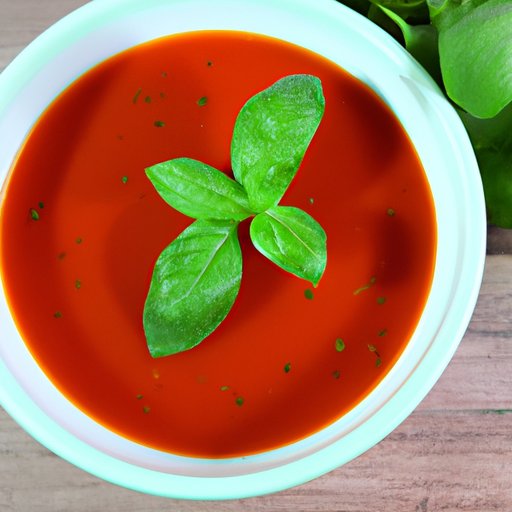
Tomato basil soup is a popular dish that combines the flavor of fresh tomatoes with the aromatic herb basil. It is often served as an appetizer or main course, but can also be used as a sauce for pasta or pizza. While many people enjoy this dish for its delicious taste, it is also packed with essential vitamins and minerals that can provide numerous health benefits. In this article, we will explore the nutrient content of tomato basil soup, how to make a healthy version of the recipe, and whether it can help with weight loss.

Exploring the Health Benefits of Tomato Basil Soup
Tomato basil soup is rich in nutrients that can provide numerous health benefits. Tomatoes are an excellent source of vitamin C, which helps to strengthen the immune system and protect against infection. They also contain lycopene, an antioxidant that may reduce the risk of certain types of cancer. Basil is a source of vitamin A, which helps to maintain healthy vision, and iron, which is essential for energy production. Together, these nutrients combine to form a powerful combination that can provide the body with essential vitamins and minerals.
In addition to these vitamins and minerals, tomato basil soup is also a good source of dietary fiber. Fiber is essential for proper digestion and can help to lower cholesterol levels. It is also beneficial for maintaining blood sugar levels and can help to regulate appetite. Finally, the soup is low in calories, making it a great option for those looking to lose or maintain their weight.
To get the most out of the health benefits of tomato basil soup, it is important to understand the nutrition facts. One cup of tomato basil soup contains approximately:
- Calories: 70
- Total Fat: 0.5g
- Saturated Fat: 0.1g
- Cholesterol: 0mg
- Sodium: 590mg
- Carbohydrates: 14g
- Fiber: 2g
- Sugar: 7g
- Protein: 2g
A nutritionist’s perspective on the healthfulness of tomato basil soup is that it is a nutritious and low-calorie food that can provide numerous health benefits. The soup is rich in vitamins and minerals, and the fiber content can help to regulate digestion and appetite. Additionally, the low-calorie content makes it an ideal option for those looking to manage or lose weight. However, as with any food, it is important to monitor portion sizes to ensure that you are not consuming too much.

How to Make a Healthy Tomato Basil Soup Recipe
Making a healthy tomato basil soup recipe is easy and can be done in just a few simple steps. The following ingredients are needed:
- 4 cups of vegetable broth
- 1 can (14.5 ounces) of diced tomatoes
- 1 medium onion, chopped
- 2 cloves of garlic, minced
- 1 teaspoon of olive oil
- 2 tablespoons of chopped fresh basil
- Salt and pepper to taste
Once you have gathered all of the necessary ingredients, follow these step-by-step instructions to make a healthy tomato basil soup recipe:
- Heat the olive oil in a large pot over medium heat.
- Add the onions and garlic to the pot and cook until they are soft and translucent, about five minutes.
- Add the diced tomatoes, vegetable broth, basil, salt, and pepper to the pot. Stir to combine.
- Bring the mixture to a boil, then reduce the heat and simmer for 15 minutes.
- Using an immersion blender, puree the soup until it reaches the desired consistency.
- Serve warm and enjoy!
The Pros and Cons of Eating Tomato Basil Soup
As with any food, there are both pros and cons to eating tomato basil soup. Let’s take a closer look at some of the benefits and potential risks associated with this dish.
Benefits of Eating Tomato Basil Soup
The primary benefit of eating tomato basil soup is that it is a nutritious and low-calorie food. It is a good source of vitamins and minerals, including vitamin C, lycopene, and iron. Additionally, the soup is high in dietary fiber, which can help to regulate digestion and appetite. Finally, the low-calorie content makes it an ideal option for those looking to manage or lose weight.
Potential Risks of Eating Tomato Basil Soup
While tomato basil soup is generally considered to be a healthy food, there are some potential risks associated with it. For example, the sodium content of the soup is relatively high, so it is important to pay attention to portion sizes to ensure that you are not consuming too much. Additionally, if you are using canned tomatoes in your recipe, it is best to choose a low-sodium variety to minimize your sodium intake.
Is Tomato Basil Soup Good for Weight Loss?
Tomato basil soup can be a great addition to a weight loss diet. As mentioned above, it is low in calories and high in fiber, which can help to keep you feeling full longer and regulate appetite. Additionally, the vitamins and minerals provided by the soup can help to support a healthy metabolism. However, it is important to remember that calorie intake is only one factor when it comes to weight loss. A healthy diet should include a variety of foods from all food groups, and regular exercise is essential for long-term success.
Conclusion
Tomato basil soup is a delicious and nutritious dish that can provide numerous health benefits. It is an excellent source of vitamins and minerals, including vitamin C, lycopene, and iron. Additionally, the soup is high in dietary fiber, which can help to regulate digestion and appetite. Finally, the low-calorie content makes it an ideal option for those looking to manage or lose weight. With these factors in mind, tomato basil soup is definitely a healthy choice.
If you are looking to incorporate tomato basil soup into your diet, there are several recipes available online. You can also experiment with different ingredients to create your own unique version of the dish. Just remember to pay attention to portion sizes and choose low-sodium varieties of canned tomatoes to minimize your sodium intake. With a few simple adjustments, you can enjoy a nutritious and delicious bowl of tomato basil soup anytime.
(Note: Is this article not meeting your expectations? Do you have knowledge or insights to share? Unlock new opportunities and expand your reach by joining our authors team. Click Registration to join us and share your expertise with our readers.)