
Introduction
Having a circuit breaker that keeps tripping can be a major inconvenience. Not only does it disrupt your daily routine, but it can also be dangerous if not addressed promptly. It’s important to understand why a circuit breaker would trip in order to identify the problem and find a suitable solution. This article will explore the common causes of circuit breaker tripping and offer potential solutions to avoid it from happening again.

Exploring Common Causes of Circuit Breaker Tripping
There are several reasons why a circuit breaker may trip. The most common causes include overloaded circuits, short circuits, and ground fault interrupts.
Overloaded Circuits
An overloaded circuit occurs when too much electricity is running through the same outlet or circuit. This can happen when too many appliances are connected to one outlet or when larger appliances such as refrigerators, washing machines, and air conditioners are plugged into the same circuit. When this happens, the circuit breaker trips to protect the circuit from overheating and potential damage.
Short Circuits
A short circuit occurs when two wires come into contact with each other and create an alternate path for electricity to flow, bypassing the circuit breaker. When this happens, the circuit breaker trips to protect the circuit from an overload of electricity. Short circuits can be caused by faulty wiring, loose connections, or damaged insulation.
Ground Fault Interrupts
A ground fault interrupt (GFI) is a type of circuit breaker that is designed to detect any current leakage from an appliance or device. If the GFI detects any current leakage, it will trip to prevent further damage to the circuit. GFI breakers are commonly found in bathrooms, kitchens, and other areas where water is present.
Understanding the Risks of Overloaded Circuits
It’s important to understand the risks associated with overloaded circuits. An overloaded circuit can cause a fire due to the excessive heat generated by the circuit. Additionally, the excessive heat can damage the electrical components of the appliances connected to the overloaded circuit.
Examining Electrical Wiring Issues That Can Lead to Breaker Tripping
In some cases, electrical wiring issues can lead to breaker tripping. Poor connections, aging wiring, or loose connections can all lead to a circuit breaker tripping. These issues should be addressed immediately to avoid further damage to the circuit.
Investigating Potential Problems with an Electrical Panel
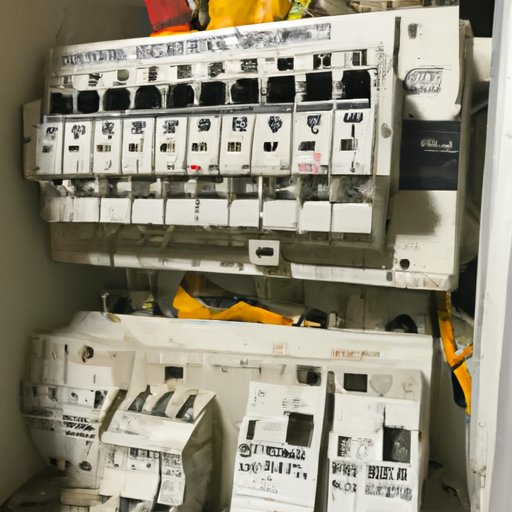
Problems with an electrical panel can also cause a circuit breaker to trip. Circuit breakers that are too small for the amount of electricity being used, damaged wires, and defective breakers can all lead to a circuit breaker tripping. It’s important to inspect the electrical panel regularly to ensure that it is functioning properly.

Analyzing the Benefits of Routine Maintenance on Breakers
Routine maintenance on circuit breakers is important to ensure that they are working properly. Regular maintenance can help improve safety, reduce the risk of fires, and avoid unnecessary repairs. It’s important to inspect circuit breakers regularly and make sure that they are functioning properly.

Identifying Solutions to Avoid Frequent Breaker Tripping
There are several solutions that can be implemented to avoid frequent breaker tripping. Replacing outdated equipment, upgrading electrical panels, and installing surge protectors are all effective ways to reduce the risk of circuit breaker tripping. Additionally, it’s important to inspect the electrical panel regularly and make sure that it is functioning properly.
Conclusion
Circuit breaker tripping can be a major inconvenience and potentially dangerous. This article has explored the common causes of circuit breaker tripping and offered potential solutions to avoid it from happening again. It’s important to understand the risks associated with overloaded circuits, electrical wiring issues, and potential problems with an electrical panel. Additionally, the benefits of routine maintenance on circuit breakers should not be overlooked. By implementing these solutions, you can reduce the risk of circuit breaker tripping and ensure that your home remains safe and free from potential hazards.
(Note: Is this article not meeting your expectations? Do you have knowledge or insights to share? Unlock new opportunities and expand your reach by joining our authors team. Click Registration to join us and share your expertise with our readers.)