
Introduction
Photography is defined as “the art of producing images by recording light or other radiation on a sensitive medium, such as a photographic plate.” In this article, we will explore the origins and development of photography, examining the key players who pioneered the art form and the technological advances that enabled its evolution. We will also analyze the impact of photography on culture and society, from its earliest uses in the 19th century to its present-day applications in art and journalism.

A Historical Overview of the Development of Photography
In the early 1800s, several inventors and innovators began experimenting with ways to capture images and store them on paper or metal plates. These pioneering figures are credited with developing the first photographic processes and laying the groundwork for the modern practice of photography.
Examining the Inventors and Innovators Who Pioneered Photography
Joseph Nicephore Niepce was one of the first to experiment with the concept of capturing an image on a surface. In 1816, he created the world’s first permanent photographic image, using a camera obscura and a pewter plate coated with bitumen. In 1829, he partnered with Louis Daguerre to further develop their work, leading to the invention of the daguerreotype process.
Louis Daguerre is credited with perfecting the daguerreotype process, which involved exposing a silver-plated sheet of copper to iodine vapor, bathing it in mercury vapor, and then exposing it to light. The result was a highly detailed image that could be stored and reproduced. This process was used widely throughout the 1840s and 1850s, and was the most popular form of photography until the late 1860s.
William Henry Fox Talbot was another early innovator in the field of photography. He developed the calotype process in the 1840s, which involved coating a sheet of paper with silver chloride and then exposing it to light. This process allowed for multiple copies of the same image to be made, making it much more efficient than the daguerreotype process. His work helped to establish photography as an art form, and his influence can still be seen in the work of contemporary photographers.
Investigating the Impact of Early Cameras on Art and Culture
The invention of the camera revolutionized the way people documented and shared their experiences. It allowed for a level of detail and realism that had not been possible before, and it enabled people to capture moments that would have otherwise been lost to time. These new tools also allowed for the creation of artistic photographs, and many early practitioners used the camera to explore different genres, such as landscape and portrait photography.
The invention of the camera also had a major impact on the fields of journalism and documentary photography. Photographers were now able to capture events and stories from around the world and share them with a wide audience. This enabled a new level of public discourse and opened up opportunities for social change and reform.

Exploring the Changes in Technology That Enabled Photography
As the popularity of photography grew, so too did the demand for improved technology. This led to the development of new photographic processes and innovations in camera design that allowed photographers to create higher quality images.
Photographic Processes
The daguerreotype process was the first successful photographic process, but it was quickly replaced by other methods that produced more reliable results. These included the calotype process, the ambrotype process, albumen prints, and the collodion process.
The calotype process, developed by William Henry Fox Talbot, involved coating a sheet of paper with silver chloride and then exposing it to light. This allowed for multiple copies of the same image to be made, making it much more efficient than the daguerreotype process.
The ambrotype process was invented in the 1850s and involved coating a glass plate with collodion, then exposing the plate to light and developing the image using a chemical developer. This process resulted in a negative image that could be printed onto a sheet of paper. Albumen prints were also popular during this period, and involved coating a sheet of paper with egg whites and then exposing it to light.
The collodion process was developed in the mid-1850s and involved coating a glass plate with collodion, exposing it to light, and then developing the image in a chemical bath. This process produced high-quality images that could be printed onto paper or stored on the glass plate.
Innovations in Camera Technology
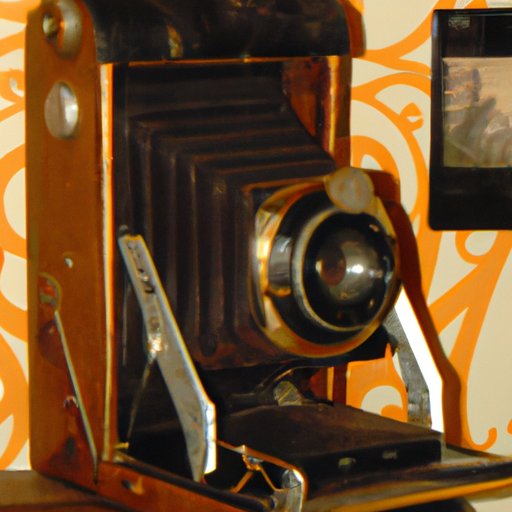
In the late 19th century, the single-lens reflex camera was developed, allowing photographers to focus on the image being captured without having to look through a viewfinder. This enabled photographers to take pictures more quickly and easily, and it also allowed for the capturing of moving subjects. In the late 20th century, digital cameras were introduced, which allowed for even faster and easier photography. Digital cameras also enabled photographers to manipulate images and produce special effects.
Analyzing the Artistic and Social Impact of Photography Through the Ages
Since its invention, photography has had a profound impact on art and culture. In the 19th century, photography was primarily used for documentary purposes and for capturing portraits and landscapes. However, over the course of the century, the art form evolved and began to incorporate elements of abstraction and experimentation.
19th Century Photography
In the 19th century, photography was primarily used for documentary purposes. Landscape photography became popular as a way to capture the beauty of nature and document exploration. Portraits were also popular, and photographers used the camera to capture the likeness of famous figures and everyday people alike. Journalism also benefited from the invention of the camera, as photographers were now able to capture events and stories from around the world and share them with a wide audience.
20th Century Photography
In the 20th century, photography underwent a transformation, as artists began exploring more abstract and experimental ideas. Street photography emerged as a way to capture candid moments of everyday life, while photojournalism gained prominence as a way to document important news events. Abstract photography also became popular, as photographers experimented with color, light, and form to create works of art.
Conclusion
In conclusion, the development of photography has had a profound impact on art and culture. From its invention in the 19th century to its current use in art and journalism, photography has changed the way we see the world and enabled us to capture moments that would have otherwise been lost to time. Through its evolution, photography has become an essential tool for documenting and understanding our world.
(Note: Is this article not meeting your expectations? Do you have knowledge or insights to share? Unlock new opportunities and expand your reach by joining our authors team. Click Registration to join us and share your expertise with our readers.)