
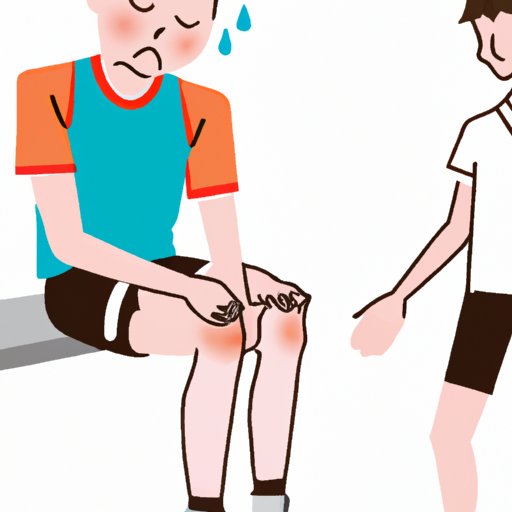
Introduction
Soreness is a common symptom of physical activity. It can range from a mild ache to intense pain, depending on the type and intensity of the activity. Although some level of soreness is normal, it can be difficult to know when it’s safe to work out or if you should rest instead. This article will provide an overview of the benefits and risks of exercising when you are sore, as well as tips for doing so safely and effectively.
Knowing When It’s OK to Exercise After an Injury
When it comes to working out with an injury, it’s important to know the signs that indicate when it is safe to exercise. If you experience any of the following symptoms, it may be best to wait until they have subsided before attempting any physical activity:
- Painful swelling
- Inability to move the affected area
- Reduced range of motion
- Weakness in the affected area
If these symptoms persist, it is best to seek medical advice before attempting to work out. If the injury is too severe, it is best to rest until it has healed.
Tips For Exercising When You’re Sore
Even if you feel like you can handle a workout, it is important to take the necessary precautions to ensure your safety. Here are some tips for exercising when you’re sore:
- Warm up and cool down properly. Make sure to stretch before and after your workout to help reduce the risk of injury.
- Modify exercises as needed. If an exercise is causing too much pain, try modifying it or substituting it with an easier version.
- Listen to your body. If you start to feel pain during your workout, stop immediately and rest.
Can Working Out When You’re Sore Actually Help You Recover Faster?
Working out when you are sore can be beneficial in some cases. The increased blood flow to the affected area can help reduce inflammation and speed up healing. However, it is important to understand the risks associated with exercising when you are sore. Overworking the muscles can cause further damage, leading to more pain and longer recovery times.
Should You Rest or Push Through the Pain?
There is no one-size-fits-all answer to this question. Whether you should rest or push through the pain depends on several factors, including the severity of the injury, your fitness goals, and your overall health. It is important to weigh the pros and cons of both resting and pushing through the pain before making a decision.
Resting can be beneficial if the injury is severe and requires time to heal. This will give your body the chance to repair itself and allow you to return to your regular routine without further injury. However, if the injury is minor and not likely to worsen with exercise, pushing through the pain may be beneficial. This can help build strength and endurance and improve your overall fitness level.
Is There a Right Way to Work Out When You’re Sore?
Yes, there are certain guidelines you should follow when working out when you’re sore. It is important to focus on proper form and technique to ensure you are working the muscles correctly and efficiently. It is also important to modify exercises as needed to accommodate any pain or discomfort. Finally, it is important to listen to your body and stop if you feel any pain or discomfort.
Conclusion
Working out when you are sore can be beneficial in some cases, but it is important to understand the risks associated with exercising when you are sore. It is also important to know the signs to look out for that indicate when it is safe to exercise and what to do if the injury is too severe to exercise. Lastly, it is important to follow certain guidelines to ensure you are working out safely and effectively when you are sore. By following these tips, you can ensure you are getting the most out of your workouts without putting yourself at risk of further injury.
(Note: Is this article not meeting your expectations? Do you have knowledge or insights to share? Unlock new opportunities and expand your reach by joining our authors team. Click Registration to join us and share your expertise with our readers.)