
Introduction
In recent years, the concept of bitcoin mining has become more popular than ever. For those who are unfamiliar with it, bitcoin mining is the process by which new bitcoins are created and transactions are processed on the blockchain. As such, it is an essential part of the cryptocurrency ecosystem. But what does it take to become a bitcoin miner? Can anyone mine bitcoins? This article will explore these questions in depth.

Exploring the Basics of Bitcoin Mining
Before we dive into the practical aspects of bitcoin mining, let’s first take a look at what bitcoin mining actually is.
What is Bitcoin Mining?
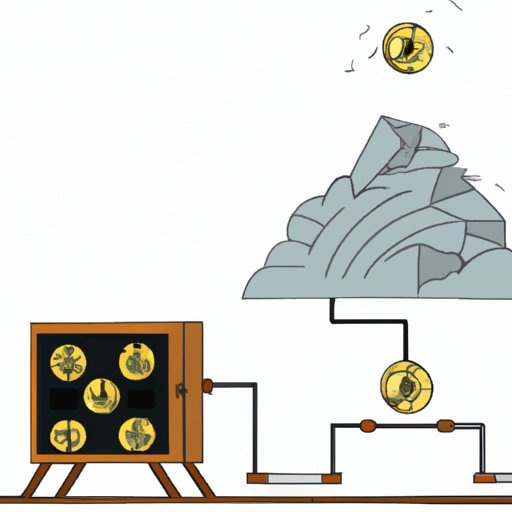
In a nutshell, bitcoin mining is the process by which new bitcoins are created and transactions are processed on the blockchain. The process involves solving complex mathematical puzzles using specialized computers, known as miners. Miners compete to solve the puzzles and when they do, they are rewarded with newly minted bitcoins. This is how the system works to ensure that only valid transactions are added to the blockchain.
How Does Bitcoin Mining Work?
In order for miners to successfully solve the puzzles and receive their rewards, they must have access to powerful computers and specialized software. These computers, also known as mining rigs, are designed specifically to carry out the complex calculations required to solve the puzzles. The software used is responsible for connecting the mining rigs to the blockchain network and for managing the mining process itself. Once the puzzle is solved, the reward is sent to the miner’s wallet.
A Step-by-Step Guide to Mining Bitcoins
Now that we have a basic understanding of how bitcoin mining works, let’s take a look at the steps involved in setting up a bitcoin mining rig.
Setting Up a Bitcoin Mining Rig
The first step in the process of setting up a bitcoin mining rig is to purchase the necessary hardware. This includes the mining rig itself, as well as any additional components such as cooling fans and power supplies. Once the hardware has been purchased, it must be assembled and connected to the internet.
Installing Mining Software
Once the hardware has been assembled, the next step is to install the necessary software. This includes a mining pool software, which connects the mining rig to the blockchain network, as well as the actual mining software, which is responsible for managing the mining process itself.
Joining a Mining Pool
Once the hardware and software have been set up, the next step is to join a mining pool. A mining pool is a group of miners who combine their processing power to solve the puzzles more quickly and efficiently. By joining a mining pool, miners can increase their chances of receiving rewards for their efforts.
What Does It Take to Become a Bitcoin Miner?
Now that we have a better understanding of the process of setting up a bitcoin mining rig, let’s take a look at what it takes to become a bitcoin miner.
Hardware Requirements
The most important requirement for becoming a bitcoin miner is the hardware. As discussed earlier, miners need access to powerful computers to solve the puzzles. Additionally, miners may also need to purchase additional components such as cooling fans and power supplies.
Technical Knowledge
In addition to the necessary hardware, miners also need to have some technical knowledge in order to set up and maintain their mining rigs. This includes understanding how the blockchain works, how to set up and configure the mining software, and how to join a mining pool.

An Overview of the Different Types of Bitcoin Miners
Now that we know what it takes to become a bitcoin miner, let’s take a look at the different types of miners available.
ASICs
Application-Specific Integrated Circuits (ASICs) are specialized computers designed specifically for bitcoin mining. They are significantly more powerful than traditional computers and are capable of solving the puzzles more quickly and efficiently. However, they are also significantly more expensive.
GPU Mining
GPU mining is another popular method of bitcoin mining. In this method, miners use graphics cards to carry out the calculations required to solve the puzzles. GPU mining is less expensive than ASIC mining, but it is also less efficient.
Cloud Mining
Cloud mining is a type of mining that involves renting computing power from a third-party provider. This allows miners to access the necessary hardware without having to purchase it themselves. However, cloud mining is often more expensive than traditional mining methods and there is always the risk of the provider not delivering on its promises.
Assessing the Pros and Cons of Bitcoin Mining
Before deciding whether or not to become a bitcoin miner, it is important to understand both the advantages and disadvantages of the activity.
Advantages
One of the main advantages of bitcoin mining is that it can be a lucrative activity. Miners who are successful in solving the puzzles are rewarded with newly minted bitcoins. Additionally, miners also earn transaction fees for verifying transactions on the blockchain.
Disadvantages
The main disadvantage of bitcoin mining is that it can be a very costly activity. Not only do miners need to purchase the necessary hardware, but they also need to pay for electricity to power the mining rigs. Additionally, the difficulty of the puzzles is constantly increasing, making it more difficult for miners to remain profitable.

Examining the Potential Profitability of Bitcoin Mining
Now that we have an understanding of the pros and cons of bitcoin mining, let’s take a look at the potential profitability of the activity.
Factors That Affect Profitability
There are several factors that affect the potential profitability of bitcoin mining, including the cost of the hardware and electricity, the hash rate of the mining rig, and the current market price of bitcoin. Additionally, miners should also consider the fees charged by the mining pool they join and the cost of any additional components they may need.
Calculating Mining Profits
Once all of the relevant factors have been taken into account, miners can use online calculators to estimate their potential profits. These calculators take into account all of the relevant factors and provide an accurate estimate of the potential profits.
Conclusion
To conclude, anyone can mine bitcoins, provided they have the necessary hardware and knowledge. While it can be a lucrative activity, it is also important to remember that it can be a very costly one. Miners should carefully assess the potential profits before deciding whether or not to invest in bitcoin mining.
(Note: Is this article not meeting your expectations? Do you have knowledge or insights to share? Unlock new opportunities and expand your reach by joining our authors team. Click Registration to join us and share your expertise with our readers.)