

Introduction
Bitcoin is a form of digital currency created in 2009 by an anonymous individual or group, known as Satoshi Nakamoto. It is decentralized, meaning it is not controlled by any government or financial institution, and can be used to purchase goods and services online, as well as exchanged for other currencies. While Bitcoin has become increasingly popular in recent years, there are still many people who consider it to be a risky investment. In this article, we will explore the potential risks associated with investing in Bitcoin and other cryptocurrencies, as well as the security measures used to protect investors, the volatility of Bitcoin prices, and the regulatory environment for cryptocurrency transactions.
Examining the Potential Risks of Investing in Bitcoin
When considering whether or not to invest in Bitcoin, it is important to understand the potential risks that come with it. These risks include security and theft, volatility of prices, and the regulatory environment.
Security and Theft
One of the main concerns when it comes to investing in Bitcoin is security and the risk of theft. Since Bitcoin transactions are irreversible and anonymous, it is difficult to recover lost funds if your wallet is hacked or stolen. As such, it is important to take steps to ensure the security of your wallet, such as using strong passwords, enabling two-factor authentication, and keeping your wallet backed up.
Volatility of Prices
Another risk associated with investing in Bitcoin is its volatility. The price of Bitcoin can fluctuate significantly over short periods of time, making it difficult to predict its value. This makes it a risky investment, as you could potentially lose money if the price drops suddenly.
Regulatory Environment
The regulatory environment surrounding Bitcoin is also uncertain. Governments around the world have taken different stances on cryptocurrency, ranging from banning it altogether to allowing it to be traded freely. This means that it is difficult to know how governments may react to Bitcoin in the future, which could impact its value. Additionally, some financial institutions have refused to accept Bitcoin as payment, which could make it difficult to use in certain situations.
Exploring the Security Measures Used to Protect Bitcoin Investors
Despite the risks, there are several security measures that can be used to protect Bitcoin investors. These include encryption, multi-signature wallets, cold storage, and transaction fees.
Encryption
All Bitcoin transactions are encrypted to protect them from hackers. This means that even if someone does gain access to your wallet, they would not be able to access your funds without the correct encryption key.
Multi-Signature Wallets
Multi-signature wallets require more than one signature to authorize a transaction. This means that multiple parties must approve a transaction before it can be completed, reducing the risk of theft.
Cold Storage
Cold storage is a secure method of storing Bitcoin offline. This means that it is not connected to the internet, and therefore cannot be hacked or stolen.
Transaction Fees
Bitcoin transactions involve a fee, which is paid to the miners who process the transaction. This fee helps to reduce the risk of fraud, as it incentivizes miners to only process legitimate transactions.
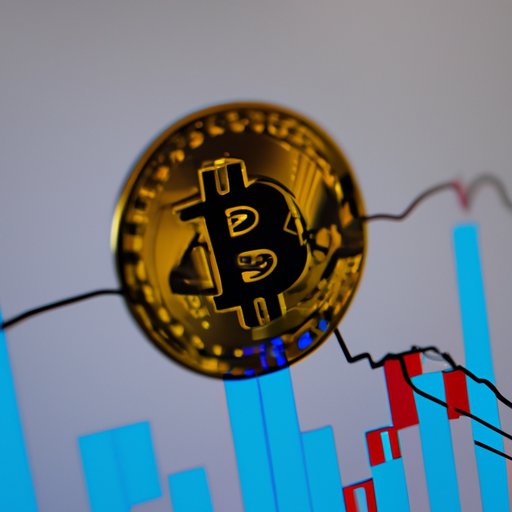
Investigating the Volatility of Bitcoin Prices
The volatility of Bitcoin prices can make investing in it a risky proposition. There are several factors that contribute to this volatility, such as market forces, speculation, and government regulations.
Market Forces
Market forces, such as supply and demand, play a major role in determining the price of Bitcoin. As more people buy Bitcoin, the price increases, and as more people sell, the price decreases. This makes the price of Bitcoin highly unpredictable, as it is difficult to predict how the market will respond to any given event.
Speculation
Speculation is also a major factor in the volatility of Bitcoin prices. Many investors buy Bitcoin in the hopes that its value will increase in the future, which can lead to sudden spikes and dips in the price.
Assessing the Regulatory Environment for Bitcoin Transactions
The regulatory environment for Bitcoin transactions is still developing, and is subject to change. Governments around the world have taken different stances on cryptocurrency, ranging from banning it altogether to allowing it to be traded freely. Additionally, some financial institutions have refused to accept Bitcoin as payment, which could make it difficult to use in certain situations.

Analyzing the Pros and Cons of Investing in Bitcoin
Investing in Bitcoin carries both advantages and disadvantages. On the one hand, it is decentralized and can be used to purchase goods and services online, as well as exchanged for other currencies. On the other hand, it is subject to security risks, volatility, and an uncertain regulatory environment.
Conclusion
In conclusion, investing in Bitcoin carries a certain degree of risk. However, there are several security measures that can be used to protect investors, such as encryption, multi-signature wallets, cold storage, and transaction fees. Additionally, understanding the factors that influence the volatility of Bitcoin prices, such as market forces and speculation, can help investors better manage their risk. Finally, it is important to be aware of the regulatory environment for Bitcoin transactions, as it is subject to change.
Overall, while investing in Bitcoin can be risky, it can also be a lucrative opportunity if done correctly. With the right knowledge and preparation, investors can minimize their risk and maximize their returns.
(Note: Is this article not meeting your expectations? Do you have knowledge or insights to share? Unlock new opportunities and expand your reach by joining our authors team. Click Registration to join us and share your expertise with our readers.)