
Introduction
Veganism is a lifestyle that eliminates the use and consumption of any animal products or byproducts, including eggs, dairy, honey, and gelatin. Eating vegan has become increasingly popular in recent years for its health benefits and its positive impact on the environment. If you’re considering making the switch to a vegan diet, this guide will provide you with the information and resources you need to get started.

Research Vegan Recipes and Create a Meal Plan
The first step to transitioning to a vegan diet is understanding the basics of vegan nutrition. Make sure to include plenty of whole grains, legumes, nuts, seeds, fruits, and vegetables in your meals. It’s also important to find plant-based sources of calcium, iron, vitamin B12, zinc, and omega-3 fatty acids. Once you understand the fundamentals of vegan nutrition, you can start exploring vegan recipes online. Websites like Forks Over Knives and The Spruce Eats offer a variety of delicious vegan recipes to choose from.
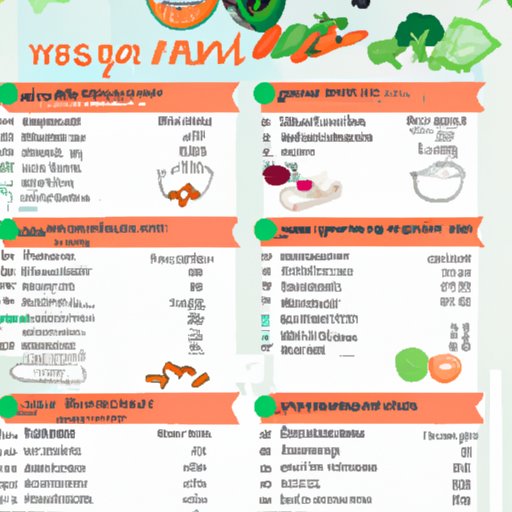
Once you’ve found some vegan recipes that appeal to you, create a meal plan. Set aside some time each week to plan out your meals for the next few days. This will make it easier to stick to your vegan diet and ensure that you’re getting all the nutrients you need. You can also try batch cooking and preparing large quantities of food so you have leftovers for later.
Start Small by Substituting One Animal-Based Food Item with a Vegan Option Each Day
Making small changes over time is a great way to ease into a vegan diet. Pick one animal-based food item that you eat regularly, such as milk, eggs, or cheese, and replace it with a vegan option. For example, if you typically have eggs for breakfast, try swapping them out for tofu scramble. There are plenty of vegan substitutes for animal-based products, such as almond milk, vegan cheese, and coconut yogurt.
Take your time transitioning to a vegan diet. Don’t feel overwhelmed or discouraged if you slip up. The key is to stay focused on your goal and take things one step at a time.

Find Vegan Substitutes for Favorite Dishes
Are there certain dishes that you love to make or order at restaurants? Try finding vegan alternatives for those dishes. Look up vegan versions of your favorite recipes online and experiment with different ingredients and cooking techniques. You may be surprised to discover that vegan versions of your favorite dishes are just as delicious as their non-vegan counterparts.
Educate Yourself about the Health Benefits of Going Vegan
Eating vegan has been linked to a variety of potential health benefits, including a reduced risk of heart disease, diabetes, and certain types of cancer. Learn about the nutritional value of vegan foods and read up on the potential health benefits of a vegan diet. This knowledge will help motivate you to stay on track with your vegan goals.

Join a Vegan Support Group or Online Forum to Connect with Other Vegans
Going vegan can be a lonely journey, especially if none of your friends or family members are vegan. Joining a vegan support group or online forum can help you connect with other vegans and share tips and advice. These groups can also provide a sense of community and belonging, which can be invaluable when transitioning to a vegan diet.
Conclusion
Starting a vegan diet can seem daunting, but it doesn’t have to be. Research vegan recipes, create a meal plan, and start small by substituting one animal-based food item with a vegan option each day. Find vegan substitutes for your favorite dishes and educate yourself about the health benefits of going vegan. Finally, join a vegan support group or online forum to connect with other vegans. With these tips and resources, you’ll be well on your way to a successful vegan lifestyle.
(Note: Is this article not meeting your expectations? Do you have knowledge or insights to share? Unlock new opportunities and expand your reach by joining our authors team. Click Registration to join us and share your expertise with our readers.)