
Introduction
Good nutrition is an important part of leading a healthy lifestyle. Combined with physical activity, your diet can help you to reach and maintain a healthy weight, reduce your risk of chronic diseases (like heart disease and cancer), and promote your overall health.
At its most basic, good nutrition means eating a balanced and varied diet of whole foods that provide the nutrients our bodies need. These nutrients include proteins, carbohydrates, fats, vitamins, minerals, and water.
Impact of Good Nutrition on Physical Health and Well-Being
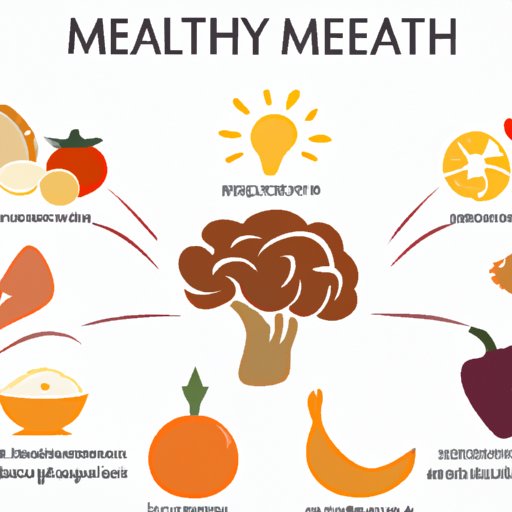
Eating a balanced diet is one of the best things you can do for your physical health and well-being. A balanced diet includes all the major food groups — fruits, vegetables, grains, dairy products, and protein sources, such as meat and beans.
These foods provide energy and essential nutrients like protein, fat, carbohydrates, vitamins, and minerals. Eating a variety of these foods helps ensure that you get all the nutrients you need.
Balanced Diet
A balanced diet is key to achieving and maintaining a healthy weight. It’s important to choose nutrient-dense foods — those that are high in vitamins, minerals, and other nutrients but low in calories. Include a variety of fruits, vegetables, whole grains, lean meats, fish, and low-fat dairy products in your diet.
Weight Management
Maintaining a healthy weight is important for overall health and can help reduce the risk of chronic diseases. Eating a balanced diet and engaging in regular physical activity can help you achieve and maintain a healthy weight.
Disease Prevention
Eating a balanced diet can also help reduce your risk of certain conditions, such as heart disease, stroke, diabetes, and some types of cancer. Eating plenty of fruits, vegetables, and whole grains — which are rich in dietary fiber — can help reduce the risk of these diseases.
Benefits of Good Nutrition for Mental Health and Cognitive Development
Good nutrition is not only important for physical health, but it can also have a positive effect on mental health and cognitive development. Eating nutrient-dense foods has been linked to improved moods and overall happiness.
Nutrient-Dense Foods
Eating nutrient-dense foods — such as fruits, vegetables, and whole grains — can provide essential vitamins and minerals that are important for brain health. These foods are also rich in antioxidants, which can protect the brain from damage caused by oxidative stress.
Improved Moods
Eating a balanced diet can also help improve moods and overall mental health. For example, foods that contain omega-3 fatty acids, such as salmon and tuna, have been linked to improved moods and reduced symptoms of depression.
Overall Happiness
In addition, eating healthy foods can also lead to increased happiness and overall wellbeing. Studies have shown that people who eat a balanced diet are more likely to be happy and satisfied than those who don’t.
Conclusion
Good nutrition is an important part of leading a healthy lifestyle. Eating a balanced diet can help you to reach and maintain a healthy weight, reduce your risk of chronic diseases, and promote your overall health. Eating nutrient-dense foods can also benefit mental health and cognitive development, leading to improved moods and overall happiness.
By making healthier food choices and incorporating physical activity into your daily routine, you can reap the many benefits of good nutrition and achieve optimal health and well-being.
(Note: Is this article not meeting your expectations? Do you have knowledge or insights to share? Unlock new opportunities and expand your reach by joining our authors team. Click Registration to join us and share your expertise with our readers.)