
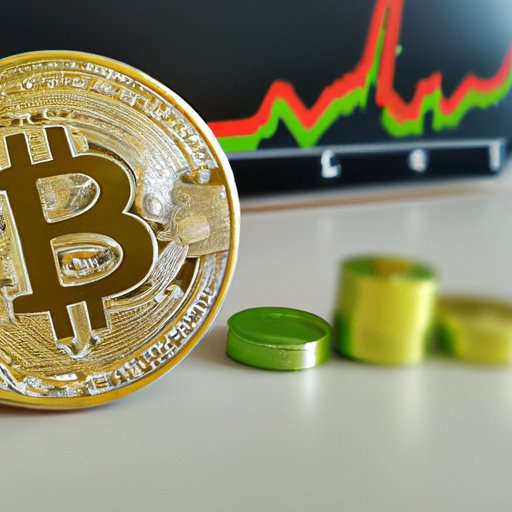
An Overview of Bitcoin: What is it and How Does it Work?
Bitcoin has become an increasingly popular form of digital currency over the past decade. But what exactly is Bitcoin and how does it work? In this article, we will provide an overview of what Bitcoin is and how it works, explore its benefits and potential uses, and examine the risks associated with investing in Bitcoin. We will also look at the role of Bitcoin in the global economy and discuss the future of Bitcoin and other cryptocurrencies.
Definition of Bitcoin
Bitcoin is a decentralized digital currency that is not controlled by any government or central bank. It is based on a distributed ledger technology called blockchain, which is a secure digital ledger maintained by a network of computers and stored on the internet. Bitcoin transactions are verified and recorded on the blockchain, making them secure and virtually impossible to counterfeit.
How Bitcoin Works
In order to use Bitcoin, you need to have a digital wallet, which is like a bank account but is held entirely online. You can then use your wallet to send and receive Bitcoin payments. When you make a payment, the transaction is broadcast to the Bitcoin network, where it is checked for validity. If the transaction is valid, it is added to the blockchain, and the payment is processed.
Types of Cryptocurrencies
Bitcoin is the most well-known and widely used cryptocurrency, but there are many other types of cryptocurrencies available. Ethereum, Litecoin, and Ripple are some of the most popular alternatives to Bitcoin. Each cryptocurrency has its own unique features and advantages, so it is important to do your research before investing in any cryptocurrency.
Exploring Bitcoin’s Benefits and Potential Uses
Bitcoin can be used as a means of payment, as a store of value, or as an investment. There are numerous advantages to using Bitcoin, such as low transaction fees, fast payments, and anonymity. Here are some of the most common uses of Bitcoin:
Advantages of Using Bitcoin
- Low transaction fees: Compared to traditional payment methods, Bitcoin transactions have much lower transaction fees.
- Fast payments: Bitcoin payments are usually processed within minutes, while traditional payments can take days or weeks.
- Anonymity: Bitcoin users can remain anonymous when making payments, as no personal information is required.
- Security: Bitcoin payments are secured by strong encryption and the blockchain, making them virtually impossible to counterfeit.
- Global reach: Bitcoin can be used anywhere in the world, without the need for a third party.
Common Uses of Bitcoin
- Buying goods and services: Many businesses now accept Bitcoin payments, allowing customers to purchase goods and services with Bitcoin.
- Online gambling: Bitcoin is becoming increasingly popular among online gamblers, as it allows for faster payments and more secure transactions.
- International transfers: Bitcoin can be used to quickly and securely transfer money across borders, without the need for a third party.
- Investing: Bitcoin can be traded on exchanges, allowing investors to speculate on its price movements.
- Trading: Bitcoin can be traded against other cryptocurrencies, allowing traders to take advantage of price fluctuations.
A Beginner’s Guide to Buying, Selling, and Trading Bitcoin
If you’re new to Bitcoin, here’s a quick guide to buying, selling, and trading Bitcoin. Before you get started, you will need to set up a digital wallet and purchase some Bitcoin.
Steps to Buy Bitcoin
- Create a digital wallet: You will need to create a digital wallet in order to store your Bitcoin. There are several different types of wallets available, so it is important to do your research before choosing one.
- Find a Bitcoin exchange: Once you have created a wallet, you will need to find a reputable Bitcoin exchange that accepts your currency.
- Verify your identity: Most exchanges require you to verify your identity before you can buy Bitcoin.
- Buy Bitcoin: Once you have verified your identity, you can purchase Bitcoin using your chosen payment method.
Steps to Sell Bitcoin
- Find a buyer: You can sell Bitcoin directly to another person, or you can use an online marketplace such as LocalBitcoins.
- Agree on a price: You and the buyer will need to agree on a price for the Bitcoin.
- Send the Bitcoin: Once the buyer has paid for the Bitcoin, you will need to send it to their wallet.
Steps to Trade Bitcoin
- Choose a trading platform: You will need to choose a trading platform that supports Bitcoin trading.
- Sign up for an account: Once you have chosen a trading platform, you will need to sign up for an account.
- Deposit funds: You will need to deposit funds into your trading account before you can start trading.
- Open a position: You can open a long or short position on Bitcoin depending on whether you expect the price to go up or down.
- Close a position: When you are ready to close your position, you can do so by placing a market or limit order.

Understanding the Risk Factors of Investing in Bitcoin
Before investing in Bitcoin, it is important to understand the risk factors involved. The most significant risk factor is the volatility of Bitcoin, as its price can fluctuate significantly over short periods of time. Additionally, there are security risks associated with Bitcoin, as hackers may try to steal your coins if they are stored in an online wallet.
Volatility of Bitcoin
The price of Bitcoin is highly volatile, meaning it can rise or fall significantly in a short period of time. This makes it difficult to predict the future price of Bitcoin, and as such, investing in Bitcoin is considered to be a high-risk activity.
Security Risks of Bitcoin
If you store your Bitcoin in an online wallet, it is vulnerable to hacking. Hackers may be able to gain access to your wallet and steal your coins, so it is important to use a secure wallet and keep your private keys safe.
Examining the Role of Bitcoin in the Global Economy
Bitcoin has had a significant impact on the global economy. It has challenged traditional financial institutions, disrupted government policies, and opened up new opportunities for entrepreneurs.
Impact on Financial Institutions
Bitcoin has forced traditional financial institutions to rethink their strategies, as it has made it easier for individuals to make payments, transfer money, and invest without the need for a third party. This has led to the emergence of new business models and technology, such as blockchain, which has revolutionized the way financial institutions operate.
Impact on Governments
Bitcoin has also had an impact on governments, particularly those in developing countries. Bitcoin has provided an alternative to traditional banking and financial services, allowing citizens to access financial services without the need for a bank account or credit card. This has enabled people in developing countries to participate in the global economy, creating new economic opportunities.

Looking at the Future of Bitcoin and Cryptocurrencies
As the popularity of Bitcoin and other cryptocurrencies continues to grow, governments around the world are beginning to recognize their potential. There are currently no regulatory frameworks for cryptocurrencies, but regulators are beginning to take notice and are looking to develop a regulatory framework that will protect investors and ensure the integrity of the market.
Regulatory Framework for Cryptocurrencies
Governments and regulators are now exploring the possibility of introducing a regulatory framework for cryptocurrencies. This could include setting standards for exchanges, establishing anti-money laundering laws, and providing guidance on taxation.
Potential Benefits of Cryptocurrencies
Cryptocurrencies have the potential to bring numerous benefits to the global economy. They can provide a more secure and efficient way to make payments, reduce transaction costs, and increase financial inclusion.
Challenges Faced by Cryptocurrencies
Despite the potential benefits of cryptocurrencies, there are also challenges that need to be addressed. These include scalability issues, security risks, and the lack of a regulatory framework. It is important that these issues are addressed in order for cryptocurrencies to reach their full potential.
(Note: Is this article not meeting your expectations? Do you have knowledge or insights to share? Unlock new opportunities and expand your reach by joining our authors team. Click Registration to join us and share your expertise with our readers.)