
Introduction
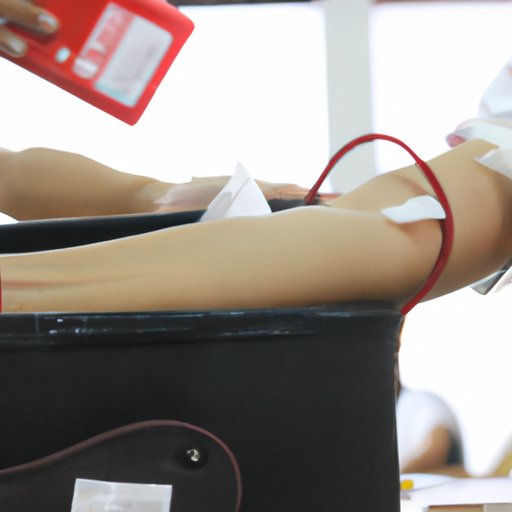
Donating blood can be a great way to help those in need while also taking care of your own health. But many wonder if they can still exercise after giving blood. The answer is yes, but it’s important to understand the potential benefits as well as the safety measures you should take when resuming physical activity after donating blood.

Exploring the Benefits of Exercising After Donating Blood
Exercising after giving blood can provide a number of benefits. Here are some of the most notable ones:
Improved Circulation
When you donate blood, your body has to work hard to replenish the lost red blood cells. This can lead to improved circulation as oxygen-rich blood is pushed throughout your body more efficiently. Improved circulation can help reduce the risk of cardiovascular diseases, improve overall energy levels, and reduce inflammation.
Enhanced Immune System
Exercising after donating blood can also help boost your immune system. When you exercise, your body releases endorphins which can help reduce stress hormones, such as cortisol. Lower stress levels can help your immune system function more efficiently and reduce the chances of getting sick.
Stress Relief
Exercising after donating blood can also be an effective way to reduce stress. Physical activity helps to reduce stress hormones and increase endorphins, which can help improve your mood and reduce anxiety. Regular exercise can also help you develop healthier coping mechanisms for dealing with stressful situations.
Improved Cardiovascular Health
Exercising after donating blood can also help improve your cardiovascular health. Regular physical activity can help strengthen your heart and lungs, which can lead to improved overall health and reduced risk of cardiovascular disease. Additionally, exercising after donating blood may help reduce cholesterol levels, blood pressure, and risk of stroke.
How to Exercise Safely After Giving Blood
It’s important to take certain precautions when exercising after donating blood. Here are some tips to help you stay safe:
Wait 24 Hours Before Resuming Physical Activity
It’s recommended that you wait at least 24 hours before resuming physical activity after donating blood. This gives your body time to recover from the process and replenish lost fluid and electrolytes.
Start With Light Exercise
When you’re ready to start exercising again, it’s best to start off with light exercise. Try low-impact activities such as walking or swimming. These activities can help improve your circulation and reduce the risk of injury.
Monitor Your Blood Pressure
It’s also important to monitor your blood pressure when exercising after donating blood. If you notice any changes in your blood pressure, stop the activity and consult with your doctor.

A Guide to Resuming Physical Activity After Donating Blood
When it comes to exercising after donating blood, there are certain guidelines you should follow to ensure your safety. Here are some tips to keep in mind:
Choose Low-Impact Activities
It’s best to choose low-impact activities when resuming physical activity after donating blood. Low-impact activities such as walking, biking, and swimming can help improve your circulation without putting too much strain on your body.
Drink Plenty of Water
It’s also important to stay hydrated when exercising after donating blood. Make sure to drink plenty of water before, during, and after your workout to help replenish lost fluids and electrolytes.
Avoid Over-Exertion
It’s also important to avoid over-exerting yourself when exercising after donating blood. Listen to your body and take breaks when necessary. Don’t push yourself too hard and stop if you feel dizzy or lightheaded.

What You Need to Know About Working Out After Donating Blood
When it comes to working out after donating blood, it’s important to consider a few things:
Consider a Professional Trainer
If you’re new to exercise or have any concerns about resuming physical activity after donating blood, it’s best to consult with a professional trainer. A trainer can help you create a safe and effective workout plan tailored to your needs.
Listen to Your Body
It’s also important to listen to your body when exercising after donating blood. Take breaks when necessary and don’t over-exert yourself. If you experience any dizziness or lightheadedness, stop the activity and seek medical attention.
Take Breaks When Necessary
Finally, it’s important to take breaks when necessary when exercising after donating blood. Your body needs time to recover and replenish lost fluids and electrolytes. So make sure to take regular breaks and drink plenty of water.
The Do’s and Don’ts of Exercising After Donating Blood
When it comes to exercising after donating blood, there are certain do’s and don’ts you should keep in mind. Here’s what you need to know:
Do: Follow Instructions from Blood Center Staff
Make sure to follow the instructions provided by the staff at the blood center. They can provide you with valuable information regarding the proper steps to take after donating blood.
Do: Allow Yourself Time to Recover
It’s important to give your body time to recover after donating blood. Make sure to wait at least 24 hours before resuming physical activity.
Don’t: Push Yourself Too Hard
When exercising after donating blood, it’s important not to push yourself too hard. Start with light exercise and gradually increase the intensity of your workouts.
Don’t: Engage in High Impact Activities
It’s also important to avoid high impact activities such as running or weight lifting. These activities can put too much strain on your body and increase the risk of injury.
Conclusion
Exercising after donating blood can offer a number of benefits, including improved circulation, enhanced immune system, stress relief, and improved cardiovascular health. However, it’s important to take certain precautions when exercising after donating blood, such as waiting 24 hours before resuming physical activity and monitoring your blood pressure. Finally, it’s important to listen to your body and take breaks when necessary. By following these tips, you can reap the benefits of exercising after donating blood while staying safe.
(Note: Is this article not meeting your expectations? Do you have knowledge or insights to share? Unlock new opportunities and expand your reach by joining our authors team. Click Registration to join us and share your expertise with our readers.)