
Introduction
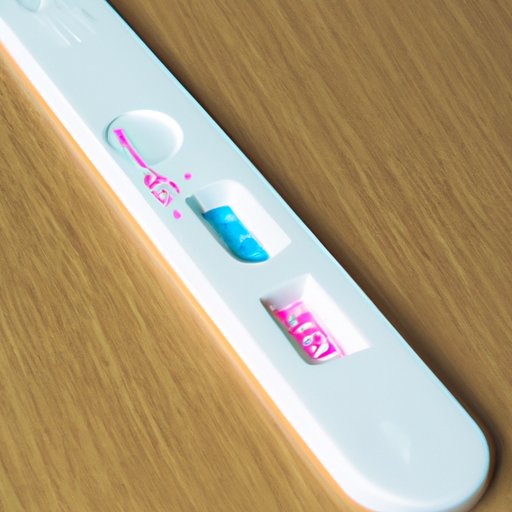
When trying to conceive, many couples want to know how soon they can take a pregnancy test after ovulation. Knowing when is the right time to take a pregnancy test can be confusing and overwhelming, especially when there are so many variables to consider. This article will explore the timing of taking a pregnancy test after ovulation and look at the accuracy of early pregnancy tests.
Understanding the Timing of Taking a Pregnancy Test After Ovulation
Ovulation is the release of an egg from a woman’s ovary during her menstrual cycle. The egg travels down the fallopian tube and is available for fertilization for about 24 hours. Understanding when you are ovulating can help you determine when is the best time to take a pregnancy test after ovulation.
The timing of when you can take a pregnancy test after ovulation depends on several factors, including the type of test you are using, your menstrual cycle length, and whether or not you have regular cycles. Generally, the earliest you can take a pregnancy test after ovulation is 7-10 days.
How Early Can You Take a Pregnancy Test After Ovulation?
When deciding how soon you can take a pregnancy test after ovulation, there are several factors to consider. First, you should consider the type of pregnancy test you are using. Most home pregnancy tests are designed to detect human chorionic gonadotropin (hCG), a hormone produced by the placenta after implantation. hCG levels typically increase rapidly in the first few weeks of pregnancy, but they may not be detectable until one week after implantation. This means that if you take a pregnancy test too early, it may not be accurate.
You should also consider the length of your menstrual cycle. If your cycle is shorter than 28 days, you may be able to take a pregnancy test sooner than if your cycle is longer. Additionally, if you have irregular cycles, it may be difficult to predict when you ovulated and thus when to take a pregnancy test.
Taking a pregnancy test too early could lead to inaccurate results, especially if the test is taken before enough hCG has been produced. On the other hand, waiting too long to take a pregnancy test could mean that the test is no longer sensitive enough to detect the hormone. It is important to find the right balance between taking the test too early and too late.
When Is the Best Time to Take a Pregnancy Test After Ovulation?
The best time to take a pregnancy test after ovulation is when your period is due. This is usually around two weeks after ovulation. However, if you have irregular cycles, you may need to wait a bit longer. To determine when your period is due, count forward 14 days from the day you ovulated.
Another way to determine when is the best time to take a pregnancy test after ovulation is to use an ovulation predictor kit. These kits measure the levels of luteinizing hormone (LH) in your urine, which increases just before ovulation. By tracking your LH levels, you can predict when you are likely to ovulate and thus when is the best time to take a pregnancy test.
Exploring the Accuracy of Early Pregnancy Tests After Ovulation
The accuracy of early pregnancy tests after ovulation depends on the sensitivity of the test and the amount of hCG present in your body. Most home pregnancy tests are highly sensitive and can detect hCG levels as low as 25 mIU/ml. However, it is important to note that hCG levels vary from person to person, so some tests may be more or less reliable than others.
Generally, the accuracy of early pregnancy tests after ovulation is very high. Most tests are over 99% accurate if used correctly. However, it is important to read the instructions carefully and follow them closely to ensure the most accurate results.
What to Expect When Taking a Pregnancy Test After Ovulation
When taking a pregnancy test after ovulation, you can expect to see either a positive or negative result. A positive result indicates that you are pregnant, while a negative result indicates that you are not pregnant. It is important to remember that a negative result does not always mean that you are not pregnant. If you take the test too early, the hCG levels may not yet be high enough to be detected.
If you get a positive result, you should make an appointment with your doctor to confirm the result. Your doctor will likely order a blood test to check your hCG levels and to determine how far along you are.

Tips for Taking a Pregnancy Test After Ovulation
When taking a pregnancy test after ovulation, there are a few things to keep in mind to ensure accurate results. Make sure to read the instructions carefully and follow them exactly. Also, make sure to take the test at the same time each day. Taking the test at different times of day can affect the accuracy of the results.
It is also important to use a fresh sample for the test. Using a sample that has been sitting out for too long can cause the results to be inaccurate. Additionally, it is important to make sure the test has not expired. Expired tests may give inaccurate results.
Conclusion
Knowing when to take a pregnancy test after ovulation can be tricky. The timing of when you can take a test depends on several factors, including the type of test you are using, your menstrual cycle length, and whether or not you have regular cycles. Generally, the earliest you can take a pregnancy test after ovulation is 7-10 days. The best time to take a pregnancy test after ovulation is when your period is due, or 14 days after ovulation. Early pregnancy tests after ovulation are typically over 99% accurate if used correctly. When taking a pregnancy test after ovulation, make sure to read the instructions carefully and use a fresh sample for the test.
By understanding the timing of taking a pregnancy test after ovulation and being aware of the accuracy of early pregnancy tests, you can better prepare yourself for the results. If you have any questions or concerns, it is best to speak with your doctor or healthcare provider.
(Note: Is this article not meeting your expectations? Do you have knowledge or insights to share? Unlock new opportunities and expand your reach by joining our authors team. Click Registration to join us and share your expertise with our readers.)