
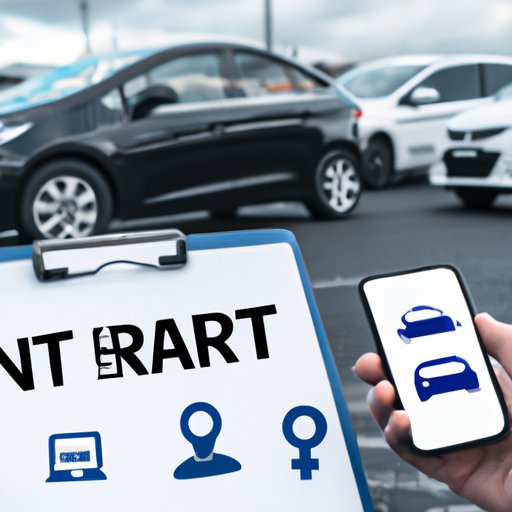
Introduction
A private rental car business can be a lucrative venture. With the right amount of capital and strategic planning, you can create a successful rental car company that provides customers with convenient access to cars they need. Whether you’re renting out luxury sedans or everyday economy cars, starting your own private rental car business requires careful research and planning.

Overview of Private Rental Car Businesses
Private rental car businesses provide customers with access to vehicles for a fee. Unlike ride-sharing services, these companies typically rent out cars for short-term use, such as for weekend trips or one-way journeys. These businesses can range from small, independent operations to large franchises with multiple locations.
According to a report by Grand View Research Inc., the global car rental market is estimated to reach $122.7 billion by 2025. This growth is largely attributed to an increase in business travel and tourism, as well as the growing popularity of ride-sharing services like Uber and Lyft.

Reasons to Start a Private Rental Car Business
There are several advantages to starting a private rental car business. For starters, it can be a great way to generate passive income while providing a valuable service to customers. Additionally, you can choose the types of vehicles you want to offer, as well as the amenities and features you want to include.
Furthermore, a rental car business can provide you with a unique opportunity to build relationships with other local businesses. You may be able to partner with hotels, restaurants, and other attractions to offer discounts and promotions for their customers.
Research the Local Rental Car Market
Before you get started, it’s important to conduct research into the local rental car market. This will help you identify potential opportunities and analyze competition.
Identify Potential Opportunities
Start by researching the local market to determine if there’s a need for another rental car business. Look at factors such as population size, tourism, and local events that could drive demand for rental cars. Consider the types of vehicles that are in demand and the price points that customers are willing to pay.
You should also look at existing rental car businesses in the area and assess how you can differentiate yourself from the competition. For example, you might consider offering luxury cars or specialized services such as airport pick-up.
Analyze Competition
Next, take a closer look at the competition. Research their pricing structures, customer service policies, and other offerings. Pay attention to what customers are saying about them on social media or review sites. This will give you a better understanding of their strengths and weaknesses so you can develop a strategy to set yourself apart.
Create a Business Plan
Once you’ve done your research, it’s time to create a business plan. This document should outline your goals and services, as well as estimate costs and potential profits.
Outline Goals and Services
Start by outlining your goals and services. What type of cars do you plan to offer? How many cars do you want to have in your fleet? What types of amenities and features do you plan to include?
You should also consider the types of customers you want to target. Are you looking to cater to business travelers or tourists? Do you plan to offer long-term rentals or just short-term rentals? Answering these questions will help you create a clear vision for your business.
Estimate Costs
After you’ve outlined your goals and services, you’ll need to estimate costs. This includes startup costs such as licenses and insurance, as well as operational costs such as vehicle maintenance and employee salaries. You should also factor in overhead expenses such as rent, utilities, and marketing.
It’s important to be realistic when estimating costs. According to a survey conducted by the Small Business Administration, the average cost of starting a business is $30,000. This figure can vary depending on the type of business and location.
Acquire Licenses and Insurance
Before you can open your doors, you’ll need to acquire the necessary licenses and insurance coverage.
Determine Necessary Licenses and Permits
First, contact your local government to determine which licenses and permits are required for your business. Depending on your location, you may need to obtain a business license, zoning permit, and/or special event permit. Make sure you understand all applicable laws and regulations before you start operating.
Get Appropriate Insurance Coverage
Next, you’ll need to purchase adequate insurance coverage. This should include liability insurance to protect you in case of accidents or injuries. You may also want to consider additional coverage such as collision and comprehensive insurance.
Develop a Marketing Strategy
Once you’ve acquired the necessary licenses and insurance, it’s time to develop a marketing strategy. This will help you attract customers and grow your business.
Establish an Online Presence
Start by establishing an online presence. This includes creating a website and setting up social media accounts. On your website, make sure to include information about your services, pricing, and contact information. Your social media accounts should be used to engage with customers, share updates, and promote special offers.
You should also consider optimizing your website for search engines. This will help ensure that potential customers can easily find your business when searching for rental car services in your area.
Use Traditional Advertising
In addition to digital marketing, you should consider using traditional advertising methods such as print ads, radio spots, and television commercials. These can be effective ways to reach a wider audience, particularly if you’re targeting local customers.
Network with Other Businesses
Finally, don’t forget to network with other local businesses. Partnering with hotels, restaurants, and attractions can be a great way to get more exposure and drive more business. You may even be able to offer discounts and promotional packages to customers who book through these partners.
Purchase or Lease Vehicles
Once you’ve developed a marketing strategy, it’s time to purchase or lease vehicles for your business. When choosing vehicles, make sure to select the right types for your target customers. You should also equip them with necessary features and amenities, such as GPS navigation systems and child safety seats.
Conclusion
Starting a private rental car business requires careful research and planning. By following the steps outlined in this guide—researching the local market, creating a business plan, acquiring licenses and insurance, developing a marketing strategy, and purchasing or leasing vehicles—you can set yourself up for success.
(Note: Is this article not meeting your expectations? Do you have knowledge or insights to share? Unlock new opportunities and expand your reach by joining our authors team. Click Registration to join us and share your expertise with our readers.)