

Introduction
Leadership is an essential element of any organization’s success. It is the ability to inspire, motivate, and direct others towards a common goal. A leader must be able to create a vision for the future, set objectives, and manage resources in order to achieve them. But not all leaders are created equal; there are various types of leadership styles that can be used to effectively lead an organization.
In this article, we will explore the different types of leadership styles, their characteristics, and how they can be applied to different situations. We will also discuss the pros and cons of each style, as well as the impact of leadership styles on organizational performance.
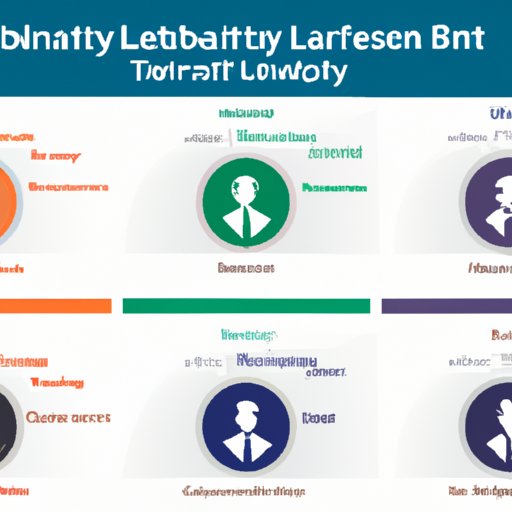
Analyze the Different Types of Leadership Styles and Their Benefits
There are four main types of leadership styles: autocratic, democratic, charismatic, and transformational. Each style has its own unique characteristics and benefits, and can be used in different situations depending on the goals of the organization.
Autocratic Leadership
Autocratic leadership is a top-down approach where the leader has complete authority and makes all decisions without consulting team members. This style of leadership is often seen in military or authoritarian organizations, where the leader’s orders must be followed without question. Autocratic leadership can be effective in situations where quick decisions need to be made or when there is no time for debate or discussion.
Democratic Leadership
Democratic leadership is a collaborative approach where the leader encourages input from team members and encourages open communication. This style of leadership fosters creativity and problem-solving, as team members are encouraged to share their ideas and opinions. Democratic leadership is often seen in workplaces that value teamwork and collaboration, such as tech companies.
Charismatic Leadership
Charismatic leadership is a highly visible style of leadership, where the leader is seen as a source of inspiration and motivation. Charismatic leaders use their personal charm and charisma to influence others and inspire them to take action. Charismatic leadership is often seen in political campaigns, where the leader’s charisma can help sway public opinion.
Transformational Leadership
Transformational leadership is a style of leadership that focuses on inspiring and motivating team members to reach their full potential. Transformational leaders are seen as role models, who set an example for their followers to follow. Transformational leadership is often seen in organizations that value innovation and creativity, such as start-ups.
Examine the Role of a Leader in Different Situations
Leaders must be able to adapt their style to different situations. For example, during times of change, leaders must be able to motivate and inspire their team to embrace the new direction. During conflict, leaders must be able to mediate and resolve disagreements in a constructive manner. And when results are needed, leaders must be able to set clear goals and hold their team accountable.
Explore the Impact of Leadership Styles on Organizational Performance
The way a leader leads can have a direct impact on the performance of an organization. Different leadership styles can affect employee morale, engagement, and productivity, as well as overall organizational performance.
Autocratic Leadership
Autocratic leadership can be effective in certain situations, but it can also be detrimental to an organization. According to research conducted by Harvard Business School, autocratic leadership is associated with lower levels of employee engagement and job satisfaction, which can lead to decreased performance and productivity.
Democratic Leadership
Democratic leadership can have a positive effect on employee engagement and job satisfaction. Research conducted by the University of Michigan found that employees in organizations with democratic leadership styles had higher levels of job satisfaction and were more likely to stay with the organization.
Charismatic Leadership
Charismatic leadership can be effective in motivating team members and inspiring them to take action. However, research conducted by Stanford University found that charismatic leaders can also be prone to overconfidence, which can lead to poor decision making and decreased organizational performance.
Transformational Leadership
Transformational leadership can have a positive effect on organizational performance. According to research conducted by the University of Pennsylvania, transformational leadership is associated with increased employee engagement, higher levels of job satisfaction, and improved organizational performance.

Compare and Contrast Autocratic and Democratic Leadership Styles
Autocratic and democratic leadership styles are two of the most common styles of leadership. While both styles can be effective, they have some key differences that should be considered when choosing a style.
Autocratic Leadership
Autocratic leadership is a top-down approach where the leader makes all decisions without consulting team members. This style of leadership is often seen in military or authoritarian organizations, where the leader’s orders must be followed without question. Autocratic leadership can be effective in situations where quick decisions need to be made or when there is no time for debate or discussion.
Democratic Leadership
Democratic leadership is a collaborative approach where the leader encourages input from team members and encourages open communication. This style of leadership fosters creativity and problem-solving, as team members are encouraged to share their ideas and opinions. Democratic leadership is often seen in workplaces that value teamwork and collaboration, such as tech companies.
Discuss the Pros and Cons of Charismatic Leadership
Charismatic leadership is a style of leadership that relies on the leader’s personal charm and charisma to influence and inspire others. While this style of leadership can be effective in certain situations, there are also some drawbacks that should be considered.
Pros
Charismatic leadership can be effective in motivating team members and inspiring them to take action. Charismatic leaders are also often seen as role models, who set an example for their followers to follow.
Cons
Research conducted by Stanford University found that charismatic leaders can be prone to overconfidence, which can lead to poor decision making and decreased organizational performance. Additionally, charismatic leaders may be seen as too “charismatic”, which can lead to resentment among team members.
Investigate the Relationship between Effective Leadership and Employee Engagement
Employee engagement is a key factor in organizational performance. Engaged employees are more productive, more creative, and more likely to stay with the organization. Leaders play an important role in engaging and motivating employees, and understanding the relationship between effective leadership and employee engagement is essential for any successful organization.
The Importance of Engaging Employees
Engaged employees are more productive and more likely to remain loyal to the organization. According to research conducted by Gallup, organizations with engaged employees outperform those with disengaged employees by up to 202%.
The Role of Leaders in Engaging Employees
Leaders have a direct impact on employee engagement. Leaders who create a culture of trust, respect, and open communication are more likely to engage and motivate their employees. Additionally, leaders who provide feedback and recognition are more likely to engage their team members.
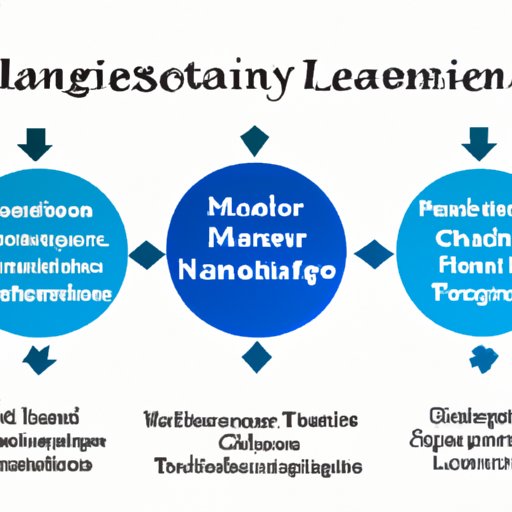
Assess the Impact of Transformational Leadership on Organizational Change
Transformational leadership is a style of leadership that focuses on inspiring and motivating team members to reach their full potential. Transformational leaders are seen as role models, who set an example for their followers to follow. The impact of transformational leadership on organizational change can be significant, as it encourages team members to embrace change and think outside the box.
Understanding Transformational Leadership
Transformational leadership is based on the idea that leaders should inspire and motivate their team members to reach their full potential. Transformational leaders emphasize self-development and encourage team members to take risks and think creatively.
The Impact of Transformational Leadership on Change
Transformational leadership can have a positive impact on organizational change. According to research conducted by the University of Texas, transformational leadership is associated with increased innovation, higher levels of employee engagement, and improved organizational performance.
Conclusion
Leadership styles have a direct impact on organizational performance. Different leadership styles can be used in different situations, and understanding the characteristics and benefits of each style is essential for any successful organization. Autocratic, democratic, charismatic, and transformational leadership styles all have their own unique advantages and disadvantages, and understanding how they can be applied to different situations is essential for any successful leader.
In conclusion, there is no one-size-fits-all approach to leadership. Leaders must be able to adapt their style to different situations, and understand the impact of their leadership style on organizational performance. Understanding the different types of leadership styles and their benefits is essential for any successful organization.
(Note: Is this article not meeting your expectations? Do you have knowledge or insights to share? Unlock new opportunities and expand your reach by joining our authors team. Click Registration to join us and share your expertise with our readers.)