
Introduction
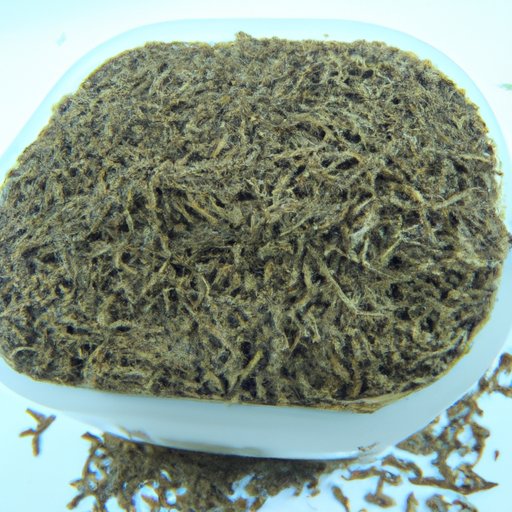
Cumin is an aromatic, earthy spice that has been used for centuries in a variety of cuisines around the world. It comes from the dried seed of the Cuminum cyminum plant, which is native to Egypt and India. The seeds are usually ground into a powder and used as a seasoning in dishes such as curries, stews, soups, and salads.
In addition to being a flavorful ingredient, cumin is also highly nutritious. It contains several essential vitamins, minerals, and other compounds that provide numerous health benefits. In this article, we’ll take a closer look at the nutritional value of cumin and explore how it can enhance your diet.

Review of Essential Nutrients Found in Cumin
Cumin is a good source of protein, fats, carbohydrates, vitamins, and minerals. Here’s a brief overview of the essential nutrients found in cumin:
- Protein: One tablespoon of cumin contains approximately 1.8 grams of protein.
- Fats: Cumin contains small amounts of healthy fats, including omega-3 fatty acids.
- Carbohydrates: A single tablespoon of cumin contains approximately 6.7 grams of carbohydrates, including dietary fiber.
- Vitamins and Minerals: Cumin is an excellent source of several essential vitamins and minerals, including iron, magnesium, calcium, potassium, vitamin A, and vitamin C.

A Guide to the Nutritional Benefits of Cumin
Cumin is packed with essential nutrients that provide a variety of health benefits. Here are some of the most notable benefits of cumin:
- Improved Digestion: Cumin is known for its ability to aid digestion by stimulating the secretion of digestive enzymes. It can also help relieve symptoms of indigestion, such as bloating, gas, and stomach cramps.
- Reduced Risk of Diabetes: Studies have shown that regular consumption of cumin may lower blood sugar levels and reduce the risk of type 2 diabetes.
- Heart Health Benefits: Cumin may help reduce cholesterol levels, lower blood pressure, and improve blood circulation, all of which can help protect against heart disease.
- Anti-inflammatory Properties: Cumin contains compounds that have anti-inflammatory properties, which may help reduce inflammation in the body.
- Cancer Prevention: Studies have suggested that cumin may help prevent certain types of cancer, including breast cancer and colon cancer.
An Overview of Cumin’s Nutritional Profile
In terms of its nutritional profile, cumin is an excellent source of both macronutrients and micronutrients. Here’s a breakdown of the macronutrients found in one tablespoon (about 5 grams) of cumin:
- Protein: 1.8 grams
- Fat: 0.6 grams
- Carbohydrates: 6.7 grams
- Fiber: 1.9 grams
Cumin is also a good source of several essential vitamins and minerals, including iron, magnesium, calcium, potassium, vitamin A, and vitamin C. One tablespoon of cumin contains approximately 11% of your daily recommended intake of iron, 8% of your daily recommended intake of magnesium, and 5% of your daily recommended intake of calcium.
How Cumin Enhances Your Diet
Cumin adds flavor and depth to a variety of dishes, making it a popular ingredient in many cultures. It can be used in both sweet and savory dishes, such as curries, stews, soups, salads, and even desserts. You can also sprinkle cumin on roasted vegetables or add it to sauces and marinades.
Cumin is also known for its health benefits, which make it an ideal addition to any diet. It’s an excellent source of essential vitamins and minerals, and it contains compounds that can help reduce inflammation, lower blood sugar levels, and protect against certain types of cancer.

Exploring the Health Benefits of Cumin
Cumin is loaded with antioxidants and other compounds that provide numerous health benefits. Here are some of the most notable benefits of cumin:
- Weight Loss Benefits: Cumin may help boost metabolism, reduce appetite, and increase fat burning, which can all contribute to weight loss.
- Immune System Support: Cumin is rich in antioxidants, which can help strengthen the immune system and protect against infection and disease.
- Blood Sugar Regulation: Cumin may help regulate blood sugar levels and reduce the risk of type 2 diabetes.
Cumin: The Superfood Spice
Cumin is often referred to as a superfood spice due to its high antioxidant content and its ability to boost the immune system. It’s also high in fiber, which can help promote digestion and reduce the risk of certain diseases. Cumin is an excellent source of essential vitamins and minerals, making it a great addition to any diet.
A Comprehensive Look at the Nutritional Value of Cumin
Cumin is an incredibly nutritious spice that can be used to enhance the flavor of a variety of dishes. It provides numerous health benefits, including improved digestion, reduced risk of diabetes, and protection against heart disease and cancer. Cumin is also an excellent source of essential vitamins and minerals, as well as antioxidants and fiber.
When adding cumin to your diet, it’s important to keep in mind that it can interact with certain medications, so it’s best to consult your doctor before consuming large quantities. Additionally, it’s important to use cumin in moderation, as too much can lead to digestive issues, such as abdominal pain and diarrhea.
Overall, cumin is a flavorful and nutritious spice that can be used to enhance the flavor of a variety of dishes. From soups and stews to salads and roasted vegetables, there are countless ways to incorporate cumin into your diet. With its impressive nutritional profile and numerous health benefits, cumin is an ideal addition to any meal.
Conclusion
Cumin is an aromatic, earthy spice that has been used for centuries in a variety of cuisines around the world. In addition to being a flavorful ingredient, cumin is also highly nutritious. It contains several essential vitamins, minerals, and other compounds that provide numerous health benefits, including improved digestion, reduced risk of diabetes, heart health benefits, anti-inflammatory properties, and cancer prevention.
Cumin is an excellent source of both macronutrients and micronutrients. It’s also high in antioxidants and fiber, making it a great addition to any diet. Whether you’re looking to add flavor to your favorite dishes or reap the health benefits of cumin, this versatile spice is sure to bring something special to the table.
(Note: Is this article not meeting your expectations? Do you have knowledge or insights to share? Unlock new opportunities and expand your reach by joining our authors team. Click Registration to join us and share your expertise with our readers.)