
Introduction
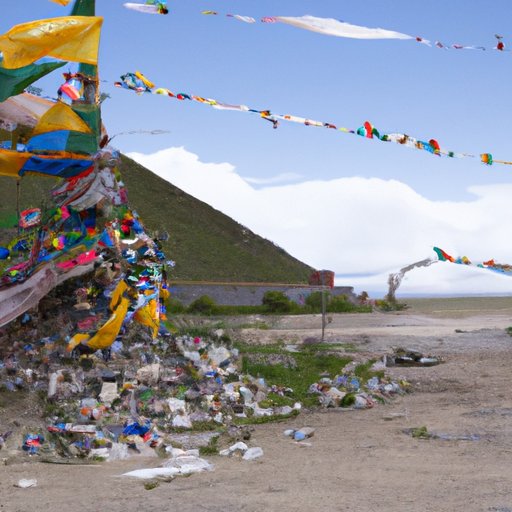
Tibet is an autonomous region of China located in the Himalayan Mountains with a population of around 3.5 million people. It has a long and complex history and a distinct cultural identity, but has been under Chinese control since 1951. Despite attempts at autonomy and independence, Tibet remains under Chinese rule and foreign travelers are subject to strict regulations when attempting to visit. In this article, we will explore why travel to Tibet is so restricted and the potential implications for both locals and tourists.

History of Tibet and Chinese Occupation
The Tibetan Empire was established in the 7th century, and the region had significant autonomy until the mid-20th century. In 1951, Tibet signed a 17-point agreement with China that granted the country certain limited rights, including the right to maintain its own religious and cultural practices. However, this agreement was later disregarded by the Chinese government and in 1959, the Dalai Lama fled to India amidst increasing Chinese control over Tibet.
Since then, China has maintained a strict hold over the region, attempting to suppress any attempts at independence or autonomy. The Chinese government has implemented various policies to control the population and resources of Tibet, such as restricting the number of Tibetan children allowed to attend school, censoring media, and repressing religious freedom. These actions have had a devastating effect on the Tibetan people and culture.

Political Situation in Tibet Today
Tibet remains under Chinese control today, and the political situation is highly volatile. There is a large military presence in the region, and protests against Chinese rule are often met with violence. Foreign visitors to Tibet must obtain special permits from the Chinese government and are closely monitored while they are in the region.
In addition to the political restrictions, foreign travelers are subject to numerous other regulations. Tourists may only visit certain areas, and there are strict limits on the length of stay. Tourists are also not allowed to take photographs or engage in any political activities while in Tibet.
Human Rights Violations in Tibet
The Chinese government’s control over Tibet has led to numerous human rights violations. Religious freedom is severely restricted, and Tibetan Buddhism is heavily censored. Dissent is not tolerated, and those who speak out against the Chinese government are often arrested or even killed. The media is tightly controlled, and access to information is limited.
In addition, the Chinese government has used torture and other forms of abuse to suppress dissent. The use of forced labor is widespread, and many Tibetans are denied basic rights such as the right to a fair trial. Human rights organizations have criticized the Chinese government’s treatment of the Tibetan people, but little progress has been made.
China’s Control Over Access to Tibet
The Chinese government maintains tight control over access to Tibet, and foreign travelers must obtain special permits from the Chinese authorities before they can enter the region. These permits are difficult to obtain, and many travelers are denied without explanation. In addition, travelers are closely monitored while in Tibet, and the Chinese authorities can revoke visas or deny entry at any time.
The Chinese government has also imposed restrictions on the type of travel allowed in Tibet. Tourists may only visit certain areas, and there are tight restrictions on the length of stay. Tourists are not allowed to take photographs or engage in any political activities while in Tibet.
Environmental Impact of Tourism in Tibet
The influx of tourists to Tibet has had a negative impact on the environment. Unregulated tourism has led to overcrowding, pollution, and destruction of natural habitats. In addition, the lack of infrastructure and services in the region means that tourists often do not have access to proper sanitation, clean drinking water, and other basic amenities.
Tourism has also caused issues with wildlife conservation, as the animals in the area are often disturbed or hunted by tourists. The Chinese government has attempted to address some of these issues by introducing stricter regulations, but the full impact of tourism in Tibet is still unknown.
Economic Implications of Travel Restrictions
The Chinese government’s restrictions on travel to Tibet have had a negative effect on the local economy. Many businesses depend on tourism for their income, and the lack of foreign visitors has had a detrimental effect on these businesses. In addition, the restrictions on foreign travelers have prevented many Tibetans from finding work in the tourism industry.
The restrictions have also hindered the development of infrastructure in the region. Without investment from foreign travelers, the region is unable to improve its roads, schools, and other essential services. This has further hampered the economic growth of Tibet.
Conclusion
Travel to Tibet is heavily restricted by the Chinese government due to its political situation and human rights violations. This has had a profound effect on the local economy, environment, and residents of Tibet. The Chinese government must loosen its grip on the region if it is to improve the lives of the Tibetan people and allow foreign travelers to experience the unique culture and beauty of Tibet.
(Note: Is this article not meeting your expectations? Do you have knowledge or insights to share? Unlock new opportunities and expand your reach by joining our authors team. Click Registration to join us and share your expertise with our readers.)