
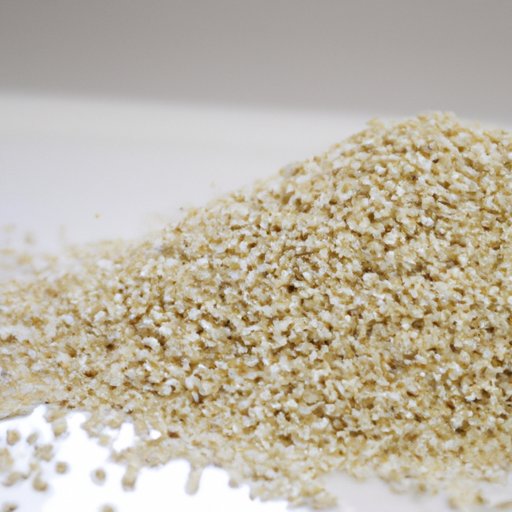
Introduction
In recent years, there has been an increasing interest in plant-based diets and superfoods as a way to improve overall health. One of these superfoods is white quinoa, a type of whole grain that is gaining popularity due to its high nutritional value and versatility. But is white quinoa actually healthy? In this article, we will explore the various nutritional benefits of white quinoa, as well as some potential risks associated with eating it.

Exploring the Health Benefits of White Quinoa
White quinoa is a gluten-free whole grain that is rich in protein, fiber, and essential vitamins and minerals. It is also low in calories, making it an ideal choice for those looking to watch their weight. Additionally, white quinoa has a mild, nutty flavor that makes it a great addition to salads, soups, and other dishes.
The health benefits of white quinoa are vast and varied. Studies have shown that quinoa can help reduce cholesterol levels, lower blood pressure, and even improve digestive health. Additionally, quinoa is a good source of magnesium, which may help protect against heart disease, diabetes, and even cancer. Finally, white quinoa is packed with antioxidants, which can help protect against oxidative damage caused by free radicals.
While white quinoa does offer many potential health benefits, it is important to be aware of any potential risks associated with eating it. Quinoa contains phytic acid, which can interfere with the absorption of certain minerals like iron and zinc. Additionally, quinoa is a high-calorie food, so it should be eaten in moderation if you’re trying to lose weight.
Unpacking the Nutrition Facts of White Quinoa
White quinoa is a nutrient-dense food that provides a variety of essential vitamins and minerals. Here is a breakdown of the nutrition facts for one cup (185 grams) of cooked white quinoa:
- Calories: 222 calories
- Carbohydrates: 39 grams
- Protein: 8 grams
- Fat: 3.6 grams
- Vitamins and minerals: Vitamin B6, folate, magnesium, manganese, phosphorus, iron, zinc, potassium, and selenium
White quinoa is considered to be a complete protein, meaning it contains all nine essential amino acids. It is also high in fiber, which can help keep you full and promote regular bowel movements. Additionally, white quinoa is a good source of several vitamins and minerals, such as iron, zinc, and potassium.
Is White Quinoa Better Than Other Types?
White quinoa is just one type of quinoa available, with red and black varieties also available. Each type of quinoa has its own unique flavor and texture. Red quinoa is slightly crunchier than white quinoa, while black quinoa is softer and chewier. Nutritionally, all three types of quinoa are very similar, with only minor variations in the amounts of certain vitamins and minerals.
When it comes to deciding which type of quinoa is best for you, it really comes down to personal preference. All three types are highly nutritious and can be used interchangeably in recipes. However, white quinoa is often seen as the most versatile option due to its mild flavor and fluffy texture.
What is Unique About White Quinoa?
White quinoa is unique in that it can be used in a variety of ways. It can be served as a side dish, added to salads or soups, or used as a base for stir-fries and grain bowls. Additionally, white quinoa can also be used as a substitute for rice in dishes like risotto or pilaf. It can also be used to make delicious desserts, such as quinoa cookies or quinoa pudding.
White quinoa also differs from other types of quinoa in the way it is cooked. While red and black quinoa are typically cooked using the absorption method (adding liquid and simmering until the liquid is absorbed), white quinoa is usually cooked using the boiling method (adding liquid and bringing it to a boil). This cooking method helps to create a fluffier texture.

How to Incorporate White Quinoa Into Your Diet
White quinoa is a delicious and nutritious superfood that can easily be incorporated into your diet. To get started, try adding it to salads, soups, and stir-fries. You can also use it as a base for grain bowls or as a substitute for rice in dishes like risotto or pilaf. For dessert, try making quinoa cookies or quinoa pudding.
When incorporating white quinoa into your diet, it is important to remember that it is a high-calorie food. As such, it should be eaten in moderation. Additionally, it is best to pair white quinoa with healthy fats, lean proteins, and vegetables to ensure that you are getting a balanced meal.

Comparing White Quinoa To Other Superfoods
White quinoa shares many similarities with other superfoods, such as chia seeds, flaxseeds, and oats. All of these foods are rich in nutrients and provide a variety of health benefits. Additionally, they can all be used in a variety of recipes and are easy to incorporate into your diet.
However, white quinoa does have some key differences from these other superfoods. For example, it is higher in protein and fiber than chia seeds, flaxseeds, and oats. Additionally, white quinoa is gluten-free, unlike oats. Finally, white quinoa can be cooked using either the boiling or absorption method, whereas chia seeds, flaxseeds, and oats are typically cooked using the absorption method.
Conclusion
White quinoa is a nutritious and versatile superfood with numerous potential health benefits. It is high in protein, fiber, and essential vitamins and minerals, and is low in calories. Additionally, white quinoa has a mild flavor and can be used in a variety of recipes. When eaten in moderation, white quinoa can be a healthy addition to any diet.
If you’re looking to improve your overall health, adding white quinoa to your diet may be a good place to start.
(Note: Is this article not meeting your expectations? Do you have knowledge or insights to share? Unlock new opportunities and expand your reach by joining our authors team. Click Registration to join us and share your expertise with our readers.)