
Introduction
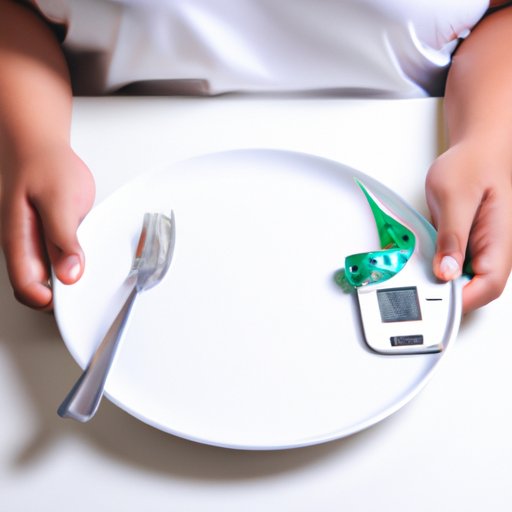
When it comes to weight loss, most people are familiar with the idea of cutting calories to reduce their body fat. But what about the opposite approach – can not eating enough lead to weight gain? This article will explore the link between skipping meals and weight gain, examining the impact of hunger on our bodies and looking at the evidence to determine whether not eating enough makes you fatter.
Exploring the Impact of Skipping Meals on Weight Gain
There is an undeniable connection between hunger and weight gain. When we feel hungry, our bodies experience cravings for food that can be difficult to resist. We may turn to high-calorie snacks, sugary treats, or processed foods in order to satisfy these cravings, leading to an increase in caloric intake and ultimately, weight gain.
The relationship between starvation and obesity is also worth exploring. Starvation mode is a term used to describe the body’s response to severe calorie restriction. In this state, the body begins to hoard energy and store fat as a way to protect itself from further depletion. This can lead to a vicious cycle, where overeating in response to hunger leads to further weight gain.
Finally, the effects of undereating on body fat should not be overlooked. Undernourishment can lead to hormonal imbalances, which can cause the body to hold onto fat stores. As well, insufficient nutrition can lead to muscle loss, which can make it harder to burn off excess fat.

Examining the Pros and Cons of Fasting as a Weight Loss Method
Fasting has become increasingly popular as a weight loss method in recent years, and some people swear by its effectiveness. But what are the pros and cons of using fasting to lose weight?
One of the main benefits of fasting is the potential to reduce caloric intake. By limiting the amount of time available to eat each day, it becomes easier to control portion sizes, leading to fewer calories consumed overall. Additionally, long-term fasting has been shown to improve metabolic health, reducing insulin levels and helping to regulate blood sugar.
However, fasting is not without its risks. For one thing, prolonged periods of fasting can lead to nutrient deficiencies and dehydration. It can also be difficult to maintain the motivation to fast over long periods of time, and many people find themselves binge eating once they break their fast. Finally, fasting is not suitable for everyone, and those with certain medical conditions should consult their doctor before attempting it.
Does Not Eating Make You Fatter? An Evidence-Based Analysis
So, does not eating make you fatter? To answer this question, it’s important to look at the evidence. Studies have found that skipping meals can lead to weight gain in the short term, as people tend to compensate for missed meals with higher-calorie snacks and larger portions later on. However, the long-term effects of skipping meals on weight are less clear. Some studies suggest that skipping meals can lead to a decrease in body fat over time, while others have found no significant difference between those who skip meals and those who don’t.
Overall, the evidence suggests that skipping meals is unlikely to have a major impact on body weight. While it may lead to short-term weight gain, it is unlikely to have a lasting effect. Those hoping to lose weight should focus on making sustainable lifestyle changes such as increasing physical activity and following a balanced diet.
Conclusion
In conclusion, there is no clear evidence to suggest that not eating enough makes you fatter. While skipping meals can lead to short-term weight gain, it is unlikely to have a lasting effect. The key to successful weight loss is to make sustainable lifestyle changes, such as exercising regularly and following a healthy diet.
(Note: Is this article not meeting your expectations? Do you have knowledge or insights to share? Unlock new opportunities and expand your reach by joining our authors team. Click Registration to join us and share your expertise with our readers.)