
Introduction
Having a confident dog is important for their overall health and wellbeing. Building your dog’s confidence can help them learn new things, have better relationships with other dogs and people, and be more relaxed in different environments. But knowing where to start when it comes to building your dog’s confidence can be tricky.
Confidence building in dogs is the process of teaching them skills and behaviors that help them feel secure and comfortable in new situations. By following some simple tips, you can help your dog become more confident and better able to cope with unfamiliar experiences.
Socialize Your Dog Regularly
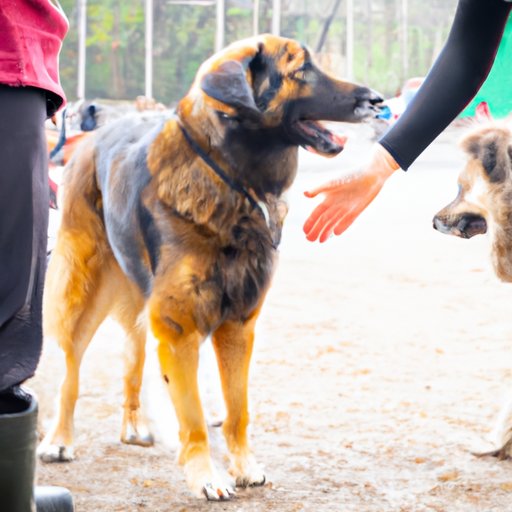
One of the most important steps to building your dog’s confidence is socializing them regularly. Socializing your dog means exposing them to different people, animals, places, sounds, and smells. This helps them get used to new experiences, which can make them more confident and relaxed in the long run.
The benefits of socialization include improved behavior around other dogs, increased confidence in new situations, and better communication between humans and their pet. Additionally, socializing your dog can help reduce their stress levels and make them less likely to develop anxiety or fear-based behaviors.
To socialize your dog, start by introducing them to new people and places slowly and gradually. For example, if you’re taking them to a park, start by walking around the perimeter and allowing them to get used to the environment before moving closer to other people and animals. You can also take your dog to pet-friendly stores, outdoor cafes, and pet-friendly events such as festivals and parades.
Introduce New Experiences Gradually
When introducing your dog to new experiences, it’s important to break down big challenges into smaller steps. For example, if you’d like to take your dog on a hike, start by taking them on short walks around the neighborhood. Once they’re comfortable with that, you can gradually increase the distance and difficulty of each walk.
It’s also important to give your dog time to adjust to new situations. Don’t rush them into something they’re not ready for – instead, give them plenty of time to explore and investigate their surroundings. If they seem anxious or overwhelmed, take a break and let them relax before continuing.
Use Positive Reinforcement Training
Positive reinforcement training is an effective and humane way to teach your dog new behaviors and build their confidence. This type of training involves rewarding desired behaviors with treats, praise, or other positive reinforcements. It encourages your dog to repeat behaviors that are beneficial for them, while avoiding behaviors that are not.
For example, if you want your dog to sit, you can reward them with a treat every time they do so. Over time, they will learn that sitting is a desirable behavior and will be more likely to do it when asked. You can use positive reinforcement training to teach your dog new behaviors, such as coming when called, walking on a leash, and staying off furniture.
Avoid Punishment-Based Training
Punishment-based training is an outdated and ineffective method of training dogs. This type of training involves punishing unwanted behaviors with verbal reprimands, physical punishments, or other negative reinforcements. This can lead to negative associations with certain activities or experiences, which can make your dog fearful or anxious.
Rather than punishment-based training, focus on using positive reinforcement and rewards to encourage desired behaviors. This will allow your dog to learn more quickly, and will also help them to stay relaxed and confident in new situations.
Create a Safe Space for Your Dog
Creating a safe space for your dog is essential for building their confidence. A safe space should be a place where your dog feels relaxed and secure, and where they can go to escape from stressful or overwhelming situations.
At home, create a quiet area for your dog where they can sleep and rest without being disturbed. Make sure the area is free from loud noises, bright lights, and other distractions. When taking your dog out for walks, stick to familiar routes and avoid busy streets or areas that may be too stimulating.
Provide Mental Stimulation
Mental stimulation is an important part of building your dog’s confidence. Providing your dog with puzzles, toys, and other interactive activities can help keep them engaged and entertained, while also helping them to learn new skills and behaviors.
Examples of mental stimulation include food puzzles, interactive toys, scent games, agility courses, and hide-and-seek. These activities help to stimulate your dog’s mind and can also help to reduce stress and boredom.
Build Up Your Dog’s Physical Strength
Physical exercise is an important part of building your dog’s confidence. Regular exercise helps to build muscle strength, improve coordination, and increase endurance. It can also help to reduce stress and anxiety, and provide an outlet for excess energy.
Examples of exercises for your dog include going for walks, playing fetch, swimming, agility courses, and running. Depending on the breed and age of your dog, you can adjust the intensity and duration of these activities to suit their needs.
Conclusion
Building your dog’s confidence is an important part of keeping them healthy and happy. By following these tips, you can help your dog learn new skills, become more comfortable in unfamiliar situations, and lead a more relaxed and confident life.
Start by socializing your dog regularly, introduce new experiences gradually, use positive reinforcement training, avoid punishment-based training, create a safe space for your dog, provide mental stimulation, and build up their physical strength. With these tips, you can help your dog become more confident and better able to cope with new experiences.
(Note: Is this article not meeting your expectations? Do you have knowledge or insights to share? Unlock new opportunities and expand your reach by joining our authors team. Click Registration to join us and share your expertise with our readers.)