
Introduction
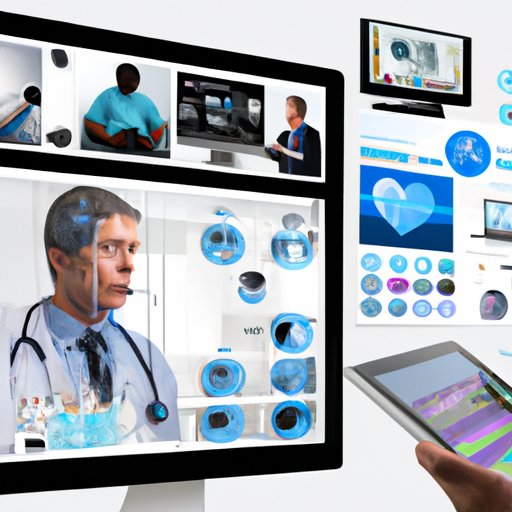
Telehealth is a rapidly growing field of healthcare that utilizes technology to provide medical services from a distance. It allows healthcare providers to diagnose, treat and manage patients remotely, which can improve access to care and reduce costs. In this article, we’ll explore the technology needed for telehealth, the benefits of using it, the types of technology available, the challenges involved in implementing it, and the security considerations to keep in mind.

Benefits of Using Telehealth Technology
Telehealth technology offers a range of benefits to both healthcare providers and their patients. Here are some of the advantages of using telehealth technology:
Improved Access to Care
One of the greatest benefits of telehealth technology is improved access to care. It eliminates the need for patients to travel long distances to visit a healthcare provider, making it easier for them to access the care they need. This is especially beneficial for rural areas, where access to care can be limited.
Increased Efficiency
Telehealth technology also increases efficiency. By eliminating the need for in-person visits, healthcare providers can see more patients in less time. This can help reduce wait times and increase patient satisfaction.
Cost Savings
Finally, telehealth technology can help reduce costs. By reducing the need for in-person visits, healthcare providers can save on overhead costs such as office space and staff. This can lead to lower healthcare costs overall.
Types of Telehealth Technologies
There are a variety of different technologies used in telehealth. Here are some of the most common:
Audio-Visual Technology
Audio-visual technology is one of the most common types of telehealth technology. It includes video conferencing software, webcams, and other technologies that allow healthcare providers to communicate with patients remotely. This type of technology enables healthcare providers to conduct virtual visits with patients, allowing them to observe and interact with patients in real time.
Wearable Devices
Wearable devices are another type of telehealth technology. These devices are worn by patients and collect data such as heart rate, blood pressure, and other vital signs. The data is then transmitted to healthcare providers, who can use it to monitor a patient’s health and make treatment decisions.
Electronic Health Records
Electronic health records (EHRs) are an important part of telehealth technology. EHRs allow healthcare providers to store and share patient information securely, enabling them to access patient data from any location. This makes it easier for healthcare providers to provide remote care.
Challenges of Implementing Telehealth Technology
Although telehealth technology offers many benefits, there are also challenges associated with implementing it. Here are some of the challenges to consider when implementing telehealth technology:
System Compatibility
One challenge of implementing telehealth technology is ensuring that the systems being used are compatible with each other. Healthcare providers must ensure that their systems are compatible with the technology they are using, or else they may experience technical issues.
Training and Education
Another challenge is providing adequate training and education for healthcare providers. Healthcare providers must be properly trained in order to use telehealth technology effectively. This can require additional time and resources.
Regulatory Guidelines
Finally, healthcare providers must adhere to regulatory guidelines when using telehealth technology. These guidelines vary depending on the jurisdiction, so healthcare providers must ensure they are familiar with the laws and regulations in their area.

Security Considerations for Telehealth Technology
When using telehealth technology, it’s important to keep security in mind. Here are some security considerations to keep in mind when using telehealth technology:
HIPAA Compliance
Healthcare providers must ensure that their telehealth technology is compliant with the Health Insurance Portability and Accountability Act (HIPAA). This ensures that patient data is protected and kept secure.
Data Encryption
Data encryption is another important security consideration. Encrypting data ensures that it is unreadable to anyone other than the intended recipient. This helps protect sensitive patient data from being accessed by unauthorized parties.
Cybersecurity Measures
Finally, healthcare providers should take measures to protect their systems from cyberattacks. This includes installing firewalls, using antivirus software, and regularly updating systems and software.

How to Choose the Right Telehealth Technology for Your Practice
When choosing the right telehealth technology for your practice, there are several factors to consider. Here are some tips for choosing the right technology:
Assess Needs & Goals
Before selecting a telehealth technology, you should assess your practice’s needs and goals. Think about the type of care you provide, the number of patients you serve, and the types of services you offer. This will help you determine the type of technology that best fits your needs.
Research & Compare Options
Once you have identified your needs and goals, you should research and compare different options. Look for features such as ease of use, security, and cost. This will help you narrow down your choices and select the best option for your practice.
Evaluate Costs & Resources
Finally, you should evaluate the costs and resources required to implement the technology. Consider the upfront costs as well as the ongoing costs such as maintenance and support. You should also consider the resources required to train staff and manage the technology.
Conclusion
Telehealth technology can offer many benefits to healthcare providers and their patients. It can improve access to care, increase efficiency, and reduce costs. However, there are challenges associated with implementing telehealth technology, including system compatibility, training and education, and regulatory guidelines. Additionally, security considerations such as HIPAA compliance, data encryption, and cybersecurity measures should be taken into account. When selecting the right telehealth technology for your practice, it’s important to assess your needs and goals, research and compare options, and evaluate costs and resources.
(Note: Is this article not meeting your expectations? Do you have knowledge or insights to share? Unlock new opportunities and expand your reach by joining our authors team. Click Registration to join us and share your expertise with our readers.)