
Introduction
Dropshipping is an ecommerce model where a retailer does not keep the products it sells in stock. Instead, the retailer partners with a wholesale supplier or manufacturer who ships the product directly to the customer on behalf of the retailer. This allows the retailer to offer a wide range of products without having to invest in inventory.
Automated dropshipping takes this concept one step further by automating various aspects of the process. By leveraging technology, retailers can streamline operations, reduce costs, and increase efficiency. In this article, we’ll explore the benefits and challenges of automated dropshipping and what to look for when choosing a platform.
Exploring the Benefits of Automated Dropshipping
The most obvious benefit of automated dropshipping is the time savings. By automating certain processes, retailers can free up staff to focus on other tasks. Furthermore, automation helps to reduce human error, which can lead to increased efficiency and accuracy.
Another benefit of automated dropshipping is the potential to reduce operating costs. By automating order fulfillment, inventory management, and customer service, retailers can save money on labor and overhead costs. Additionally, automation can help to reduce shipping costs by allowing retailers to quickly identify and select the best shipping options.
Comparing Manual and Automated Dropshipping
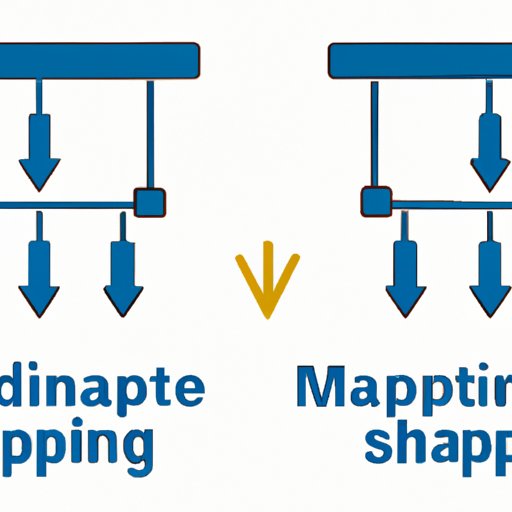
Manual dropshipping requires retailers to manually fulfill orders, manage inventory, and provide customer service. This can be time-consuming and may require additional staff. Furthermore, manual dropshipping can lead to costly mistakes due to human error.
In contrast, automated dropshipping is more efficient and cost-effective. Automation allows retailers to quickly and accurately fulfill orders, manage inventory, and provide customer service. Furthermore, automation can help to reduce shipping costs by identifying the best shipping options.
How Automated Dropshipping Reduces Operating Costs
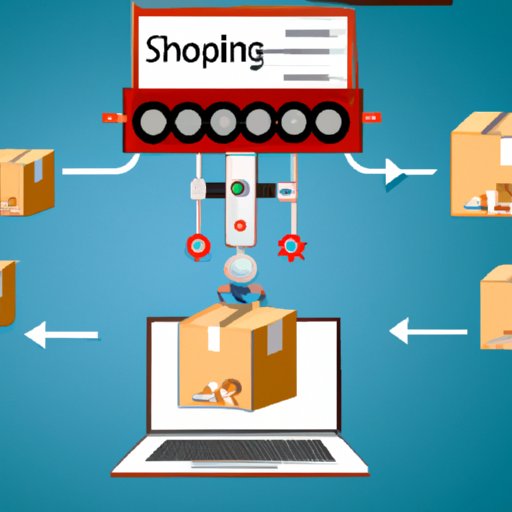
Order fulfillment is one of the most important aspects of any dropshipping business. By automating the order fulfillment process, retailers can save time and money. Automation also ensures that orders are fulfilled quickly and accurately, reducing the risk of errors.
Inventory management is another area where automation can help to reduce costs. Automation can help retailers keep track of inventory levels and ensure that products are always in stock. Automation can also help retailers identify trends and make informed decisions about inventory levels.
Customer service is another key area where automation can help to reduce costs. Automation can help retailers respond quickly and accurately to customer inquiries, reducing the need for additional staff. Additionally, automation can help retailers to identify customer needs and provide personalized experiences.

What to Look for When Choosing an Automated Dropshipping Platform
When choosing an automated dropshipping platform, it’s important to consider several factors. First, the platform should be compatible with existing systems and processes. Additionally, the platform should have a user-friendly interface that is easy to use and understand. Lastly, the platform should be reliable and scalable, so it can grow with the business.
Explaining the Technical Details of Automated Dropshipping
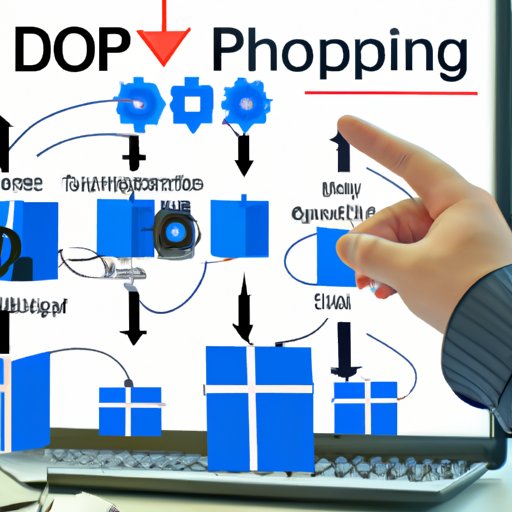
Once you’ve chosen an automated dropshipping platform, you’ll need to set up the technical details. This includes integrating with suppliers, setting up payment processing, and connecting to marketplaces. It’s important to ensure that all of these processes are secure and efficient to ensure a smooth experience for customers.
Analyzing the Pros and Cons of Automated Dropshipping
As with any technology, there are both pros and cons to automated dropshipping. On the plus side, automated dropshipping can save time, reduce costs, and improve efficiency. On the other hand, automation can be expensive and difficult to set up. Additionally, automated dropshipping may not be suitable for all types of businesses.
Examining the Future of Automated Dropshipping
The future of automated dropshipping looks bright. As technology advances, more and more processes can be automated. This could lead to increased efficiency, reduced costs, and improved customer experiences. However, technological advances will also bring new challenges, such as ensuring data security and privacy.
Conclusion
Automated dropshipping offers many benefits, including time savings, increased efficiency, and reduced operating costs. However, it’s important to choose the right platform and understand the technical details before implementing automated dropshipping. As technology advances, automated dropshipping will become even more powerful, but it will also pose new challenges.
(Note: Is this article not meeting your expectations? Do you have knowledge or insights to share? Unlock new opportunities and expand your reach by joining our authors team. Click Registration to join us and share your expertise with our readers.)