
Introduction
Drop shipping is an e-commerce model where you don’t keep any inventory in your own warehouse. Instead, you purchase products from a third-party supplier or manufacturer who then ships items directly to your customers. As the shop owner, you’re responsible for marketing, customer service, and other aspects of running an online store, but you don’t have to handle the physical product. This makes it possible to start an online business with minimal overhead costs.
In this article, we’ll discuss the basics of drop shipping and explain how you can start your own drop shipping business for free. We’ll cover topics like researching the market, finding suppliers, setting up your store, marketing your business, utilizing automation tools, and monitoring your performance.

Research the Basics of Drop Shipping
Before you jump into starting a drop shipping business, it’s important to understand the mechanics of drop shipping and learn about the different types of drop shippers available. You should also analyze the pros and cons of drop shipping to decide if it’s the right business model for you.
Understand the Mechanics of Drop Shipping
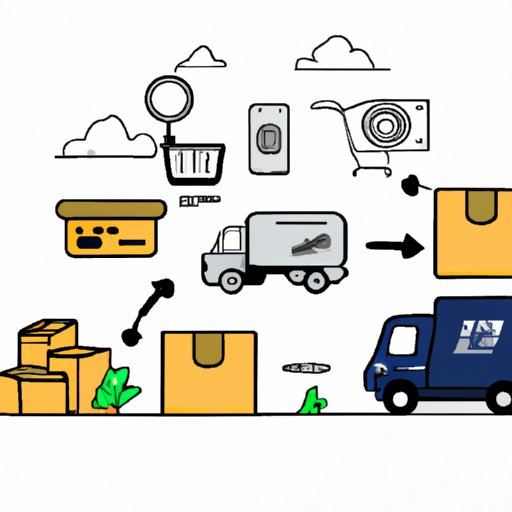
The drop shipping model works by transferring the orders and shipment details from your online store to the supplier. The supplier packages and ships the product directly to the customer. In most cases, you will be responsible for providing customer service and handling returns.
Learn About Different Types of Drop Shippers
There are two main types of drop shippers: manufacturers and wholesalers. Manufacturers are the original source of the product, while wholesalers buy bulk quantities of products from the manufacturer and resell them to retailers. Both types of drop shippers can offer competitive prices and quality products, so it’s important to research each option before making a decision.
Analyze the Pros and Cons of Drop Shipping
Drop shipping has many advantages, such as low startup costs, easy scalability, and no need to manage inventory. However, there are also some potential downsides, including lower profit margins and difficult customer service. It’s important to weigh the pros and cons of drop shipping before launching your business.

Choose a Niche and Product Line
Once you’ve done your research and decided that drop shipping is right for you, it’s time to choose a niche and product line. Consider your target market, research the competition, and select a product line that meets your customers’ needs.
Consider Your Target Market
When choosing a niche, it’s important to think about the type of customer you want to serve. What are their interests and needs? What do they value? Knowing your target market will make it easier to narrow down your product line and create a successful drop shipping business.
Research the Competition
It’s also important to research the competition in your chosen niche. Take a look at what other drop shippers are offering and identify areas where you can stand out. This will help you find a competitive edge and position your business for success.
Select a Product Line
Once you know your target market and understand the competition, it’s time to select a product line. Choose products that appeal to your target audience and offer the features they need. Make sure the products are high quality and reasonably priced.
Source Suppliers and Analyze their Prices
Now it’s time to find reliable suppliers for your product line. Identify potential suppliers, compare prices and quality, and negotiate terms with them. This will ensure you get the best deals and maximize your profits.
Identify Potential Suppliers
Start by searching for potential suppliers online. Look for reputable companies with a track record of delivering quality products on time. You can also search for industry-specific forums and directories to find potential suppliers.
Compare Prices and Quality
Once you’ve identified a few potential suppliers, compare their prices and quality. Make sure you get the best deal possible without compromising on quality. Don’t forget to factor in shipping costs and other fees when evaluating suppliers.
Negotiate Terms with Suppliers
Once you’ve found the right supplier, it’s time to negotiate terms. Discuss payment terms, delivery times, return policies, and other details. Make sure you get the best deal possible and clarify all expectations before signing an agreement.

Set Up Your Online Store
Now it’s time to set up your online store. Select an e-commerce platform, design your store, and add payment methods. Once your store is set up, you can start adding products and preparing for launch.
Select an E-Commerce Platform
There are many e-commerce platforms available, so take your time to find the one that best meets your needs. Consider factors like cost, ease of use, features, and customer support when making your decision.
Design Your Store
Once you’ve selected a platform, it’s time to design your store. Customize the theme, add your logo and branding elements, and create content to engage your visitors. Make sure your store is user-friendly and visually appealing.
Add Payment Methods
Finally, add payment methods to your store. Most e-commerce platforms offer payment gateway integrations, so you can easily accept payments from major credit cards, PayPal, and other payment methods. Make sure you comply with all applicable regulations.
Market Your Business
Now that your store is ready, it’s time to start marketing your business. Use search engine optimization, leverage social media, and work with influencers to reach your target audience and drive sales.
Use Search Engine Optimization
Search engine optimization (SEO) is a great way to increase visibility and attract organic traffic to your store. Optimize your website content, optimize images, and build backlinks to improve your rankings in search results.
Utilize Social Media
Social media is another powerful tool for marketing your business. Create profiles on popular networks like Facebook, Twitter, and Instagram and post regularly to engage your followers. You can also run targeted ads to reach more people.
Leverage Influencers
Influencer marketing is a great way to promote your products and reach new audiences. Identify influencers in your niche and collaborate with them to create content and spread the word about your business.
Utilize Automation Tools
Automation tools can help you save time and streamline your operations. Automate order fulfillment, customer service, and inventory management to reduce manual labor and improve efficiency.
Automate Order Fulfillment
Order fulfillment automation software can help you process orders quickly and accurately. This software can automatically generate packing slips, send tracking information to customers, and update inventory levels in real time.
Automate Customer Service
Customer service automation tools can help you respond to customer inquiries faster and more effectively. These tools can provide answers to frequently asked questions, route inquiries to the right department, and improve the customer experience.
Utilize Inventory Management Software
Inventory management software can help you keep track of stock levels and reorder products when needed. This software can also generate reports to help you analyze sales trends and make informed decisions.
Monitor Your Performance and Re-evaluate
It’s important to monitor your performance and adjust your strategies as needed. Track sales and customer data, analyze results, and re-evaluate your goals and objectives periodically to ensure your business is on the right track.
Track Sales and Customer Data
Use analytics tools to track key metrics like sales, conversions, and customer engagement. This data can help you identify areas for improvement and make adjustments to your strategies.
Analyze Results and Adjust Strategies
Analyze your performance on a regular basis and make changes as needed. If something isn’t working, try a different approach. Experimenting with different strategies and testing new ideas can help you optimize your business and achieve better results.
Re-evaluate Goals and Objectives
Finally, re-evaluate your goals and objectives periodically. Are you meeting your targets? Are there any changes you need to make? Refining your goals and objectives can help you stay focused and ensure you’re on track to achieve your long-term business vision.
Conclusion
Starting a drop shipping business can be a great way to enter the e-commerce world with minimal overhead costs. By understanding the mechanics of drop shipping, researching the market, finding reliable suppliers, setting up your online store, marketing your business, utilizing automation tools, and monitoring your performance, you can start your own drop shipping business for free.
(Note: Is this article not meeting your expectations? Do you have knowledge or insights to share? Unlock new opportunities and expand your reach by joining our authors team. Click Registration to join us and share your expertise with our readers.)