
Introduction
eCommerce has become a popular way for businesses to reach customers in the digital age. But what exactly is eCommerce? How does it work? And what are the benefits of using it? In this article, we’ll explore the definition of eCommerce and its core components, as well as its different types, benefits, and key elements. We’ll also take a look at the history of eCommerce and how businesses can leverage it for success.
Exploring the Definition of eCommerce: What is it and How Does it Work?
At its simplest, eCommerce is defined as “the buying and selling of goods or services over the internet.” This includes activities like online banking, shopping, and any other type of financial transaction made through the web. To better understand eCommerce, let’s break down some of the basic terminology and core components.
Basic Terminology
The term “eCommerce” is short for “electronic commerce.” It’s also sometimes referred to as “internet commerce” or “web commerce.” The terms “online shopping” and “online retail” are often used interchangeably with eCommerce, but they technically refer to the buying and selling of physical goods, while eCommerce encompasses all types of transactions made through the internet.
Core Components
There are four main components that make up the eCommerce process. These include:
- Merchants – The merchant is the seller of the goods and/or services being offered on the eCommerce site.
- Consumers – The consumer is the buyer who purchases the goods and/or services from the merchant.
- Payment gateways – The payment gateway is the system used to process payments between the merchant and the consumer, such as credit card processing.
- Platforms – The platform is the software and infrastructure used to power the eCommerce site, such as web hosting, content management systems, and eCommerce applications.
Types of eCommerce
There are several different types of eCommerce that businesses can use. These include:
- Business-to-Consumer (B2C): Business-to-consumer eCommerce involves the sale of goods and/or services directly from a business to a consumer, such as an online retailer.
- Consumer-to-Consumer (C2C): Consumer-to-consumer eCommerce involves the sale of goods and/or services directly from one consumer to another, such as an online auction site.
- Business-to-Business (B2B): Business-to-business eCommerce involves the sale of goods and/or services from one business to another, such as a wholesale supplier.
- Consumer-to-Business (C2B): Consumer-to-business eCommerce involves the sale of goods and/or services from a consumer to a business, such as freelance services.
A Comprehensive Guide to Understanding eCommerce
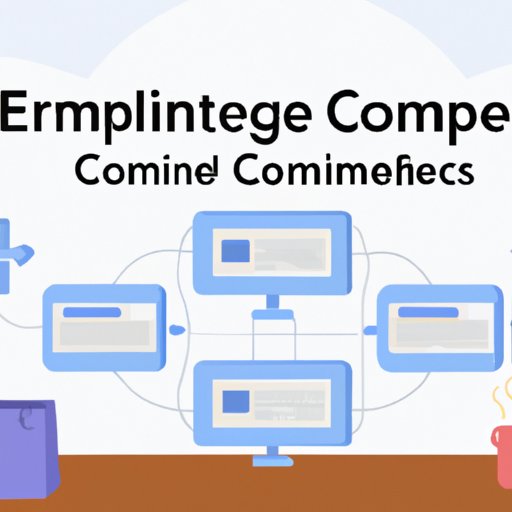
Now that you have a better understanding of the definition of eCommerce and its various types, let’s take a closer look at how businesses leverage it for success. Here’s a comprehensive guide to understanding eCommerce.
Different Types of eCommerce Platforms
One of the most important steps in setting up an eCommerce business is choosing the right platform. There are several different types of eCommerce platforms available, including:
- Self-Hosted: Self-hosted eCommerce platforms provide the tools and infrastructure needed to set up and manage an online store. Popular self-hosted options include WooCommerce, Magento, and Shopify.
- Cloud-Based: Cloud-based eCommerce platforms offer the same features as self-hosted platforms, but they are hosted on the cloud, which means they are easier to scale and maintain.
- Marketplaces: Marketplaces are third-party platforms that allow businesses to list and sell their products. Popular marketplaces include Amazon, eBay, and Etsy.
Analyzing eCommerce Operations
Once you’ve chosen an eCommerce platform, you’ll need to analyze your operations to ensure that everything runs smoothly. This includes tasks like creating product pages, setting up payment systems, and configuring shipping and fulfillment processes. You’ll also need to consider how you’ll manage customer service, inventory, taxes, and other aspects of your business.
An Overview of the Benefits of eCommerce
eCommerce has become a popular choice for businesses because of its many benefits. Here are some of the top advantages of using eCommerce:
Increased Reach
One of the biggest benefits of eCommerce is the ability to reach a larger audience. With an online store, businesses can target customers beyond their local area and even expand into international markets. According to a recent survey by BigCommerce, 75% of online shoppers said they had purchased something from a different country in the past year.1
Cost Savings
Another benefit of eCommerce is the potential cost savings. Setting up and running an online store typically requires less overhead than a traditional brick-and-mortar store, which means businesses can keep costs down and pass those savings on to their customers.
Greater Efficiency
Finally, eCommerce offers greater efficiency for businesses. With automated processes, businesses can streamline operations and focus on more important tasks. Additionally, digital marketing tools can be used to reach customers more quickly and accurately, resulting in increased sales and higher ROI.
An Introduction to eCommerce: How Businesses Leverage it for Success
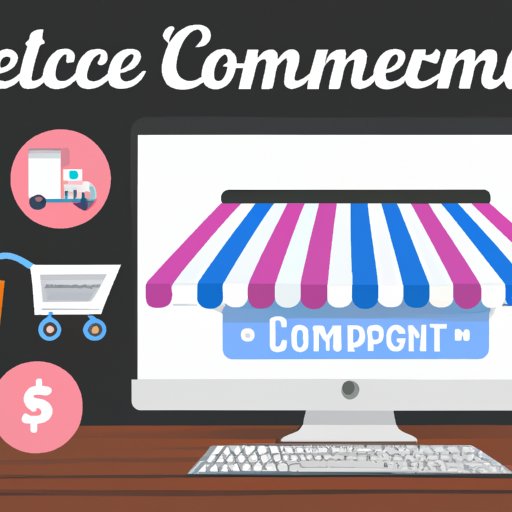
To get the most out of eCommerce, businesses need to understand how to leverage it for success. Here’s an introduction to some of the key steps involved in setting up and optimizing an eCommerce site:
Establishing an Online Presence
The first step in leveraging eCommerce is establishing an online presence. This includes creating a website, setting up social media accounts, and optimizing your content for search engine visibility. Additionally, businesses should consider signing up for online marketplaces and directories to increase their exposure.
Optimizing Your Site
Once you’ve established an online presence, you’ll need to optimize your site for maximum performance. This includes tasks like improving page loading speed, optimizing images, and creating an intuitive navigation structure. Additionally, businesses should consider setting up an analytics system to track user behavior and identify areas of improvement.
Utilizing Digital Marketing
Finally, businesses should leverage digital marketing strategies to promote their eCommerce sites. This includes activities like search engine optimization, pay-per-click advertising, email marketing, and social media marketing. Additionally, businesses should consider utilizing influencers to reach new audiences and create brand awareness.
Unpacking the Basics of eCommerce: What You Need to Know
Before you can start leveraging eCommerce for success, there are a few basics you need to know. Here’s a quick overview of the key elements of eCommerce:
Creating an Effective Website
Building a successful eCommerce site starts with creating an effective website. This includes tasks like choosing the right platform, designing a visually appealing layout, and ensuring that your site is optimized for mobile devices. Additionally, businesses should consider setting up an online store to make it easy for customers to find and purchase products.
Designing a Secure Payment System
To ensure that customers feel safe using your eCommerce site, you’ll need to design a secure payment system. This includes tasks like setting up fraud prevention measures, implementing encryption technology, and selecting a reliable payment processor. Additionally, businesses should consider offering multiple payment options to give customers more flexibility.
Setting Up Logistics
To ensure that orders are fulfilled efficiently, businesses will need to set up logistics. This includes tasks like managing inventory, configuring shipping and returns policies, and setting up order tracking systems. Additionally, businesses should consider partnering with third-party logistics providers to reduce costs and simplify operations.
The History of eCommerce: How It’s Evolved Over Time
eCommerce has come a long way since its humble beginnings. Let’s take a look at the history of eCommerce and how it’s evolved over time.
Early eCommerce
eCommerce dates back to 1971, when the first online transaction was made. Since then, eCommerce has grown exponentially. By 1995, Amazon was born, paving the way for the modern eCommerce landscape we see today.
Recent Developments in eCommerce
In recent years, eCommerce has continued to evolve at a rapid pace. Technologies like artificial intelligence and machine learning are being used to automate processes and improve customer experiences. Additionally, more businesses are turning to social media and influencer marketing to reach new customers.
Examining Key Elements of eCommerce: What Are They and Why Do They Matter?
eCommerce is a complex process that requires businesses to consider a variety of elements. Here’s an overview of some of the key elements of eCommerce and why they matter:
Security
Security is one of the most important elements of eCommerce. Businesses should implement measures like SSL certificates and two-factor authentication to protect customers’ data and ensure that their transactions are secure.
Search Engine Optimization
Search engine optimization (SEO) is essential for businesses looking to succeed in the eCommerce space. SEO helps businesses create content that is optimized for search engines, increasing their visibility and driving more organic traffic to their sites.
User Experience
Finally, businesses should focus on providing a positive user experience. This includes tasks like creating an intuitive navigation structure, optimizing page loading speed, and utilizing visuals to engage customers. Additionally, businesses should strive to provide excellent customer service to ensure that customers have a positive experience with their brand.
Conclusion
In conclusion, eCommerce is defined as “the buying and selling of goods or services over the internet.” There are several different types of eCommerce, including B2C, C2C, B2B, and C2B. To leverage eCommerce for success, businesses need to understand the basics, such as creating an effective website, designing a secure payment system, and setting up logistics. Additionally, businesses should consider the benefits of eCommerce, such as increased reach, cost savings, and greater efficiency. Finally, businesses should understand the key elements of eCommerce, such as security, SEO, and user experience.
By understanding the definition of eCommerce, its various types and components, and its benefits and key elements, businesses can leverage it for success. With the right strategy, businesses can reach new customers, save money, and maximize efficiency.
(Note: Is this article not meeting your expectations? Do you have knowledge or insights to share? Unlock new opportunities and expand your reach by joining our authors team. Click Registration to join us and share your expertise with our readers.)