
Introduction
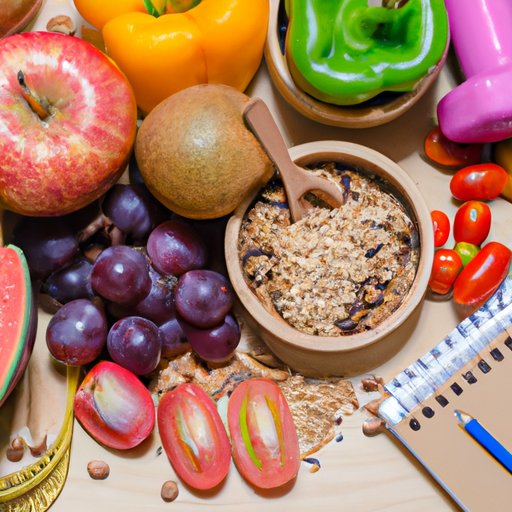
Maintaining a healthy lifestyle is essential for overall well-being. Eating clean and losing weight can help improve physical and mental health, reduce the risk of developing chronic diseases, and increase energy levels. But what does it mean to “eat clean”? And what tips can be used to lose weight in a healthy way? This article will explore the definition of “eating clean” and outline the benefits of eating clean and losing weight. Additionally, this article will provide strategies for how to incorporate healthy foods into your diet and monitor portion sizes. Finally, this article will discuss the importance of regular exercise and provide tips for how to make it part of your routine.

Identify and Remove Unhealthy Foods from Your Diet
The first step in eating clean and losing weight is to identify and remove unhealthy foods from your diet. Examples of unhealthy foods include processed and refined carbohydrates (white bread, white rice, sugary cereals), fried foods, processed meats (bacon, sausages, hot dogs), and sugary snacks and drinks (cookies, candy, soda). These foods are high in calories and low in nutritional value, making them less than ideal for achieving a healthy lifestyle. To remove these foods from your diet, it is important to read nutrition labels and ingredient lists when grocery shopping and pay attention to what you are eating. Additionally, it is helpful to plan ahead and have healthy snacks on hand so that you are not tempted to reach for unhealthy foods.
Increase Your Consumption of Fruits and Vegetables
Fruits and vegetables are an important part of any healthy diet. They are rich in vitamins, minerals, antioxidants, and fiber, which can help promote overall health. Additionally, they are naturally low in calories, making them a great choice for weight loss. To increase your consumption of fruits and vegetables, it is important to incorporate them into meals and snacks. For example, adding a side of steamed broccoli to dinner or snacking on apples or carrots throughout the day can be a great way to get more fruits and vegetables into your diet. Additionally, it is important to try different varieties of fruits and vegetables to ensure you are getting a variety of nutrients.
Eat Whole Grains and High-Fiber Foods
Whole grains and high-fiber foods are also essential for a healthy diet. Whole grains are a great source of complex carbohydrates, which can provide long-lasting energy. Additionally, they are a good source of fiber, which can help keep you feeling full for longer. Examples of whole grains include oats, quinoa, brown rice, and barley. High-fiber foods such as beans, legumes, and nuts are also a great addition to any diet. To incorporate more whole grains and high-fiber foods into your diet, it is important to choose whole grain products such as breads, pastas, and cereals. Additionally, adding legumes and nuts to salads or having a bowl of oatmeal for breakfast can be a great way to get more whole grains and high-fiber foods into your diet.
Incorporate Healthy Fats into Your Diet
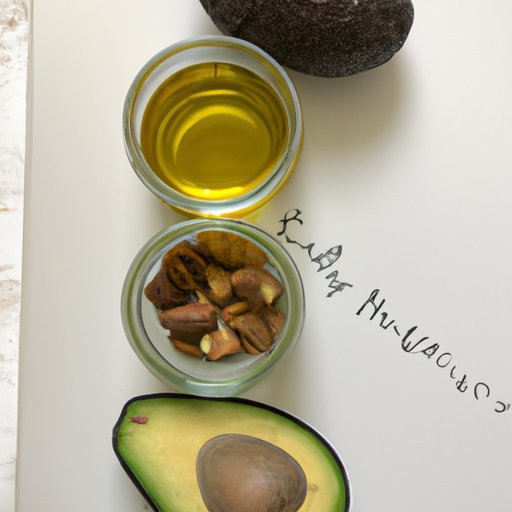
Healthy fats are an important part of a balanced diet. They can help promote heart health, improve brain function, and aid in weight loss. Examples of healthy fats include olive oil, nut butters, avocados, and fatty fish. To add healthy fats to your diet, it is important to choose plant-based oils such as olive oil instead of butter or margarine. Additionally, adding avocado to salads or sandwiches and snacking on nuts and seeds can be a great way to get more healthy fats into your diet.
Monitor Your Portion Sizes
Monitoring portion sizes is essential for eating clean and losing weight. Overeating can lead to weight gain, even if you are eating healthy foods. To ensure you are eating the right amount, it is important to follow guidelines for proper portion sizes. For example, a serving size of meat should be the size of a deck of cards and a serving size of grains should be the size of a tennis ball. Additionally, it is important to use smaller plates and bowls to help control portion sizes. You can also try using visual cues such as measuring cups or food scales to measure portions accurately.
Engage in Regular Exercise
Exercise is an important part of any healthy lifestyle. Regular physical activity can help reduce the risk of developing chronic diseases, improve overall fitness, and aid in weight loss. Additionally, exercise can help relieve stress, boost self-confidence, and improve sleep quality. To incorporate exercise into your routine, it is important to find activities that you enjoy. For example, walking, running, biking, swimming, and yoga are all great forms of exercise that can be enjoyable and beneficial. Additionally, it is important to set realistic goals and start slow. Even just 10 minutes of exercise a day can have positive effects on your health and wellness.
Conclusion
Eating clean and losing weight can have many benefits for your overall health and wellbeing. To achieve these goals, it is important to identify and remove unhealthy foods from your diet, increase your consumption of fruits and vegetables, eat whole grains and high-fiber foods, incorporate healthy fats into your diet, monitor your portion sizes, and engage in regular exercise. By following these steps, you can achieve a healthy lifestyle and reap the rewards of eating clean and losing weight.
(Note: Is this article not meeting your expectations? Do you have knowledge or insights to share? Unlock new opportunities and expand your reach by joining our authors team. Click Registration to join us and share your expertise with our readers.)