
Introduction
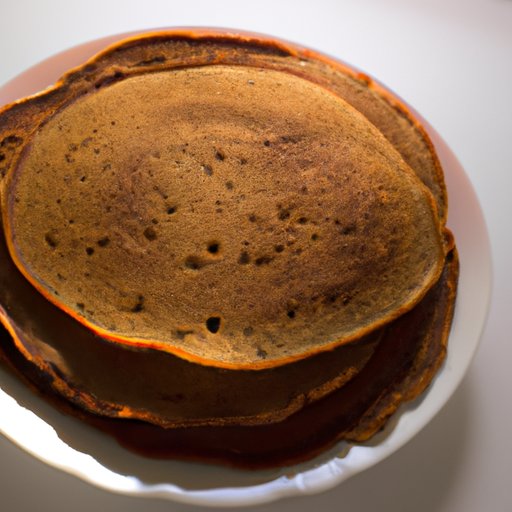
Pancakes are one of the most popular breakfast foods around the world. They are made from a variety of ingredients, including flour, eggs, milk, butter, and sugar. While pancakes can be enjoyed any time of day, they are often eaten for breakfast or as a snack. But is pancakes healthy? This article will explore the nutritional benefits and risks associated with eating pancakes, as well as examining different types of pancakes and their health impact.
Analyzing the Nutritional Benefits of Pancakes
Pancakes provide a variety of macronutrients, including carbohydrates, proteins, and fats. The exact amount of each macronutrient varies depending on the type of pancake and the ingredients used. For example, traditional pancakes contain more carbohydrates than protein, while other types of pancakes may contain more protein than carbohydrates. In addition to macronutrients, pancakes also contain small amounts of vitamins and minerals, such as calcium, iron, magnesium, potassium, and zinc.
Eating pancakes can provide a number of potential health benefits. For instance, the carbohydrates found in pancakes can help fuel your body and provide energy. Furthermore, the vitamins and minerals present in pancakes can help support bone health, boost the immune system, and improve overall health. Finally, the proteins found in pancakes can help build muscle and aid in recovery after physical activity.

Examining Different Types of Pancakes and their Health Impact
There are many different types of pancakes, each with its own unique nutritional profile. Traditional pancakes, for example, are made with all-purpose flour, eggs, milk, butter, and sugar. These pancakes are high in carbohydrates and fat, and have a moderate amount of protein. Other types of pancakes, such as whole wheat pancakes, buckwheat pancakes, and oat pancakes, contain more protein and fiber than traditional pancakes. These types of pancakes are also lower in carbohydrates and fat.
Different types of pancakes can have different potential health benefits and risks. For instance, traditional pancakes are higher in calories and fat than other types of pancakes, which can lead to weight gain if consumed in excess. On the other hand, the higher protein content of other types of pancakes can help promote muscle growth and repair. Additionally, the higher fiber content of these pancakes can help keep you feeling fuller for longer and can aid in digestion.
Exploring Alternatives to Pancakes for a Healthy Diet
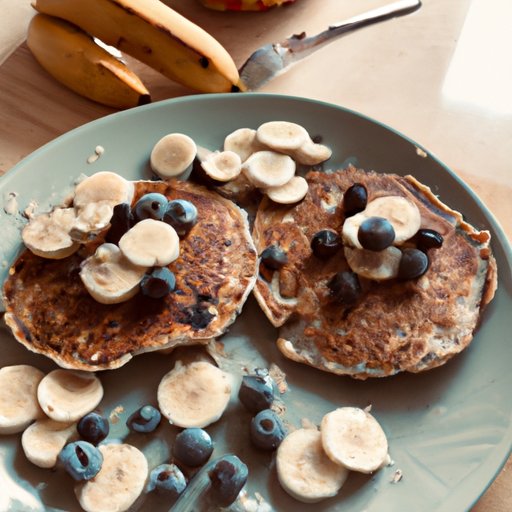
If you’re looking for healthier alternatives to pancakes, there are many options available. Oatmeal is a great option, as it is high in fiber and contains a variety of vitamins and minerals. Other alternatives include egg scrambles, yogurt parfaits, smoothies, and fruit salads. These alternatives can provide similar nutritional benefits to pancakes, but without the added fat and calories.
When comparing pancakes to their alternatives, it’s important to consider the differences between them. For instance, while both pancakes and oatmeal are high in carbohydrates, oatmeal is much higher in fiber than pancakes. Additionally, oatmeal is a whole grain, whereas pancakes are typically made with refined flour. Finally, oatmeal is much lower in fat and calories than pancakes.

Investigating the Pros and Cons of Eating Pancakes
When it comes to determining if pancakes are healthy, it’s important to look at both the potential health benefits and risks associated with eating them. For instance, pancakes can provide a good source of carbohydrates and protein, which can help fuel your body and promote muscle growth. Additionally, pancakes can provide small amounts of vitamins and minerals, which can help support overall health. However, pancakes are also high in fat and calories, which can lead to weight gain if consumed in excess.
It’s also important to consider how pancakes affect different individuals differently. For instance, some people may find that eating pancakes causes digestive issues or increases their risk of developing diabetes. Therefore, it’s important to speak with a healthcare professional before making any drastic changes to your diet.
Evaluating the Health Risks of Pancake Consumption
Despite the potential health benefits of eating pancakes, there are also potential health risks associated with consuming them. For instance, eating too many pancakes can lead to weight gain due to their high calorie and fat content. Additionally, eating pancakes regularly can increase the risk of developing type 2 diabetes and heart disease. Finally, eating pancakes can also lead to digestive issues, such as bloating, gas, and constipation.
It’s also important to consider the long-term health effects of eating pancakes. Eating pancakes on a regular basis can lead to weight gain over time, which can increase the risk of developing chronic diseases such as diabetes and heart disease. Therefore, it’s important to consume pancakes in moderation and to make healthier choices when possible.
Conclusion
In conclusion, pancakes can be a part of a healthy diet, but only if consumed in moderation. Pancakes can provide a good source of carbohydrates, proteins, and vitamins and minerals, which can help fuel your body and support overall health. However, pancakes are also high in fat and calories, which can lead to weight gain if eaten in excess. Additionally, eating pancakes regularly can increase the risk of developing type 2 diabetes and heart disease. Therefore, it’s important to make healthier choices when possible and to speak with a healthcare professional before making any drastic changes to your diet.
Overall, pancakes can be enjoyed as part of a healthy diet, but it’s important to make healthier choices when possible. Choose whole grain pancakes instead of traditional pancakes, opt for low-fat toppings, and limit your portion size to avoid overeating. Additionally, try adding some fresh fruit or vegetables to your pancakes for added nutrition. With these tips, you can enjoy pancakes in moderation and still get the nutritional benefits they provide.
(Note: Is this article not meeting your expectations? Do you have knowledge or insights to share? Unlock new opportunities and expand your reach by joining our authors team. Click Registration to join us and share your expertise with our readers.)