
Introduction
Bitcoin is a form of digital currency that has been gaining popularity in recent years. It was created in 2009 and is considered to be the first decentralized cryptocurrency. Bitcoin is based on a peer-to-peer network and operates without any central authority or middleman. As of 2021, Bitcoin is the largest cryptocurrency by market capitalization, accounting for over 60% of the total market value of all cryptocurrencies.
The cryptocurrency market is highly volatile and unpredictable, making it difficult to determine whether investing in Bitcoin is still a good investment. In this article, we will examine the history of Bitcoin’s price fluctuations, analyze the risks and rewards associated with investing in cryptocurrency, explore the current state of the cryptocurrency market, and investigate the risks associated with investing in Bitcoin.
Examining the Volatility of Bitcoin
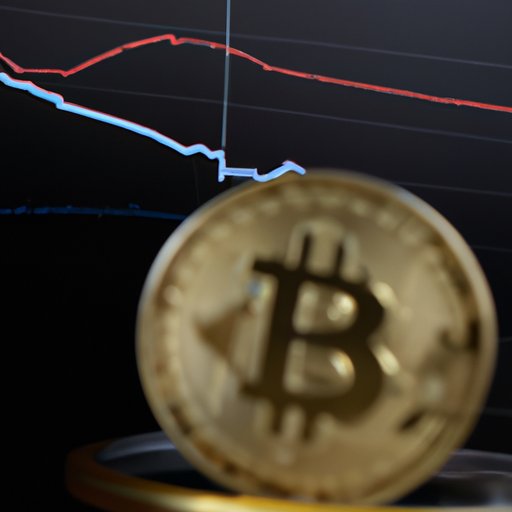
The price of Bitcoin has experienced extreme volatility since its inception. The price of one Bitcoin peaked at nearly $20,000 USD in late 2017, before crashing to just over $3,000 USD in early 2018. Since then, the price of Bitcoin has steadily increased, reaching a new all-time high of over $60,000 USD in April 2021.
Investing in Bitcoin is considered to be a high-risk endeavor due to its volatile nature. While there is the potential to make significant gains, there is also the risk of losing a large amount of money due to the sudden and drastic price fluctuations.
It is important to understand the risks associated with investing in Bitcoin before deciding whether or not it is a good investment. Investors should consider their own financial situation, risk tolerance, and investment goals when determining if Bitcoin is the right investment for them.
Exploring the Current State of the Cryptocurrency Market
The cryptocurrency market is constantly evolving and changing. Bitcoin is currently the largest cryptocurrency by market capitalization, but there are several other cryptocurrencies that may offer greater potential for investors. Ethereum, Litecoin, and Ripple are some of the most popular alternatives to Bitcoin.
When evaluating the potential of any investment, it is important to consider the advantages and disadvantages of investing in the asset. For example, Bitcoin is highly liquid and can be easily traded on exchanges, but it is also subject to extreme price volatility. Other cryptocurrencies may offer more stability and less risk, but may not be as liquid.
Investigating the Risks Associated with Investing in Bitcoin
Investing in any asset carries a certain degree of risk, and this is especially true when investing in Bitcoin. As mentioned earlier, the price of Bitcoin is highly volatile and can experience drastic changes in a short period of time. In addition, Bitcoin is not backed by any government or central bank, meaning it is not protected from inflation.
There are several ways to mitigate the risks associated with investing in Bitcoin. For example, investors can diversify their portfolio by investing in multiple cryptocurrencies, hedge their positions with stop-loss orders, or use dollar-cost averaging to spread out their investments over time.
Conclusion
Investing in Bitcoin can be a risky endeavor due to its extreme volatility and lack of government backing. However, there is still the potential to make significant gains if the price of Bitcoin continues to rise. Investors should carefully consider their own financial situation, risk tolerance, and investment goals before deciding if investing in Bitcoin is the right decision for them.
In conclusion, Bitcoin is still a viable investment option, but investors should be aware of the risks associated with investing in cryptocurrency. By understanding the potential rewards and risks, investors can make an informed decision about whether or not investing in Bitcoin is the right choice for them.
(Note: Is this article not meeting your expectations? Do you have knowledge or insights to share? Unlock new opportunities and expand your reach by joining our authors team. Click Registration to join us and share your expertise with our readers.)