
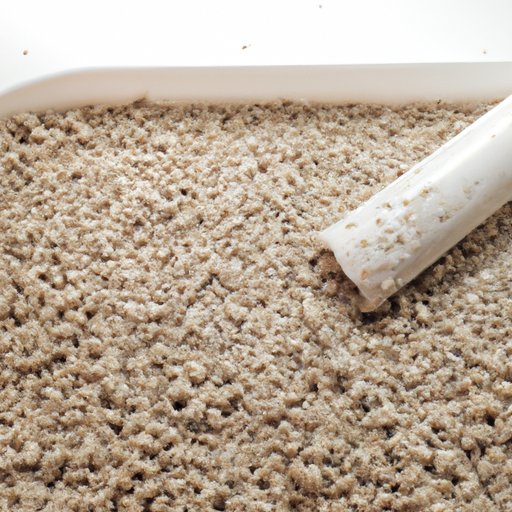
What Cat Litter is Best for Litter Robot? A Comprehensive Guide
Choosing the right cat litter for your litter robot can be a daunting task. With so many different types of cat litter on the market, it’s hard to know which one is the best for your pet’s needs. In this comprehensive guide, we’ll explore the different types of cat litter available, as well as their pros and cons for use in a litter robot. We’ll also look at how to choose the right litter for your needs, and provide a comprehensive guide to finding the best cat litter for use in a litter robot.
Overview of the Problem: What is a Litter Robot and why is it important to choose the right cat litter for it?
A litter robot is a self-cleaning litter box that uses an automated cleaning cycle to scoop out waste and replace it with fresh litter. The litter robot requires the use of a specific type of cat litter, and it’s important to choose the right kind to ensure the litter robot functions properly. Different types of cat litter have different properties that may or may not work well with the litter robot, so it’s important to do some research before making a purchase.
Comparing Different Types of Cat Litter for Use in a Litter Robot
When it comes to choosing the right cat litter for use in a litter robot, there are several factors to consider. The most common types of cat litter include clumping, non-clumping, natural, synthetic, pellet, and crumble litters. Each type has its own unique benefits and drawbacks, so it’s important to understand the differences between them before making a decision.
Clumping vs Non-Clumping Litters
Clumping litters are made from clay or silica gel and form clumps when wet. These clumps are easy to scoop out and dispose of, making them ideal for use in a litter robot. Non-clumping litters, on the other hand, are usually made from wood, paper, or corn and don’t clump when wet. They require more frequent changes than clumping litters, but they’re generally less expensive.
Natural vs Synthetic Litters
Natural litters are usually made from plant-based materials like wood, paper, or corn and are biodegradable. They’re generally more absorbent than synthetic litters, but they may not last as long. Synthetic litters are typically made from clay or silica gel and are more durable than natural litters. However, they’re also more likely to track and may contain chemicals that can be harmful to your cat.
Pellet vs Crumble Litters
Pellet litters are made from small, uniform pellets of clay or silica gel and are designed to trap odors and moisture. They’re often more expensive than other types of litter, but they’re also very absorbent and long-lasting. Crumble litters are made from larger pieces of clay or silica gel and are designed to be lightweight and dust-free. They don’t last as long as pellet litters, but they’re often more affordable.
Exploring the Benefits and Drawbacks of Various Cat Litters for Use in a Litter Robot
Clumping Litters
Clumping litters are the most popular type of litter for use in a litter robot, and for good reason. They’re easy to scoop out and dispose of, and they’re also very absorbent and long-lasting. However, clumping litters can be more expensive than other types of litter, and they can also track easily.
Non-Clumping Litters
Non-clumping litters are usually made from wood, paper, or corn and don’t form clumps when wet. This makes them easier to clean up, but it also means they need to be changed more frequently than clumping litters. Non-clumping litters are also usually less expensive than clumping litters, but they’re not as absorbent or long-lasting.
Natural Litters
Natural litters are usually made from plant-based materials and are biodegradable. They’re generally more absorbent than synthetic litters, but they may not last as long. Natural litters are also usually more expensive than synthetic litters, and they can be dusty and messy.
Synthetic Litters
Synthetic litters are typically made from clay or silica gel and are more durable than natural litters. They’re also usually less expensive than natural litters, but they may contain chemicals that can be harmful to your cat. Synthetic litters are also more likely to track, so they may not be the best choice for use in a litter robot.
Pellet Litters
Pellet litters are made from small, uniform pellets of clay or silica gel and are designed to trap odors and moisture. They’re often more expensive than other types of litter, but they’re also very absorbent and long-lasting. Pellet litters are also lightweight and dust-free, making them ideal for use in a litter robot.
Crumble Litters
Crumble litters are made from larger pieces of clay or silica gel and are designed to be lightweight and dust-free. They don’t last as long as pellet litters, but they’re often more affordable. Crumble litters are also less likely to track than other types of litter, making them a good choice for use in a litter robot.

Investigating the Pros and Cons of Different Cat Litters for Use in a Litter Robot
When choosing the right cat litter for use in a litter robot, it’s important to consider the pros and cons of each type. Clumping litters are easy to scoop out, but they can be more expensive and may track. Non-clumping litters are usually less expensive, but they need to be changed more frequently. Natural litters are more absorbent, but they may not last as long. Synthetic litters are usually less expensive, but they may contain chemicals that can be harmful to your cat. Pellet litters are very absorbent and long-lasting, but they’re often more expensive. Crumble litters are lightweight and dust-free, but they don’t last as long as pellet litters.

Choosing the Right Cat Litter for Your Litter Robot
When it comes to choosing the right cat litter for use in a litter robot, there are several factors to consider. First, consider your needs – do you want a litter that’s easy to clean, or one that lasts longer? Are you looking for a natural litter, or are you open to synthetic options? Once you’ve determined your needs, you can start comparing different brands and reading reviews to find the best option for your budget and lifestyle.
It’s also important to test different products to see how they perform in your litter robot. If possible, try a few different types of litter and observe how well they absorb liquids, how long they last, and how easily they track. This will help you determine which type of litter is best for your needs.

A Comprehensive Guide to Finding the Best Cat Litter for Use in a Litter Robot
Finding the best cat litter for use in a litter robot can be a challenge, but it doesn’t have to be. Follow this comprehensive guide to ensure you make the right choice:
- Choose the right type of litter – consider your needs and compare different brands to find the best option for your budget and lifestyle.
- Consider your budget – different types of litter vary in price, so make sure you find one that fits within your budget.
- Read reviews – read reviews from other customers to get an idea of which products are the best.
- Test different brands – if possible, try a few different types of litter to see how they perform in your litter robot.
Conclusion
Choosing the right cat litter for your litter robot can be a difficult task. With so many different types of litter available, it’s important to understand the pros and cons of each type and choose the one that best meets your needs and budget. By following this comprehensive guide, you can find the best cat litter for use in your litter robot and ensure your pet stays happy and healthy.
(Note: Is this article not meeting your expectations? Do you have knowledge or insights to share? Unlock new opportunities and expand your reach by joining our authors team. Click Registration to join us and share your expertise with our readers.)