
Introduction
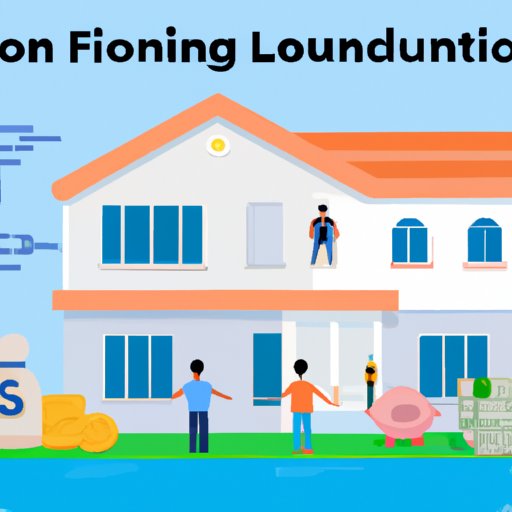
Home extensions are a popular way to increase the size of one’s living space without having to relocate. They can be used to create an extra bedroom, add a conservatory or sunroom, or just generally extend the existing room sizes. However, they can be expensive to build and it is important to consider how to finance this project. Here, we will explore eight different options for financing a home extension.
Definition of Home Extension
A home extension is any additional building work that adds more usable space to a property. This could include adding a new room, extending an existing room, or creating a conservatory or sunroom. Home extensions can also involve building a garage or carport, or putting in a pool. The cost of a home extension depends on the type of work being done, the materials being used, and the complexity of the construction.
Reasons to Finance Home Extension
There are many reasons why you might want to finance a home extension. For example, if you need more space for a growing family, then a home extension may be the perfect solution. A home extension can also add value to your property, making it more attractive to potential buyers. Finally, home extensions can be a great way to add style and personality to your home, as well as creating a comfortable and inviting atmosphere.

Borrow from Family and Friends
One option for financing a home extension is to borrow money from family and friends. This can be a good option for those who don’t have access to other forms of financing, such as a bank loan. Borrowing from family and friends can also be a less expensive option than taking out a loan from a traditional lender.
Pros and Cons
The biggest advantage of borrowing from family and friends is that it can be easier and faster to arrange than a bank loan. Additionally, there may be no interest charged on the loan, which can save you money in the long run. On the other hand, borrowing from family and friends can put strain on relationships and can be difficult to manage if things go wrong.
Steps to Follow
If you decide to borrow from family and friends, it is important to draw up a written agreement outlining the terms of the loan. You should also make sure that both parties understand their obligations and rights under the loan agreement. It is also important to keep records of payments made and received so that you can track any changes in the loan balance.
Home Equity Loan
Another option for financing a home extension is to take out a home equity loan. This is a loan that is secured against the equity in your home. It is a good option for those who need a large amount of money quickly, as it can usually be approved and funded within a few days.
Pros and Cons
The main advantage of a home equity loan is that the interest rate is usually lower than a regular loan. Additionally, the loan can be paid back over a longer period of time, allowing you to spread the costs out over several years. On the other hand, a home equity loan is a secured loan, meaning that if you default on the payments, your home could be at risk of repossession.
Steps to Follow
When taking out a home equity loan, it is important to do your research and compare lenders to find the best deal. You should also read through the loan agreement carefully to ensure that you understand the terms and conditions of the loan. Additionally, make sure that you can afford the monthly repayments before signing the loan agreement.
Refinancing
Refinancing is another option for financing a home extension. This involves taking out a new loan to pay off the existing loan on your home. This can be a good option for those who need a large amount of money but don’t have enough equity in their home to qualify for a home equity loan.
Pros and Cons
The main advantage of refinancing is that it can allow you to access a larger loan amount than you would otherwise be able to get. Additionally, the interest rate on a refinance loan may be lower than your current mortgage rate. On the other hand, refinancing can be a lengthy process and can involve significant fees.
Steps to Follow
When considering refinancing, it is important to shop around and compare lenders to find the best deal. You should also read through the loan agreement carefully to ensure that you understand the terms and conditions of the loan. Additionally, make sure that you can afford the monthly repayments before signing the loan agreement.
Personal Loan
Another option for financing a home extension is to take out a personal loan. This is a loan from a bank or other lender that can be used for any purpose. Personal loans can be unsecured, meaning that there is no collateral required, or secured, meaning that the loan is secured against an asset such as a car or property.
Pros and Cons
The main advantage of a personal loan is that it can be a quick and easy way to access funds. Additionally, personal loans can often be approved and funded within a few days. On the other hand, personal loans can be expensive, with high interest rates and fees.
Steps to Follow
When taking out a personal loan, it is important to compare lenders to find the best deal. You should also read through the loan agreement carefully to ensure that you understand the terms and conditions of the loan. Additionally, make sure that you can afford the monthly repayments before signing the loan agreement.
Government Grants
In some cases, it may be possible to obtain a grant from the government to help finance a home extension. Grants are usually only available for specific projects, such as energy efficiency improvements or disability adaptations. It is important to check with your local government to see what grants are available in your area.
Pros and Cons
The main advantage of government grants is that they can provide free money to help finance a home extension. Additionally, grants can often be applied for online, making them a convenient way to access funds. On the other hand, grants can be difficult to obtain and they are often only available for certain types of projects.
Steps to Follow
When applying for a government grant, it is important to research the various grants that are available in your area. You should also read through the application process carefully to ensure that you understand the requirements. Additionally, make sure that you meet all of the eligibility criteria before submitting your application.
Crowdfunding
Crowdfunding is another option for financing a home extension. This involves setting up a crowdfunding campaign online to raise money for your project. Crowdfunding campaigns can be a great way to access funds quickly and easily, as well as giving people the opportunity to invest in something that they believe in.
Pros and Cons
The main advantage of crowdfunding is that it can be a quick and easy way to access funds. Additionally, crowdfunding can be a fun and creative way to raise money, as well as connecting you with like-minded people. On the other hand, crowdfunding campaigns can be difficult to set up and it can be difficult to reach your goal.
Steps to Follow
When setting up a crowdfunding campaign, it is important to research the various platforms available and choose the one that best meets your needs. You should also create a compelling pitch to attract investors, as well as offering rewards and incentives for those who contribute. Additionally, make sure that you keep backers updated throughout the process to maintain interest and engagement.
Cash Savings
Finally, you may choose to finance a home extension using your own cash savings. This can be a good option for those who have saved up enough money to cover the cost of the project, or those who don’t have access to other forms of financing.
Pros and Cons
The main advantage of using cash savings is that it can be a quick and easy way to access funds. Additionally, there are no interest payments or fees to worry about. On the other hand, using cash savings can mean that you don’t have any emergency funds left in case of unexpected expenses.
Steps to Follow
When using cash savings to finance a home extension, it is important to make sure that you have enough money saved up to cover the cost of the project. You should also create a budget to make sure that you can afford the other costs associated with the project, such as materials, labour and taxes. Additionally, make sure that you keep some emergency funds aside in case of unexpected expenses.
Conclusion
There are many options available for financing a home extension, including borrowing from family and friends, taking out a home equity loan, refinancing, taking out a personal loan, applying for government grants, crowdfunding and using cash savings. It is important to do your research and compare these options to find the best deal for your circumstances.
Summary of Options
The various options for financing a home extension include borrowing from family and friends, taking out a home equity loan, refinancing, taking out a personal loan, applying for government grants, crowdfunding and using cash savings.
Final Considerations
When considering how to finance a home extension, it is important to do your research and compare the various options available. Additionally, make sure that you understand the terms and conditions of any loan agreements before signing and that you can afford the monthly repayments.
(Note: Is this article not meeting your expectations? Do you have knowledge or insights to share? Unlock new opportunities and expand your reach by joining our authors team. Click Registration to join us and share your expertise with our readers.)