
Introduction
Starting a business can be a daunting task, especially when entering an industry that is relatively new. Home staging has become increasingly popular in recent years, as more and more homeowners are looking for ways to maximize their home’s potential when putting it on the market. A home staging business offers the perfect opportunity to make a living by helping others prepare their homes for sale.
But what exactly is home staging? Home staging is the process of preparing a home for sale by making it look its best for potential buyers. This involves decluttering, rearranging furniture, and adding decorative touches to enhance the home’s appeal. The goal of home staging is to showcase the home’s features and create an inviting atmosphere that will draw potential buyers in.
The benefits of home staging are clear: homes that are staged tend to sell faster and for a higher price than those that are not. With this in mind, let’s take a closer look at how to start a successful home staging business.
Identifying Your Target Market
Before you can start a home staging business, you need to identify your target market. Who are the people who are most likely to hire you? Is it luxury homeowners, first-time buyers, or something in between? Knowing your target market will help you tailor your services to meet their needs.
When it comes to home staging, there are certain types of homes that are better suited for the process. Generally speaking, homes that are in good condition and have neutral decor are ideal for staging. Homes with outdated decor or in need of major repairs may not be the best fit for home staging.
Once you’ve identified the types of homes that you want to stage, you need to determine who your target audience is. Are you targeting real estate agents, individual homeowners, or both? Knowing your target audience will help you create marketing materials and choose the right platforms to promote your business.
Sourcing Furniture and Decor
One of the most important aspects of home staging is sourcing furniture and decor. This can be a daunting task, as furniture and decor can be expensive. Fortunately, there are several ways to source furniture and decor without breaking the bank.
Thrift stores, flea markets, and yard sales are all great sources of affordable furniture and decor. You can often find unique pieces that will add character to any space. Additionally, many retailers offer discounts on furniture and decor during certain times of year, so keep an eye out for sales.
When shopping for furniture and decor, it’s important to get the most bang for your buck. Look for items that can be used in multiple spaces and don’t be afraid to think outside the box. For example, a dresser can be used as a side table or a storage solution. Get creative and you’ll be able to stretch your budget further.
Staging Different Room Types
Once you’ve sourced the furniture and decor, it’s time to start staging. Different rooms require different approaches. Here are some tips for staging different room types:
Kitchens
Kitchens are one of the most important rooms in the house. When staging a kitchen, focus on creating a clean and organized space. Clear off countertops, declutter cabinets, and remove any personal items. Add a few decorative touches like a bowl of fruit or a vase of flowers to give the space a warm and inviting feel.
Bathrooms
Bathrooms are another important room in the house, but they can be tricky to stage. Keep the space clutter-free and use neutral colors to create a calming atmosphere. Add a few luxurious touches like plush towels and a scented candle to give the space an upscale feel.
Bedrooms
When staging bedrooms, focus on comfort and relaxation. Choose bedding and linens in soothing colors and incorporate texture with throw pillows and blankets. Keep the space clutter-free and add a few personal touches like framed photos or plants.
Living Rooms
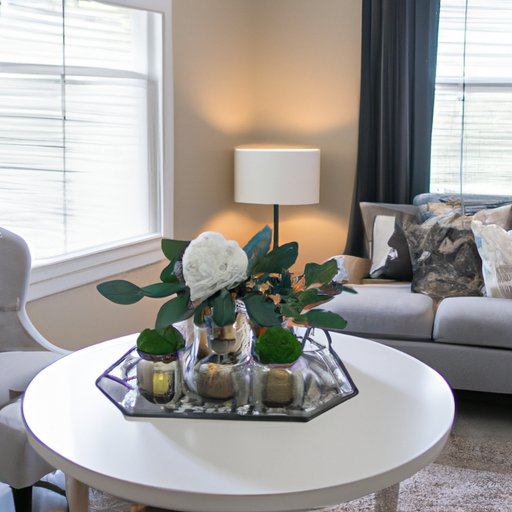
Living rooms are the heart of the home and should be comfortable and inviting. Start by arranging the furniture in a way that encourages conversation. Then add a few decorative touches like throw pillows and blankets to make the space more cozy.
Other Areas
Don’t forget about other areas of the home like the entryway and outdoor spaces. These areas can be tricky to stage, but they can also be a great way to make a good first impression. Use these spaces to showcase the home’s best features and create a welcoming atmosphere.
Professional Photography
Once you’ve staged the home, it’s time to take pictures. Professional photographs can make a huge difference when it comes to selling a home, as they help potential buyers envision themselves living in the space. Investing in professional photographs is well worth the cost, as they can help you stand out from the competition.
When hiring a photographer, be sure to do your research. Look for someone who specializes in real estate photography and ask to see samples of their work. It’s also important to consider the photographer’s turnaround time and their rates.
Conclusion
Starting a home staging business can be a rewarding and profitable endeavor. To ensure success, it’s important to identify your target market, source furniture and decor, and invest in professional photography. With a little bit of hard work and dedication, you can create a thriving business that helps homeowners maximize their home’s potential.
We hope this guide has given you a better understanding of how to start a home staging business. With the right strategy and a commitment to excellence, you can create a successful business that will help homeowners achieve their goals.
(Note: Is this article not meeting your expectations? Do you have knowledge or insights to share? Unlock new opportunities and expand your reach by joining our authors team. Click Registration to join us and share your expertise with our readers.)