
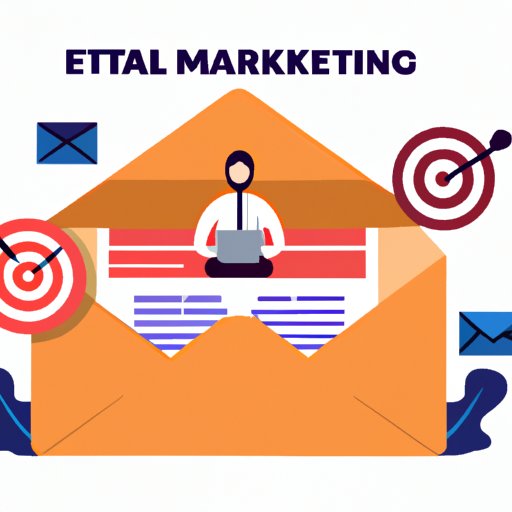
Introduction
Email marketing is a powerful tool for businesses looking to increase customer engagement, build brand awareness, and drive sales. An effective email marketing strategy can help you reach your business goals and grow your business. But to create a successful email marketing campaign, you need to understand the basics of email marketing and have a plan in place.
Definition of Email Marketing
Email marketing refers to the use of emails to promote products or services. It involves sending promotional messages to a list of contacts with the aim of increasing customer engagement, building customer relationships, and driving sales. Email marketing can be used to communicate with customers, inform them about the latest developments in your company, share discounts and offers, and ultimately, increase revenue.

Benefits of Developing an Email Marketing Strategy
Email marketing has proven to be an effective way to engage with customers and drive sales. Here are some of the benefits of developing an email marketing strategy:
- It’s cost-effective: Email marketing is one of the most cost-effective forms of digital marketing, making it an ideal choice for small businesses.
- It’s targeted: You can segment your email list and send targeted messages to specific audiences.
- It’s measurable: With the right tools, you can track the performance of your emails and measure the success of your campaigns.
- It’s personal: You can craft personalized messages that will resonate with your customers.
Identify Your Target Audience
The first step in creating an email marketing strategy is to identify your target audience. Knowing who you’re targeting will help you craft messages that will resonate with them and increase engagement.
Analyze Your Current Customers
The best place to start is by analyzing your current customers. Look at their demographic information, purchase history, and interests. This will give you an idea of who your target audience should be.
Create Buyer Personas
Once you have identified your target audience, you can create buyer personas. A buyer persona is a detailed description of your ideal customer. It includes demographic information, interests, and purchasing behavior. Creating buyer personas will help you craft more effective emails and target the right people.
Establish Goals for Your Email Marketing Strategy
Once you’ve identified your target audience, it’s time to set goals for your email marketing strategy. Having clear objectives will help you measure the success of your campaigns and make adjustments as needed.
Define Your Objectives
Before you start creating your emails, you need to define your objectives. What do you want to achieve with your email campaigns? Do you want to increase website traffic, generate leads, or promote new products and services? Once you have identified your objectives, you can create emails that are tailored towards achieving those goals.
Set Reasonable Goals
When setting goals, it’s important to be realistic. Don’t set goals that are too ambitious or unattainable. Set achievable goals that you can work towards. This will help you stay motivated and focused on your email campaigns.

Create Engaging and Relevant Content
The key to a successful email marketing campaign is creating engaging and relevant content. If your emails don’t capture the attention of your readers, they won’t be effective. Here are some tips for crafting effective emails:
Research Your Audience
Before you start writing your emails, take time to research your audience. Find out what their needs and interests are. This will help you create content that is tailored specifically to them.
Craft Relevant Messages
Your emails should be relevant to your readers. Make sure they contain useful information that is related to your products or services. Avoid generic messages that don’t provide any value to your readers.
Include Visuals and Videos
Including visuals and videos in your emails can help increase engagement. Visuals can help make your emails more interesting and compelling. Videos are also a great way to grab the attention of your readers and keep them engaged.
Utilize Automation Tools
Using automation tools can help you save time and effort when it comes to sending emails. There are a variety of automation tools available, from welcome messages to segmentation strategies. Here are some tips for using automation tools:
Automate Welcome Messages
Welcome messages are an essential part of any email marketing campaign. Automating these messages can help make sure that new subscribers get a personalized welcome message as soon as they sign up.
Use Segmentation Strategies
Segmentation strategies allow you to send targeted messages to different segments of your audience. This can help you increase engagement and ensure that your emails are reaching the right people.
Track Performance with Analytics
Tracking the performance of your emails is essential for understanding what works and what doesn’t. Utilizing analytics tools can help you monitor open rates, click-through rates, and other key metrics.
Measure, Analyze, and Optimize Your Results
Once you’ve launched your email campaigns, it’s important to measure, analyze, and optimize your results. This will help you understand how your emails are performing and make adjustments as needed.
Monitor Open Rates
Monitoring open rates will help you understand how many people are opening your emails. If your open rates are low, you may need to make changes to your subject lines or content.
Analyze Email Performance
Analyzing the performance of your emails can help you understand which emails are working and which ones aren’t. You can use this data to make adjustments to your emails and improve their effectiveness.
Make Adjustments as Needed
Making adjustments to your emails is essential for improving their performance. Try changing the subject lines, content, or visuals to see if it makes a difference in your results.
Conclusion
An effective email marketing strategy can help you reach your business goals and grow your business. To create a successful email marketing campaign, you need to identify your target audience, establish goals, create engaging and relevant content, utilize automation tools, and measure and optimize your results. With a well-crafted email marketing strategy, you can increase customer engagement, build brand awareness, and drive sales.
(Note: Is this article not meeting your expectations? Do you have knowledge or insights to share? Unlock new opportunities and expand your reach by joining our authors team. Click Registration to join us and share your expertise with our readers.)