
Introduction
Starting a pet business can be a challenging yet rewarding endeavor. With the right knowledge and resources, anyone can have success in this industry. To get started, it is important to understand what a pet business entails and the steps needed to create one.

Definition of a Pet Business
A pet business is any type of business that specializes in providing products and services related to animals, such as dogs, cats, birds, and reptiles. Examples of pet businesses include groomers, pet sitters, trainers, pet stores, and veterinary clinics.
Overview of the Problem
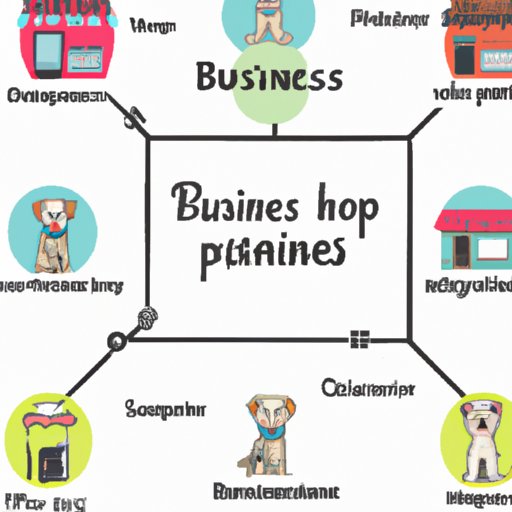
Starting a pet business requires careful planning and consideration. There are several factors to consider, such as researching the pet industry, developing a business plan, securing financing, choosing a location, and selecting a product or service offering. This guide will provide step-by-step instructions on how to start a successful pet business.
Research the Pet Industry
The first step in starting a pet business is to research the pet industry. This includes understanding the competitive landscape, analyzing trends and regulations, and examining customer preferences. By understanding the current state of the pet industry, you’ll be able to make informed decisions about your business.
Understanding the Competitive Landscape
It is important to understand the competitive landscape before launching your pet business. Researching existing pet businesses in your area will help you identify potential competitors and areas of opportunity. Consider the types of products and services they offer, their pricing structures, and their target markets.
Analyzing Trends and Regulations
In addition to understanding the competitive landscape, it is also important to analyze trends and regulations in the pet industry. This includes staying up to date on laws and regulations affecting pet businesses, as well as trends in the industry such as new products and services. This will help you stay ahead of the competition and ensure your business is compliant with all applicable laws.
Develop a Business Plan
Once you’ve done your research, the next step is to develop a business plan. This plan should outline the structure of your pet business, your marketing strategy, and financial projections. A well-crafted business plan will provide a roadmap for success and help you secure financing and other resources.
Structuring Your Pet Business
When structuring your pet business, consider factors such as legal structure, management team, and operational processes. Depending on the size and scope of your business, you may need to register with the local government and obtain licenses and permits. Additionally, if you plan to hire employees, you’ll need to create a hiring process and set up payroll.
Creating a Marketing Strategy
Creating a comprehensive marketing strategy is essential for any business. Consider which marketing tactics will work best for your pet business, such as online advertising, print ads, and word-of-mouth marketing. Additionally, create a website or social media pages to help customers find and learn more about your business.
Estimating Financial Projections
Your business plan should also include estimated financial projections. This includes estimating start-up costs, inventory costs, and other expenses. Additionally, you’ll need to project future income and profits to determine whether or not your business is financially viable.
Secure Financing
Securing financing is an important step in starting a pet business. Calculate your start-up costs and decide how much money you’ll need to cover inventory, equipment, rent, and other expenses. You may be able to obtain financing from banks, private investors, or even crowdfunding campaigns.
Calculating Start-up Costs
Start-up costs include everything from purchasing supplies and equipment to securing a location and obtaining licenses. Make sure to factor in all possible costs when calculating your start-up costs to ensure you have enough capital to launch your business.
Obtaining Capital for Inventory
Inventory is one of the most important investments for a pet business. You’ll need to purchase food, toys, and other supplies to keep your business running. Consider obtaining capital from banks, private investors, or crowdfunding campaigns to cover your inventory costs.
Covering Other Expenses
In addition to start-up costs and inventory, there are other expenses to consider when starting a pet business. These include rent, utilities, insurance, and taxes. Make sure to factor in these costs when creating your business plan and budget.
Choose a Location
Choosing the right location is essential for any pet business. When selecting a location, consider factors such as zoning laws, accessibility, customer base, and competition. Make sure to examine the area thoroughly before deciding on a location.
Evaluating Zoning Laws
Before choosing a location, it is important to research local zoning laws. Make sure the area allows for a pet business and that you have all the necessary permits and licenses. Additionally, check with the local health department to ensure your business meets all safety standards.
Assessing Accessibility
When selecting a location, consider how accessible it is for customers. Look for areas with ample parking, public transportation options, and easy access to major roads. Additionally, make sure the area has sufficient foot traffic to draw customers to your business.
Examining Customer Base
When selecting a location, it is important to assess the local customer base. Research the demographics of the area to determine the type of customers you can expect. Additionally, consider the proximity of other pet businesses to ensure you are not competing for the same customers.
Analyzing Competition
Finally, it is important to analyze the competition in the area. Research the types of pet businesses in the area and the services they offer. This will help you position your business to stand out from the competition.

Select a Product or Service Offering
Once you’ve chosen a location, the next step is to select a product or service offering. Consider the types of pet services you want to provide and the products you want to sell. Examples of pet services include grooming, boarding, training, daycare, retail, and more.
Deciding What Type of Pet Services to Offer
When deciding what type of pet services to offer, consider the needs of your customers. Research the types of services offered in your area and the pricing structures of your competitors. Additionally, consider the resources and staff needed to offer each service.
Establish Relationships with Suppliers
Once you’ve decided on a product or service offering, it is time to establish relationships with suppliers. Find reliable sources for the products and services you need. Additionally, consider forming partnerships with other pet businesses to provide additional services.
Finding Reliable Sources
When finding suppliers, it is important to research their reputation and reliability. Look for suppliers who offer quality products and services at competitive prices. Additionally, look for suppliers who are willing to partner with you to provide the best experience for your customers.
Providing Products, Supplies, and Services
Once you’ve established relationships with suppliers, it is time to start providing products, supplies, and services to your customers. Make sure to maintain consistent quality and customer service to ensure customer satisfaction and loyalty.
Conclusion
Starting a pet business requires careful planning and consideration. Research the pet industry, develop a business plan, secure financing, choose a location, and select a product or service offering. Establish relationships with reliable suppliers, and provide quality products and services to your customers. With the right knowledge and resources, anyone can have success in this industry.
(Note: Is this article not meeting your expectations? Do you have knowledge or insights to share? Unlock new opportunities and expand your reach by joining our authors team. Click Registration to join us and share your expertise with our readers.)