
Introduction
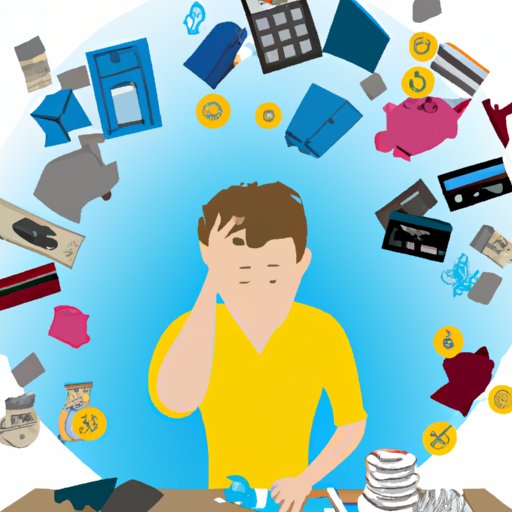
Financial struggles can take a toll on our lives, leading to stress and anxiety. But with the right steps, you can get your life back on track financially and experience greater peace of mind. This article will provide a step-by-step guide to getting your finances in order, from creating a budget to setting up automated payments.
Create a Budget
Creating a budget is the first step to getting your finances back on track. A budget is simply a plan for how you will use your income each month. You’ll want to make sure you cover all your expenses, including housing, food, transportation, and other necessities. You’ll also want to set aside money for entertainment, vacations, and other luxuries. Once you have a budget in place, you can begin to reduce spending and increase savings.
There are several steps to creating a budget. First, you’ll need to track your current spending. Look at your bank statements and credit card bills to see where your money is going each month. Then, determine what expenses are necessary and which ones could be reduced or eliminated. Finally, create a budget that allocates your income in a way that meets your needs and allows you to save.
Once you have your budget in place, there are a few tips you can follow to reduce spending and increase savings. For starters, try to limit eating out and shopping trips. You can also look for ways to save money on utilities, groceries, and other bills. And finally, consider setting up an automatic transfer from your checking account to a savings account each month.
Track Your Spending
Tracking your spending is another important step in getting your finances back on track. Keeping tabs on every dollar you spend can help you identify areas of overspending and make adjustments to your budget accordingly. There are several tools available to help you track your spending, from apps to spreadsheets.
When tracking your spending, it’s important to look beyond just the numbers. Ask yourself why you’re spending money in certain areas and if it’s really necessary. You may find that you’re spending money on things that don’t bring you joy or add value to your life. By taking a closer look at your spending, you can make more informed decisions about how to use your money.
Reduce Debt
High levels of debt can weigh heavily on our finances and mental health. That’s why it’s important to focus on reducing debt when getting your finances back on track. Start by looking at the interest rates on your various debts. You’ll want to prioritize paying off high-interest debt first, such as credit cards, since this type of debt can quickly spiral out of control. You may also want to consider consolidating your debt into one loan with a lower interest rate.
Another strategy for reducing debt is to make more than the minimum payment each month. This will help you pay off your debt faster and save you money in the long run. You may also want to consider cutting back on unnecessary expenses so you can put more money toward your debt. Lastly, if you’re feeling overwhelmed by your debt, consider talking to a financial advisor who can help you come up with a plan for reducing it.
Increase Savings
Having a savings account is essential for getting your finances back on track. Setting aside even a small amount of money each month can help you build an emergency fund and prepare for unexpected expenses. If possible, aim to save 10% of your income each month. This may seem like a lot, but it can add up quickly and give you a cushion in case of emergencies.
There are several benefits to having an emergency fund. Not only will it give you peace of mind knowing that you have a safety net if something unexpected happens, but it can also help you avoid turning to high-interest loans or credit cards when faced with an emergency. Having an emergency fund can also help you reach your long-term financial goals, such as buying a house or retiring early.
Automate Payments
Automating your payments is another easy way to get your finances back on track. When you automate your payments, you no longer have to worry about missing a due date or incurring late fees and interest charges. You can set up automatic payments for recurring bills, such as rent, utilities, and credit card payments. This will ensure that your bills are paid on time and you don’t have to worry about them.
Automating your payments can also help you stay on top of your budget. When your bills are paid automatically, you can easily keep track of how much money you have left to spend each month. This can help you avoid overspending and stay within your budget. Additionally, automating payments can help you avoid costly late fees and interest charges.
Conclusion
Getting your finances back on track doesn’t have to be overwhelming. By following these steps — creating a budget, tracking your spending, reducing debt, increasing savings, and automating payments — you can take control of your finances and improve your overall quality of life. So take action today and start getting your life back on track financially.
(Note: Is this article not meeting your expectations? Do you have knowledge or insights to share? Unlock new opportunities and expand your reach by joining our authors team. Click Registration to join us and share your expertise with our readers.)